How to Fix a Skill Game Setup That’s Underperforming
Admin
June 30, 2026
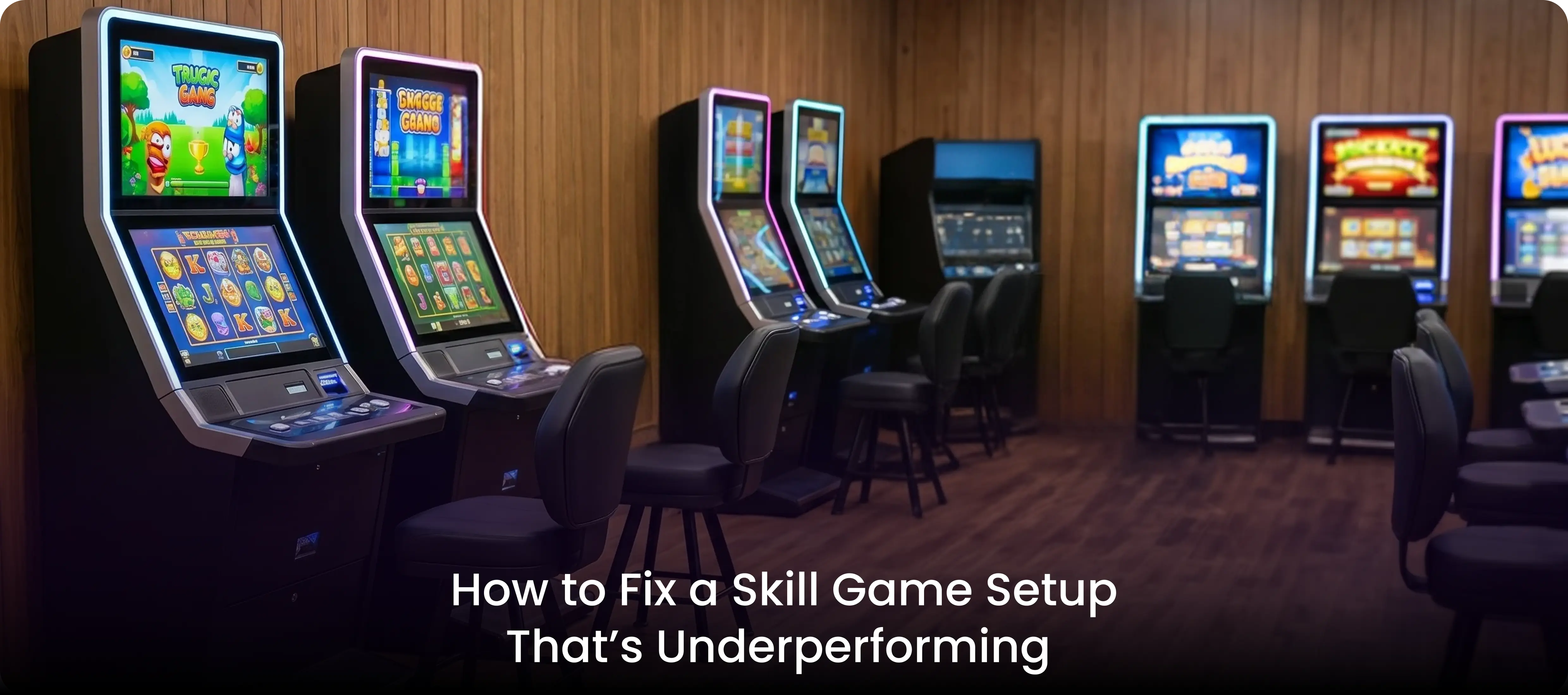
Think about a quiet Tuesday afternoon at your location. The neon sign glows in the window. The floor is freshly swept. Your regular customers sit at the counter. Three premium machine cabinets stand against the wall. The green lights on the bill validators flash. Yet, nobody is playing.
It is easy to assume your regulars simply do not care about the games anymore. Most of the time, that guess is wrong. A silent friction issue or a subtle seating comfort problem is usually driving them away before they even take a seat. Catching these problems quickly saves your floor space from becoming a total revenue leak. The thing is, you do not need a massive renovation budget to turn this around. You just need to know which operational levers to pull.
Pressed for time? Here’s the gist:
- Immediate Diagnostics: Waiting for your monthly statement creates a major revenue leak when minor weekly floor layout adjustments can fix a quiet machine setup instantly.
- The Sightline Test: If your counter team does not have a clear view or if temporary product displays block your customer flow, players will miss the gaming machines entirely.
- Environmental Friction: Harsh afternoon window glare and loud ambient noise create physical discomfort that ruins player retention within minutes.
- Smart Spacing Choices: Tight aisle layout spacing makes players feel crowded by traffic flow, which cuts their dwell time short and leaves the machine setup dark.
The Silent Revenue Leak on Your Floor
Why Good Foot Traffic Fails to Play
You might see hundreds of people enter your store or bar daily, yet the gaming setup remains dead. This mismatch points directly to a flaw in your store layout rather than a lack of customer interest. If your venue layout forces people to bypass the games completely, your floor flow does not matter.
When you dedicate premium floor space to an entertainment zone, you expect active player behavior. Regular customers want to play, but they scare easily. If they feel exposed or cramped, they walk away. That leaves your investment sitting dark.
Shifting From Macro Blame to Micro Adjustments
Independent Texas venue owners often assume a quiet machine means the market is soft. They start blaming the neighborhood demographics or the changing seasons. The truth is usually found in your day-to-day operations.
You do not need a construction crew to fix this. You can adjust your floor space during a normal shift change. Moving a cabinet a few inches or shifting a promotional rack can completely change how people look at the room. It is about removing the tiny hurdles that stop a casual customer from sitting down.
The Three-Second Sightline Test
Auditing the Register View and Entrance Lines
If a customer cannot see a game within the first three seconds of walking into your space, the machine setup is practically invisible. Your retail layout must guide the eye naturally toward the entertainment zone.
Stand behind your main counter right where your cash register sits. Take a hard look at the room. Do you have a clear view of the machine cabinets? If you cannot see them, your staff cannot monitor the area or analyze traffic patterns.
Next, take a walk from the front door. Look for anything that cuts off the view. A seasonal product stack or a beverage delivery box can easily block the machines. You must clear display racks that clip the sightlines.
Removing Direct Path Bottlenecks
Look at how your general customer flow moves from the entrance to your primary service area. A corner setup can seem smart because it uses dead space, but it fails if it creates a tight traffic bottleneck.
If players feel like they are blocking a main walkway or a checkout flow, they will not stay. Your venue layout should invite casual exploration without forcing players to squeeze past an aisle layout bottleneck. Passing traffic creates a sense of vulnerability. Players need to feel secure while they play skill games texas.
Neutralizing Environmental Friction In Your Venue
Shading Texas Window Glare and Screen Reflections
Harsh sunlight is a massive problem for high-resolution monitors. If your machine placement sits opposite a large plate glass window, afternoon window glare issues can render the screens unreadable.
A player will not struggle through heavy lighting glare reflections just to finish a game. If you notice your machines are busy at night but completely empty during sunny afternoons, you have an ambient lighting flaw.
You can fix this without buying expensive window treatments. Try angling the cabinets slightly inward to create a more defined micro entertainment pocket. This small shift angles the glass away from the direct sunlight. It protects the visibility of your led touch monitors.
Managing Ambient Noise Levels and Structural Vibrations
Think about the physical sounds surrounding your equipment spacing. Placing skill game setups right next to a roaring ice dispenser or a rattling commercial cooler creates major ambient noise.
Players want enough focus to enjoy the skill-based gaming machines. If the immediate surroundings feel chaotic or deafening, customers experience floor friction and will leave after one single round.
Move your machines away from loud compressors and ice machines. If you cannot move them, use structural barriers like heavy wooden shelving to block the sound waves. Lower ambient noise levels make the space feel deliberate and relaxing.
Turning Ergonomics Into Dwell Time
Correcting Bar Stool Spacing and Seat Heights
Player retention depends entirely on how long a person feels comfortable staying in one physical spot. If your seating layout is flawed, your dwell time numbers will drop to zero.
Take a seat at one of your own machine cabinets during a quiet hour. Is the stool too tall for the console? Does the seat lack proper back support? Cheap, wobbly, or mismatched chairs tell your customers that the area is an afterthought.
To increase dwell time, you must focus on player retention tactics. Proper bar stool spacing is critical. Give each player enough elbow room so they do not feel packed together like sardines. High-quality seating comfort is the easiest way to turn a performance drop into a steady win.
Creating Subtle Privacy Without Hiding the Cabinets
No one likes having their back bumped by passing customers while trying to relax. If your aisle layout leaves less than three feet of clearance behind a player's stool, you have a spacing flaw.
You want to aim for a balance where the setup is highly visible from the floor but offers subtle rear privacy for the player. Using a small divider or choosing an alcove layout provides security without hiding the machines from view.
When players feel protected from the rush of the crowd, they relax. A relaxed customer stays twice as long. That simple layout adjustment helps protect cash flow during slow weeknights.
The Shift Change Checklist for Operators
Standardizing Daily Cabinet Maintenance
Dirty machines do not attract players. Sticky buttons and smudged screens ruin the touch screen response. If a player has to tap a button three times to get a reaction, they will quit.
Make machine cleaning a mandatory part of your shift change checklist. Wipe down the glass screens with microfiber cloths. Clean the console panels to remove grease and dust.
A pristine machine signals to the customer that the equipment is well-maintained and ready for action. It keeps the gameplay smooth and professional.
Training Staff to Observe Player Hesitation
Your floor staff are your eyes and ears. They need to watch for early warnings, like players walking up to the machine cabinet but turning away without playing.
This behavior proves that the intent to play exists, but physical friction points are blocking the action. Train your counter team to notice these moments.
If a staff member sees a customer squinting at a screen because of window glare, they can adjust the window shades immediately. Empowering your team to make real-time changes prevents minor issues from turning into major daily losses.
What the Right Partnership Actually Changes
Managing a profitable venue footprint is much easier when you do not have to guess. You need straight-forward solutions that fit your day-to-day operational realities. That is where a professional relationship makes all the difference.
The right partner does not just drop machines on your floor and walk away. They provide professional layout engineering to ensure your machines are placed for maximum visibility and comfort. They help you analyze your specific terminal audit notes and machine tracking details to see what actually works in your space.
With a revenue-sharing model, your goals are completely aligned. The operator only succeeds when your business succeeds. You get premium hardware updates, proactive field service, and continuous technical support without any upfront capital risk. It turns your entertainment zone into a hands-off, high-margin asset that quietly runs itself.
Frequently Asked Questions
1. How long should I wait before changing an underperforming machine setup?
In most cases, you should monitor the placement for fourteen days before making a move. Two weeks gives you enough time to see past normal daily traffic shifts while letting you spot real layout flaws early.
2. Can moving a machine cabinet just a few feet really affect my revenue?
Yes. Shifting a cabinet even three feet can completely clear up a bad window glare issue or move a player out of a high-traffic bottleneck, which directly extends their playing time.
3. Should my skill game setup be completely hidden for player privacy?
No. Complete isolation ruins your organic visibility and makes it hard for your staff to monitor. You want a clear retail floor plan where the cabinets are easy to see but the player's back is protected from the main foot traffic.
4. What is the most common lighting mistake with skill games in Texas?
The biggest error is placing machine screens directly opposite unshaded western-facing windows, which allows the harsh afternoon sun to blind the player and kill daytime activity.
5. How do I know if my game selection or my layout is the actual problem?
If customers look at the machines with interest but walk away without sitting down, the issue is your physical layout or environment. If they sit down but leave after thirty seconds, your game mix might need a refresh.
More Into
Announcements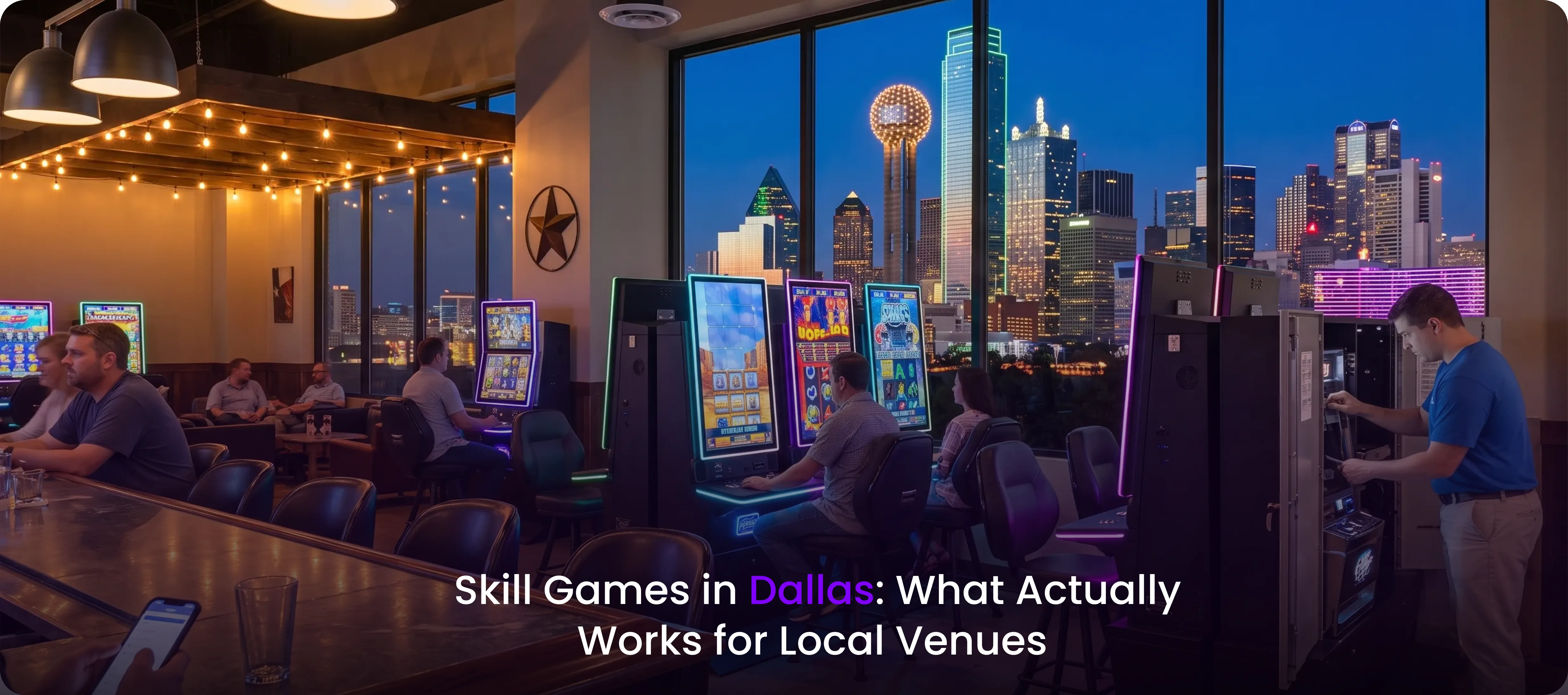
Skill Games in Dallas: What Actually Works for Local Venues
Most operators treat this city the same way they treat every other Texas market.
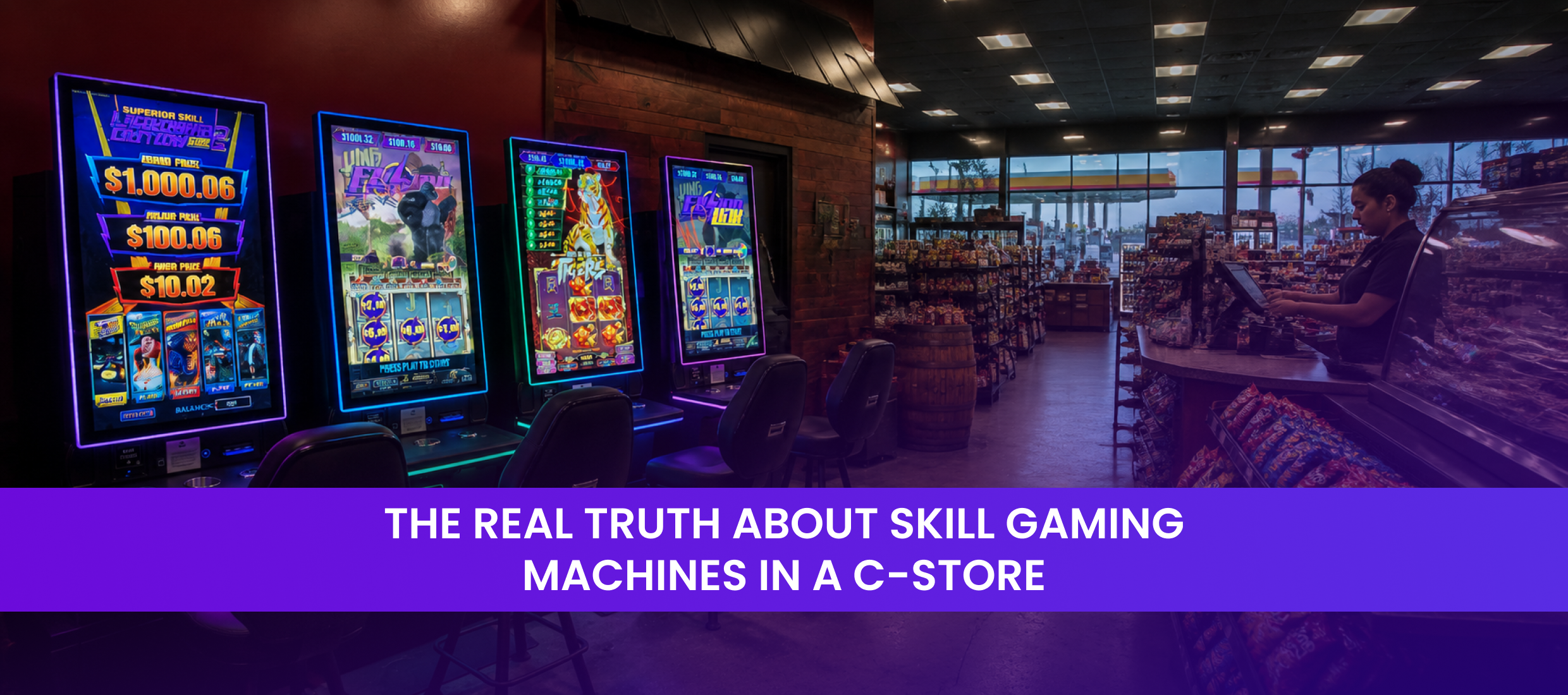
The Real Truth About Skill Gaming Machines in a C-Store
Do skill gaming machines for convenience stores really run without staff? A practical reality check.
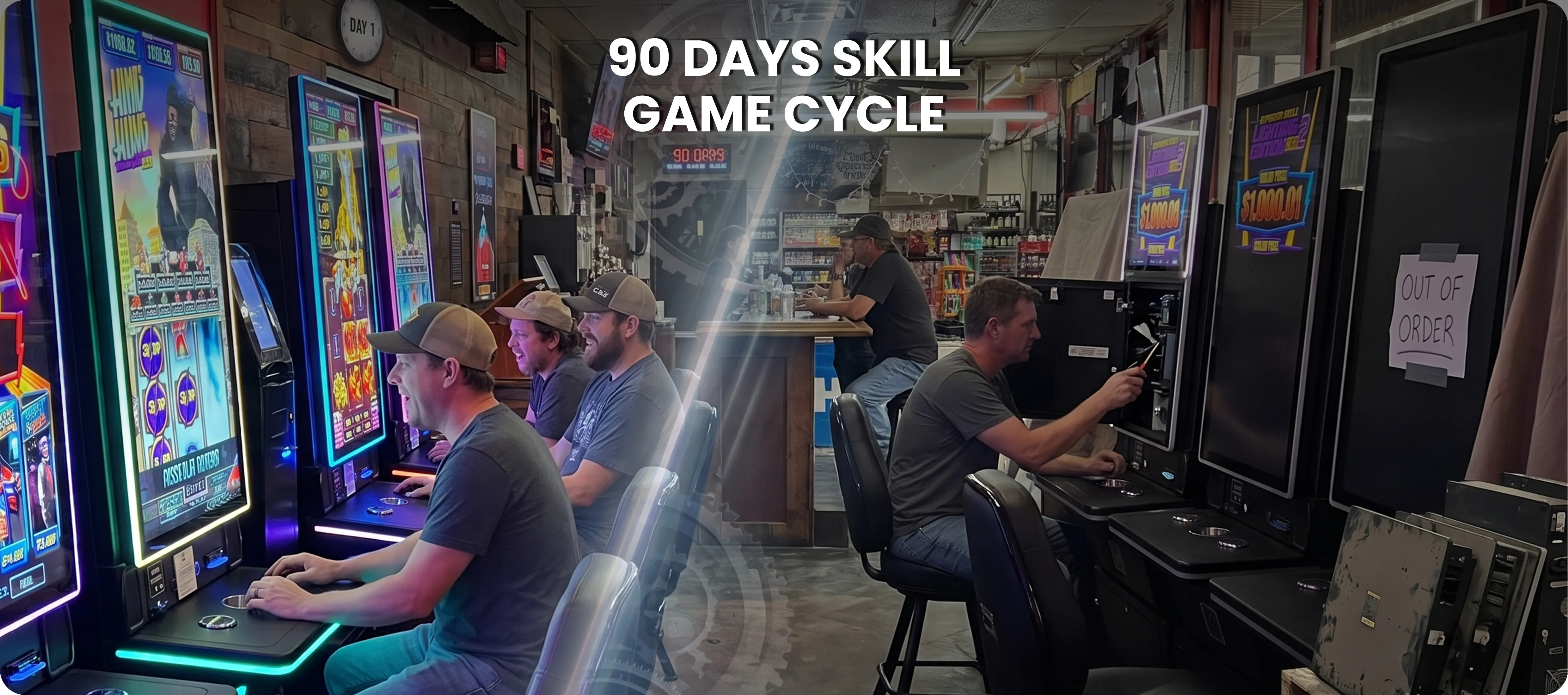
Skill Gaming Machines: What 90 Days Actually Looks Like
This post covers what skill gaming machines should be doing for your venue by the 90-day mark.
Skill Gaming Machines for Bars, C-Stores, and Truck Stops
Understanding what skill gaming machines actually look like in your specific venue type is useful
How to Pressure-Test a Skill Game Opportunity Before Saying Yes
If you sign contract based purely on an aggressive revenue projection, you are inviting operational.
How to Identify Underperforming Skill Game Setups Early
Catching these problems quickly saves your floor space from becoming a total revenue leak.
Revenue Share vs Buying Machines: Scaling Your Texas Venue
Before you sink your hard-earned capital into hardware, you need to understand what most owners miss
4 Signs Your Venue is Ready for Skill Based Gaming Machines
Adding skill-based gaming machines is more like opening a new department.
What Ongoing Support Should Look Like from Skill Game Vendors
You need a partner who stays in the game with you. True support means your entertainment runs smooth
The First 30 Days with Skill Gaming Machines: What Really Happens
Are you wondering what actually changes in your business once you decide to add skill gaming machine
What Makes One Skill Game Location Outperform Another in Texas
Outperformance is the result of a deliberate strategy rooted in floor-plan psychology.
Upgrade Your Bar: The Power of the 43” LED Touch Monitor
The visual centerpiece of any modern skill gaming machine is the display.

The Revenue Sharing Model: How We Grow Only When You Grow
Our revenue-sharing agreement is designed to eliminate the financial barriers

Skill Games Texas: Why Hardware Engineering Matters for ROI
In the world of Texas hospitality, your floor plan is a silent salesman, but is it whispering or sho
The 11 PM Crisis: How 24/7 Support Saves Your Saturday
Difference between record-breaking weekend and a missed chance comes down to operational continuity.

Thanksgiving Eve: Your Bar's Most Profitable Night
The bar night before Thanksgiving often feels like a force of nature.
Our Story: Why We Are the #1 Skill Game Vendor in Texas
Success stories often begin with a simple vision, but they're built through unwavering commitment.

Gaming Equipment Basics: Essential Terms for Texas Owners
This focused glossary covers the 15 most essential gaming terms you'll encounter as a Texas business

Who Plays Skill Games? A Texas Skill Game Player Profile
The question is, do you know who your members are? These aren't one-dimensional players.
5 Questions to Ask Skill Game Vendors in Texas Before You Choose
Choosing a partner for your skill games is one of the most critical business decisions you'll make.
The Business Owner’s Field Manual to Texas Skill Games
You have the foot traffic, but how do you encourage customers to stay longer and spend more?

Beat the TX Small Business Squeeze with High-Margin Skill Games
What if the most profitable 15 square feet in your business wasn't your bar top or main cooler?

What the Fannin Ruling Means for Texas Skill Gaming
In April 2025, the Sixth Court of Appeals in Texarkana delivered a powerful message

How Micro-Entertainment is Winning in a Post-COVID Economy
If the post-COVID era has changed anything, it's this: guests now favor places that feel thoughtful

How to Choose the Right Skill Game Vendor in Texas
Selecting the Right vendor can define whether your setup thrives or falters before it starts.
Why Texans Play Skill Games and What It Means for You
For businesses, understanding why people play is essential to creating an environment
Why Skill Based Gaming in Texas Is Changing Hospitality
Guests are looking for more than background noise or a TV on the wall. They want something to do.
Owner’s Guide to Buying Skill-Based Gaming Machines in Texas
Think buying more machines equals more profits? Not quite.
How Age Impacts Player Behavior in Skill-Based Games
The landscape of skill games in Texas has undergone a dramatic transformation. Read to know more.
Skill-Based Gaming in Texas: A Rising Opportunity for Businesses
Gaming landscape is evolving, and skill-based gaming is leading, especially in states like Texas.

Skill Games vs. Slot Machines: A Comprehensive Comparison
Among the most popular are skill games & slot machines. But how do these two types of games differ?
Role of Video Gaming Terminal Operators and Why They Matter
This lucrative industry is driven by machines and often-overlooked work of VGT operators.
Skill-Based Gaming: Growing Trend in Gaming
Skill-based gaming is creating a new wave of interactive entertainment.
Ready to partner with us?

Contact
(+1) 855-484-1400
contact@peakentertainment.com
sales@peakentertainment.com
Follow us


Peak Entertainment © All Rights Reserved • Terms of Use • Privacy Policy