
Service vs. Hospitality: The Secret to Customer Loyalty
Admin
October 07, 2025
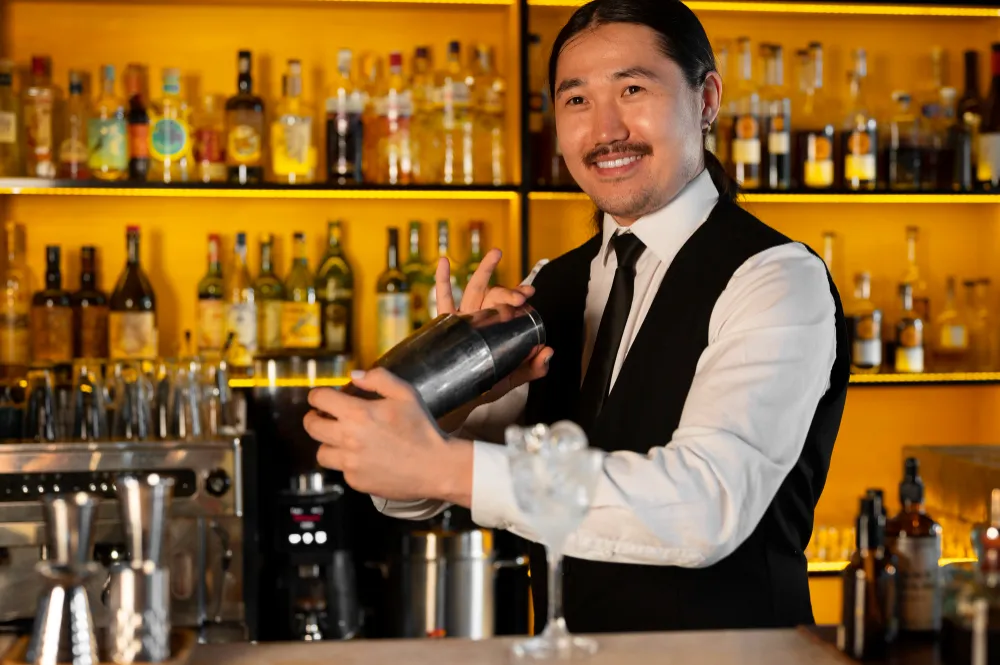
Is your business a vending machine or a living room? A vending machine provides perfect service: you put money in, and a product comes out. It’s efficient, predictable, and entirely impersonal. No one feels a connection to it. A living room, however, is where people feel welcome, comfortable, and want to stay. For many Texas business owners, understanding this distinction is the key to unlocking sustainable growth. The real difference between service and hospitality lies not in what you do, but in how you make people feel.
While excellent service is the baseline for any successful operation, it’s genuine hospitality that turns a transactional customer into a loyal regular. Let’s break down why this shift in mindset is so critical.
TL;DR: Pressed for time? Here’s the gist:
- Service is the transaction; hospitality is the connection. Service is what you do (pour a drink, scan an item), while hospitality is how you make the customer feel during the process.
- Good service is forgettable. Customers expect their orders to be correct. True hospitality is what they remember and tell their friends about.
- Hospitality builds loyalty. While service fulfills a need, hospitality creates a sense of belonging that turns a first-time visitor into a lifelong regular.
- This shift doesn't have to cost a dime. The most powerful hospitality tactics, like a genuine smile or remembering a name, are completely free.
Why "Good Service" Isn't Building Your Clientele
In any business, "service" refers to the technical delivery of a product. It's the process, the mechanics, the transaction.
- Pouring a drink correctly.
- Getting a food order to the right table.
- Quickly processing a payment at the register.
These are all crucial elements of service excellence. The problem is, customers expect this. Good service is the price of entry, and when it’s done right, it’s often invisible. It doesn't create memorable moments or an emotional connection with customers. You can provide flawless service without making a single person feel genuinely valued. This is why businesses with technically perfect service can still struggle with building a loyal customer base.
The High Cost of a Revolving Door
When a business relies solely on service, it fails to build lasting relationships. This creates a revolving door of one-time visitors, which comes with a high cost. Without a core group of regulars, you face:
- Unpredictable Revenue: Your income fluctuates wildly because you have no reliable, returning customer base.
- Constant Marketing Pressure: You're forced to spend time and money constantly trying to attract new people, which is far more expensive than retaining existing ones.
- Lack of Community: Your establishment lacks a soul. It's just a place of transactions, not a community hub or a local favorite.
This is the core challenge for many Texas small businesses. You’re working hard, but you’re not building the foundation for long-term, sustainable success. The solution isn’t to work harder at the transaction; it’s to deepen the connection.
The Solution: Embracing a Hospitality-First Culture
Hospitality is the secret ingredient that transforms your business. If service is the "what," hospitality is the "how." It's the warmth, the care, and the genuine effort that make a person feel seen and appreciated. It's a culture of care that anticipates needs, solves customer problems, and creates positive, lasting memories.
Embracing this mindset is the most effective of all customer retention strategies for small businesses. Here’s how to put it into practice.
It Starts with Your People
A hospitality-first culture can't be a mandate from the top; it has to be lived by everyone, from the front and back of house.
- Hire for Attitude: You can teach processes, but you can't teach genuine warmth. Attract top talent by looking for empathy and kindness first. A great place to work, where people feel valued, is the foundation for great guest experiences.
- Empower Your Employees: Give your team the autonomy to solve customer problems on the spot. When they don’t have to ask a manager for permission to make something right, they can create a frictionless experience for the guest.
- Invest in Your People: Focus on continuous training and development, especially soft skills training. Practice active listening, reading body language, and communication skill building. When you invest in your team, they invest in your customers.
Master the Little Things
The heart of hospitality is often found in small, seemingly minor details. These little things matter because they show you’re paying attention.
- The Welcome and Farewell: A warm greeting and a fond farewell are the bookends of a great experience. Make eye contact, smile, and offer a sincere "hello" and "goodbye." Every interaction matters.
- Anticipate Needs: What is anticipatory service? It’s refilling a drink before it's empty or grabbing extra napkins for a messy dish before being asked. It shows you're present and thinking one step ahead of your guests.
- Attention to Detail: Consistency is key. Is the music volume right? Is the lighting comfortable? Is every corner of your establishment clean? These details combine to create a mood and show you care about the customer's entire experience.
Build a Memorable Environment
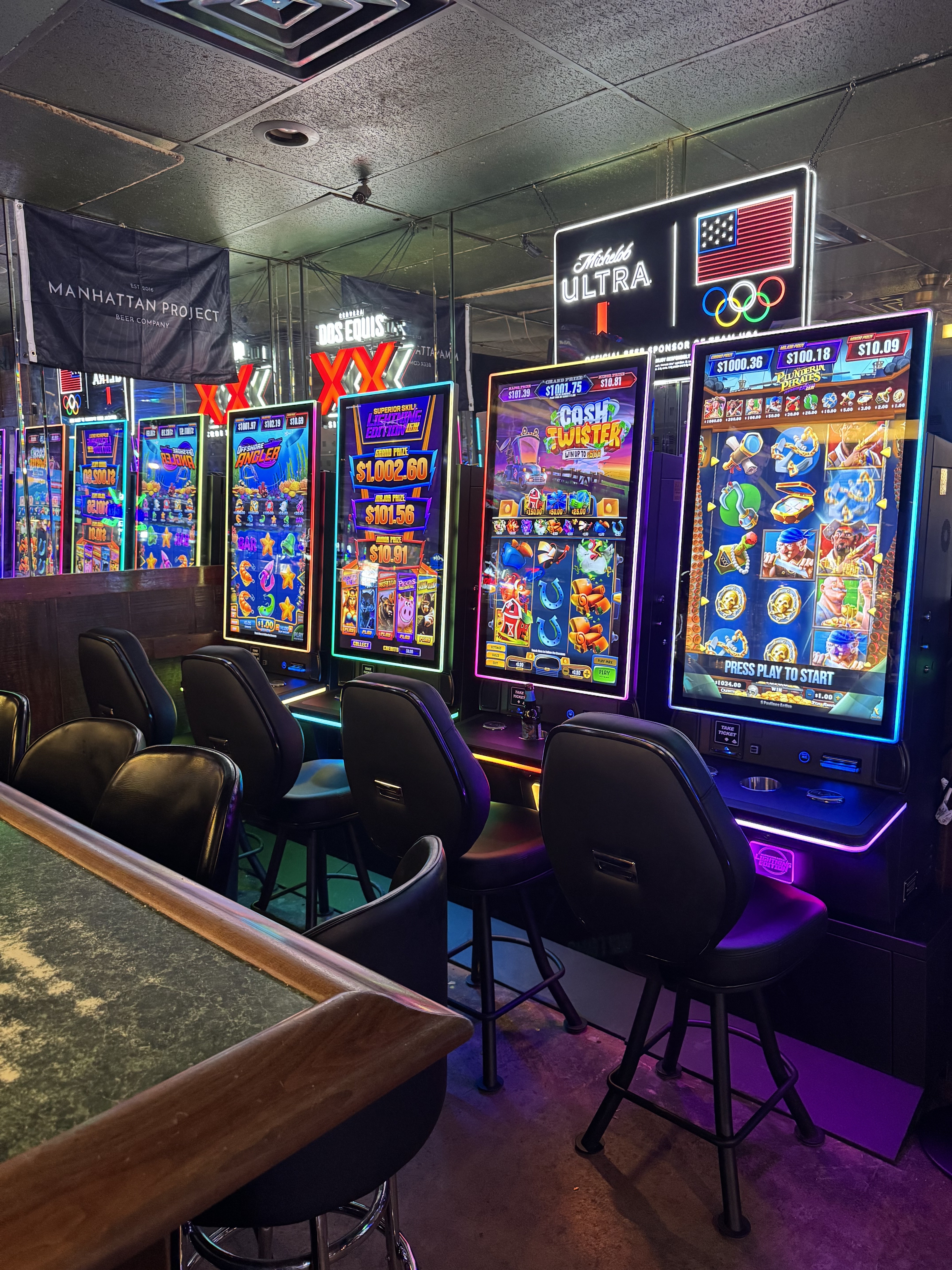
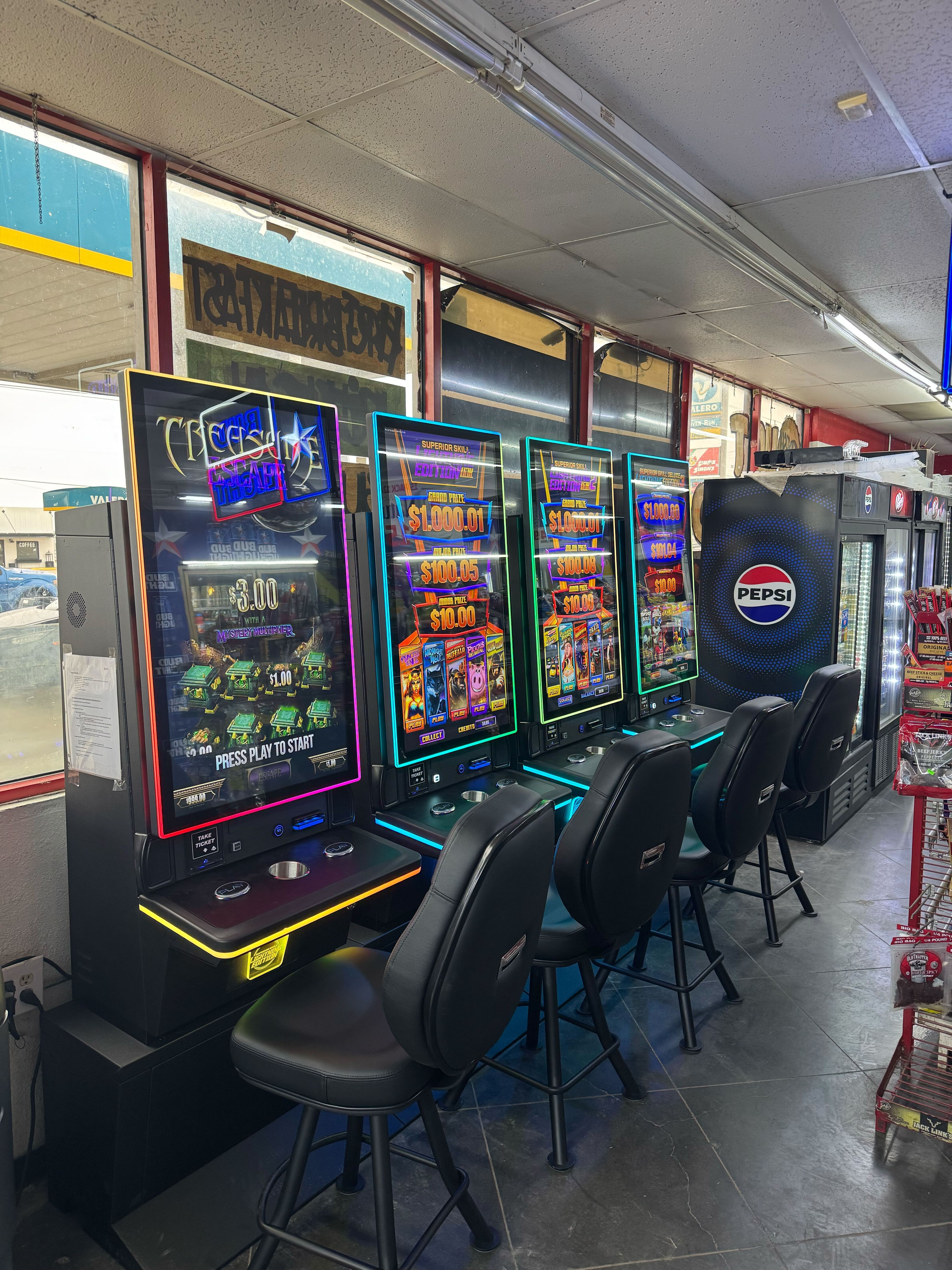
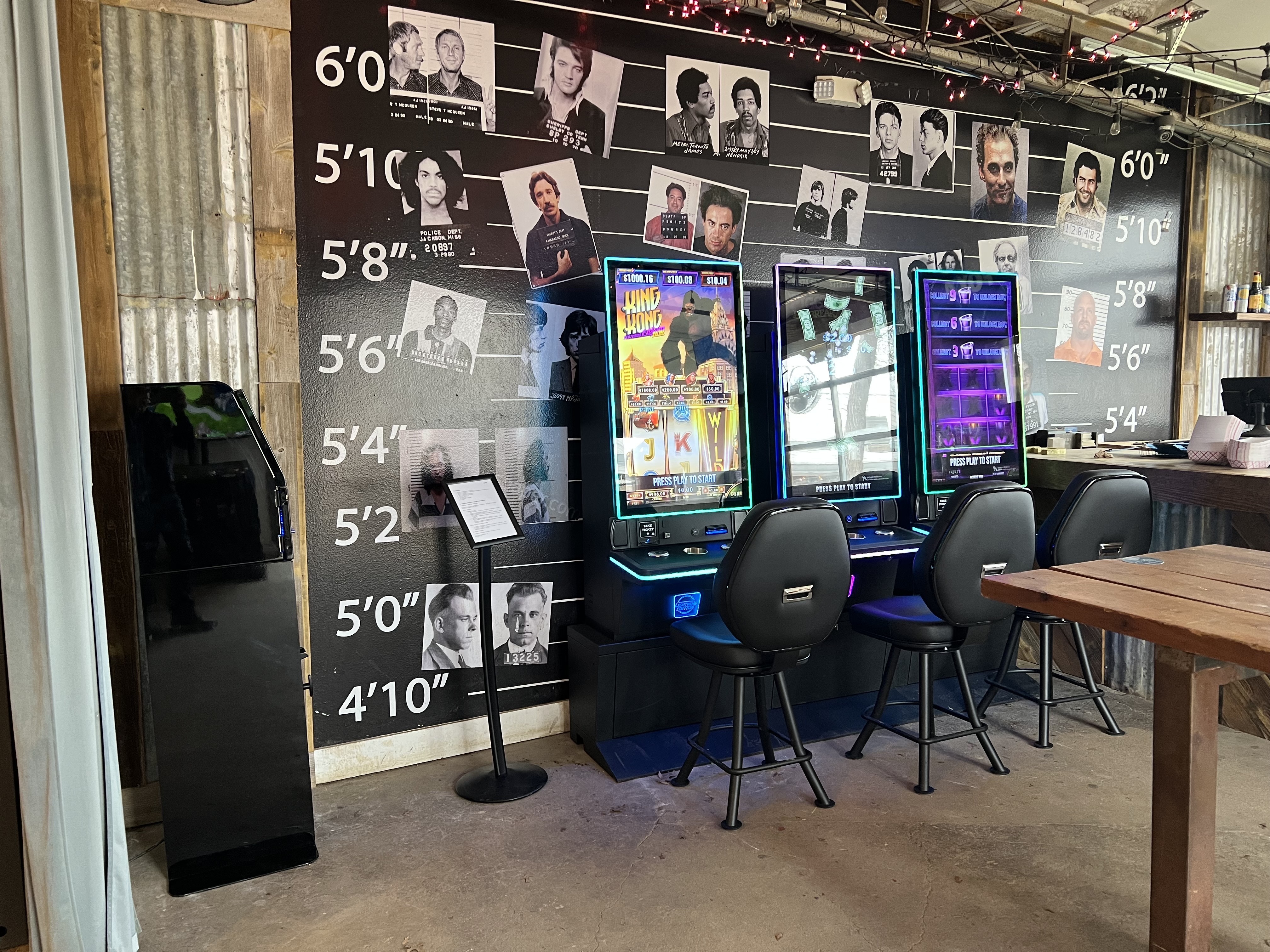
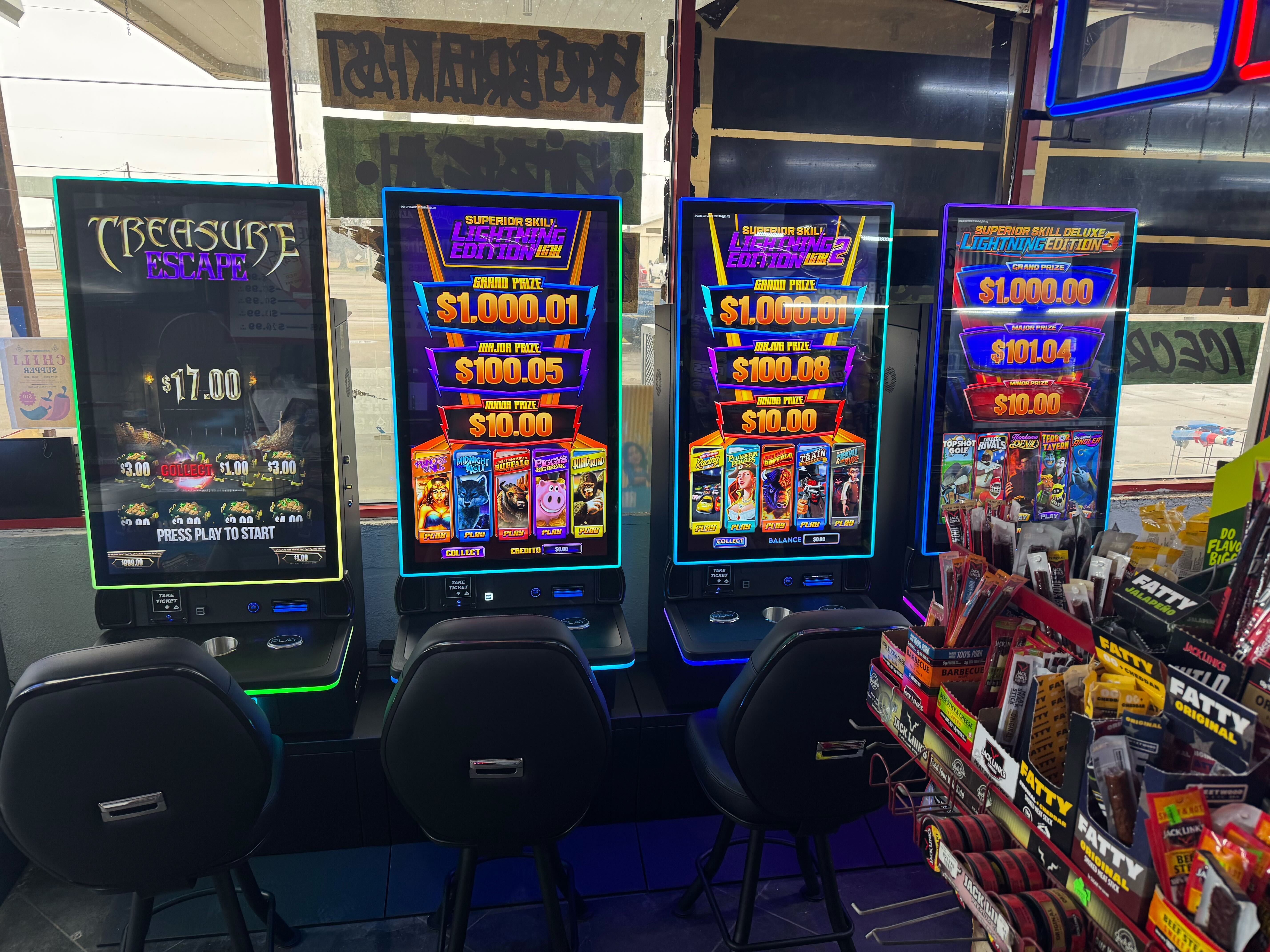
Your physical space should reflect your commitment to hospitality. It should be an environment where people want to linger and feel comfortable. This means creating a safe space that is clean, well-maintained, and engaging. For business owners looking to elevate guest experience, providing compelling in-house entertainment is a natural fit.
Partners like Peak Entertainment understand that it’s not just about adding skill games; it’s about integrating them as part of a complete entertainment solution that complements the welcoming, hospitable atmosphere you’ve worked so hard to build.
Putting It All Together
Shifting from a service-oriented mindset to a hospitality-first culture is the most powerful move a Texas business owner can make. Service is about the transaction; hospitality is about the relationship. Service is forgettable; hospitality drives word-of-mouth marketing.
By leading by example, focusing on your team, and mastering the details that make people feel valued, you stop being a vending machine. You become a living room, a local favorite, and a community cornerstone where customers don't just spend money, they feel like they belong.
Your Partner in Success
Building a business that lasts is about more than just numbers; it’s about building genuine connections. By focusing on the principles of true hospitality, you create an environment where both your customers and your business can thrive. At Peak Entertainment, we understand that fostering loyalty through exceptional experiences is paramount. We are committed to supporting Texas business owners who understand this vision, offering compliant, engaging entertainment solutions that complement and enhance the hospitable atmosphere you’ve worked so hard to build. Partner with us to elevate your customers' experience and ensure your establishment remains a beloved local destination.
Frequently Asked Questions
-
What is the difference between service and hospitality in a business?
Service is the technical process of delivering a product or task; it's transactional. Hospitality is the emotional connection created during that process; it's relational. You can get good service at a self-checkout kiosk, but you only experience hospitality from a person who makes you feel genuinely welcome and cared for.
-
What makes customers loyal to a brand?
Customers become loyal when they feel an emotional connection to a business. While consistent service is important, loyalty is built on trust, feeling valued, and a sense of belonging. Hospitality fosters these feelings, turning a simple preference into a deep-seated loyalty that isn't easily broken by a competitor's lower price or promotion.
-
What is anticipatory service?
Anticipatory service is the practice of identifying and meeting customer needs before they are expressed. It involves paying close attention to guest behavior, listening actively, and using past experience to proactively offer solutions. For example, offering to split a check for a large group before they ask is a form of anticipatory service.
-
How can we create a customer-first culture?
A customer-first culture starts with leadership and empowering employees. It involves hiring people with natural empathy, providing ongoing soft skills training, and giving your team the authority to solve problems on the spot. It's about making sure every decision, from policies to daily tasks, is viewed through the lens of how it will impact the customer experience.
-
What are some best practices for customer engagement?
Effective customer engagement is about being present and personal. Key practices include making a strong first impression with a warm greeting, using active listening to understand customer needs, remembering the names and preferences of regulars, and asking for feedback to show you value their opinion. The goal is to make the interaction feel like a human conversation, not a transaction.
-
How does word-of-mouth marketing actually work?
Word-of-mouth marketing is the most powerful form of advertising because it's built on trust. It happens when a customer has an experience so positive and memorable that they feel compelled to share it with their friends, family, or online network. Hospitality is the engine of this process; it's the "wow" factor that exceeds customer expectations and gets people talking about your business.
More Into
Announcements











Ready to partner with us?

