How Gaming Machines Can Turn Waiting Customers into Buyers
Author
February 25, 2025
Businesses that rely on foot traffic understand that every extra minute a customer stays in their establishment increases the likelihood of a purchase. This concept—often called "dwell time"—plays a major role in sales psychology. The longer customers remain engaged, the more they spend.
Skill-based gaming machines are emerging as a powerful tool in hospitality and retail spaces, keeping customers entertained while subtly encouraging additional purchases. From bars and taverns to restaurants, c-stores, truck stops, and entertainment hubs, businesses are leveraging gaming machines to transform passive waiting time into active engagement—and ultimately, increased revenue.
Why Dwell Time Matters for Businesses
Dwell time refers to the amount of time a customer spends at a location before making a purchase or leaving. Businesses that increase this time benefit in multiple ways:
- Higher Spending: Customers who stay longer are more likely to buy additional food, drinks, or services.
- Increased Loyalty: The more time people spend at an establishment, the more likely they are to return.
- Stronger Brand Engagement: A positive, engaging experience increases word-of-mouth referrals and repeat visits.
For businesses in competitive industries like hospitality, fuel stations, and c-stores, providing a reason for customers to stay just a little longer can make a significant impact on overall sales.
How Gaming Machines Encourage Customers to Stay Longer
Skill-based gaming machines introduce an interactive component that keeps customers engaged. Unlike traditional slot machines, which rely entirely on chance, skill-based games reward strategy and decision-making, providing a more immersive experience.
Here’s how they enhance business revenue:
- Turning Wait Time into Play Time: Customers waiting for food, fuel, or services are more likely to engage with a game rather than passively scrolling on their phones.
- Encouraging Repeat Play: Skill-based games offer the opportunity for improvement, motivating players to return and try again.
- Fostering Social Interaction: Many games encourage friendly competition, making them a great addition to social settings like bars and restaurants.
- Pairing with Purchases: Players who start gaming often continue buying food, drinks, or other items while they play.
Businesses incorporating gaming into their space aren’t just adding entertainment—they’re creating a reason for customers to extend their stay and increase their spending.
Learn more about skill-based gaming machines and how they can transform business revenue.
Industries Benefiting from Skill-Based Gaming
Skill-based gaming isn’t just for casinos—it’s becoming a game-changer for multiple industries.
Bars and Taverns
Adding gaming machines to a bar setting encourages patrons to stay longer, order more drinks, and return frequently. Competitive play keeps customers entertained while driving additional revenue through extended visits.
Restaurants
Restaurants with waiting areas can use gaming machines to enhance the customer experience. A quick game while waiting for a table or order reduces perceived wait times and keeps guests engaged.
Convenience Stores and Fuel Stations
C-stores and fuel stations are increasingly incorporating gaming to encourage customers to spend time inside rather than just fueling and leaving. Gaming options create a reason for customers to linger, increasing in-store purchases of snacks, drinks, and other products.
Explore how businesses are using gaming terminals to enhance customer experiences.
The Psychology Behind Gaming and Spending
Gamification taps into basic psychological principles that make customers more likely to engage with a business:
- The Reward Loop: Players enjoy the sense of achievement that comes with progressing in a game, keeping them engaged.
- Social Influence: Seeing others play and win encourages more people to join in.
- Sunk Cost Fallacy: Customers who have already spent time on a game are more likely to continue playing or buying refreshments to accompany their experience.
These factors make gaming an effective tool for increasing dwell time and driving purchases in hospitality and retail environments.
Setting Up Skill-Based Gaming Machines in Your Business
For businesses considering the integration of skill-based gaming, a few key steps ensure success:
- Choose the Right Games: Games should be engaging, easy to play, and suited to the venue’s audience.
- Strategic Placement: Machines should be visible but not intrusive, ensuring accessibility without disrupting foot traffic.
- Compliance and Licensing: Understanding state and local regulations for gaming machines is essential.
- Promote Gameplay: Offering incentives such as discounts or rewards for playing can encourage participation.
- Monitor Customer Engagement: Tracking machine usage can help optimize placement and game selection.
Peak Entertainment specializes in integrating skill-based gaming solutions tailored to different industries. Contact us today to explore options for your business.
Conclusion: Gaming Machines as a Revenue Driver
Skill-based gaming is reshaping how businesses approach customer engagement. By offering interactive entertainment, bars, restaurants, c-stores, and fuel stations can turn waiting customers into paying customers—driving higher revenue, repeat visits, and stronger brand loyalty.
As the gaming landscape evolves, forward-thinking businesses that integrate skill-based gaming will continue to stand out in competitive markets. Learn more about Peak Entertainment’s expertise in skill-based gaming and how it can work for your business.
Frequently Asked Questions
Q: How do skill-based gaming machines differ from traditional slot machines?
A: Unlike slots, which rely entirely on chance, skill-based games allow players to influence the outcome based on their abilities and decision-making.
Q: What types of businesses benefit most from skill-based gaming?
A: Bars, restaurants, c-stores, truck stops, and entertainment centers see increased customer dwell time and spending with gaming options.
Q: Are skill-based gaming machines legal in Texas?
A: Yes. However, some municipalities may require certain tax registrations and other forms. Regulations can vary, and businesses should ensure compliance with state and local gaming laws before installation.
Q: Do gaming machines require regular maintenance?
A: Yes, like any interactive equipment, they should be checked often to ensure smooth operation and customer satisfaction. However there's zero cost for maintenance for the business owner.
Q: How can businesses maximize the benefits of gaming machines?
A: Strategic placement, game variety, and promotions that encourage repeat play all help boost customer engagement and revenue.
More Into
Announcements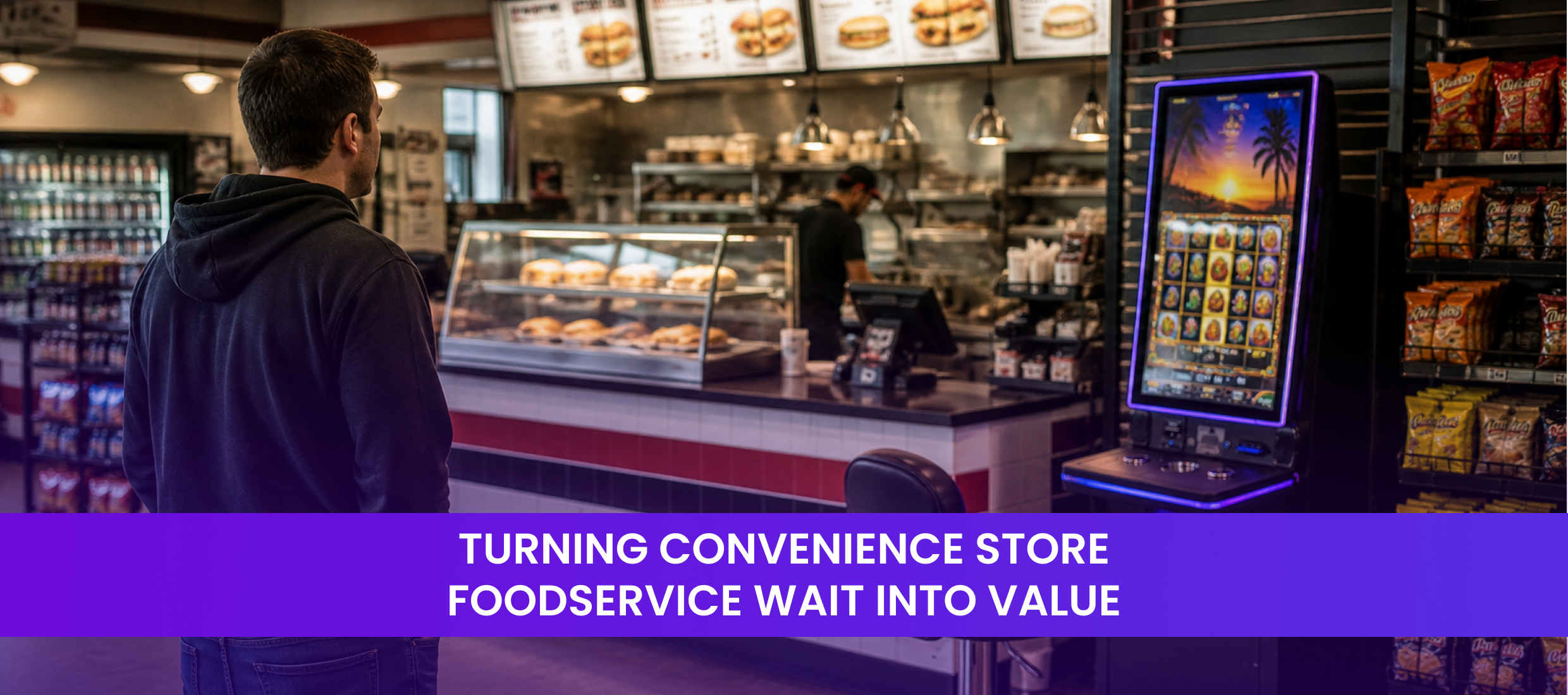
Turning Convenience Store Foodservice Wait Into Value
Convenience store foodservice keeps growing because customers want it.
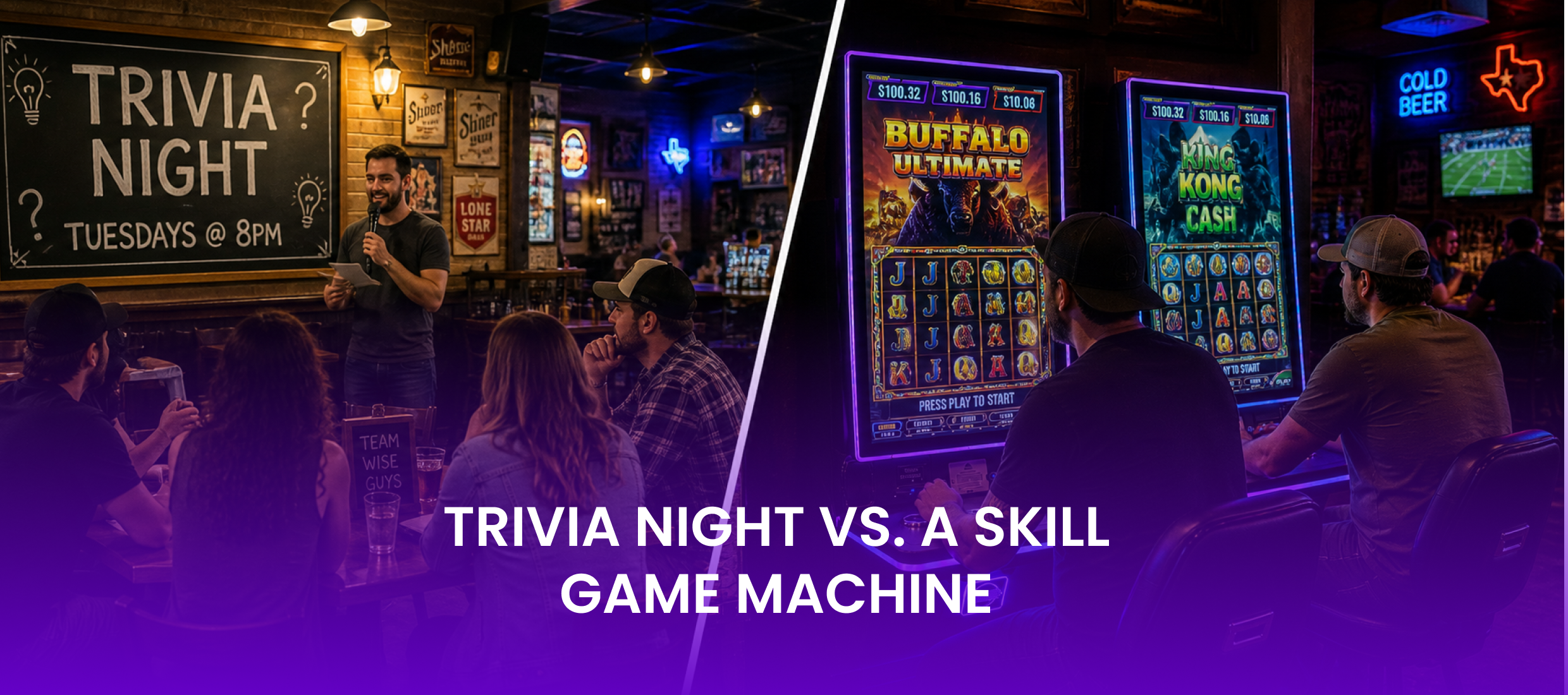
Trivia Night vs. a Skill Game Machine: What It Really Costs
Every slow-night article says the same thing: run trivia.
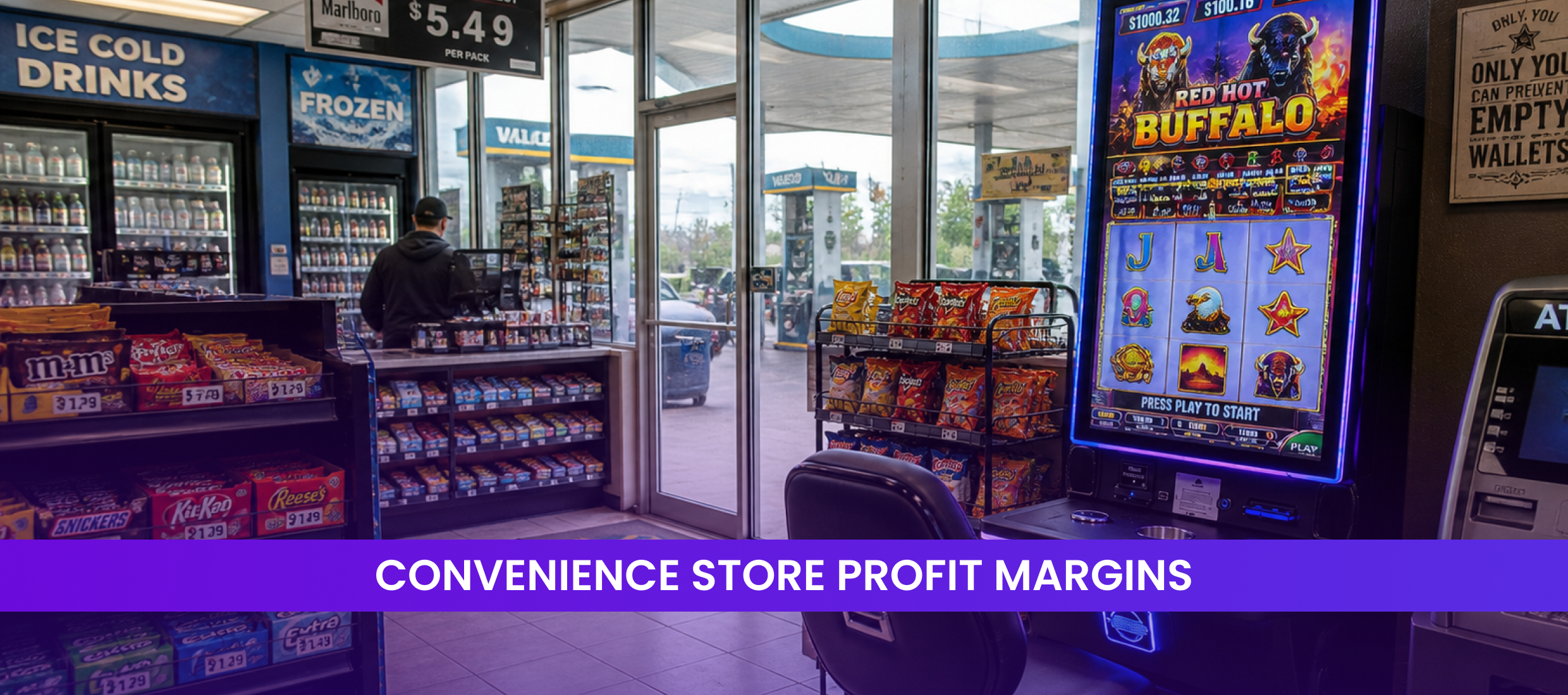
Why Convenience Store Profit Margins Depend on Experience
A rival's price sign drops ten cents overnight. You can't match it and stay open.
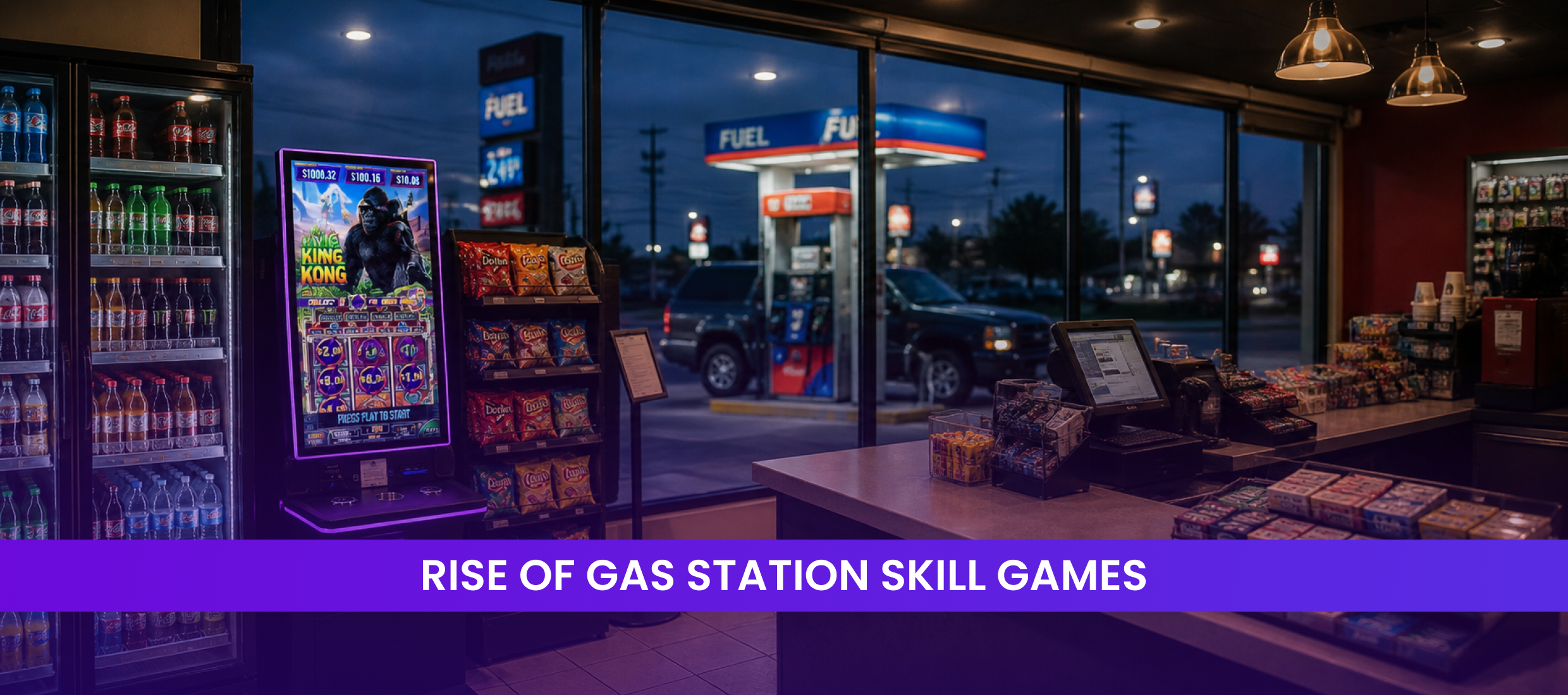
Behind the Rise of Gas Station Skill Games in Texas
Fuel-only visits leave little time to sell. A driver pumps gas, taps a card, and pulls out.
Every Dead Corner Idea for Texas Bars, Ranked and Compared
That corner by the hallway sits empty every night. A pool table used to be there. Nobody replaced it
Improving Workplace Culture: Managing Burnout in Texas Bars
Running a single-location bar or retail spot in Texas is a high-stakes balancing act.
Stop Micromanaging: Guide to Bar Manager Duties and Responsibilities
Move from constant supervision to strategic oversight in three distinct phases.

Seating for Success: How Bar Stool Comfort Drives Sales
Bar stool is a piece of equipment that can simultaneously speed up a tab or kill a customer’s night.

Reclaiming Your Sanity: The Texas Owner’s Anti-To-Do List
True leadership is not about doing every job. It is about building a machine that runs without you.

Is it Time to Expand? 5 Signs You're Ready to Grow Your Business
Thinking about opening a second location?

How to Make Your Business Stand Out in a Crowded Texas Market
This guide will show how to make your business stand out by uncovering the unique advantage you have

Service vs. Hospitality: The Secret to Customer Loyalty
Is your business a vending machine or a living room?
How to Increase Convenience Store Sales: A Texas Owner's Guide
If you want to understand how to increase convenience store sales, you must plug that leak.

The "Flow State" Secret to Keeping Customers Longer
That blue light is the single biggest drain on your per-patron revenue, and it’s time to fight back.

A Texas Bar Owner's Guide to Conquering Business Owner Burnout
That feeling of constant exhaustion, cynicism, and the nagging sense that you have to do everything.

How a Skill Game Machine Brings in New Faces (Not Just Regulars)
If you run a bar or restaurant in Texas, you know the comfort of familiar faces.

Is Skill-Based Gaming Right for Your Business? Get the Answer Now.
It’s easy to think skill-based gaming machines are a slam-dunk for every Texas business.
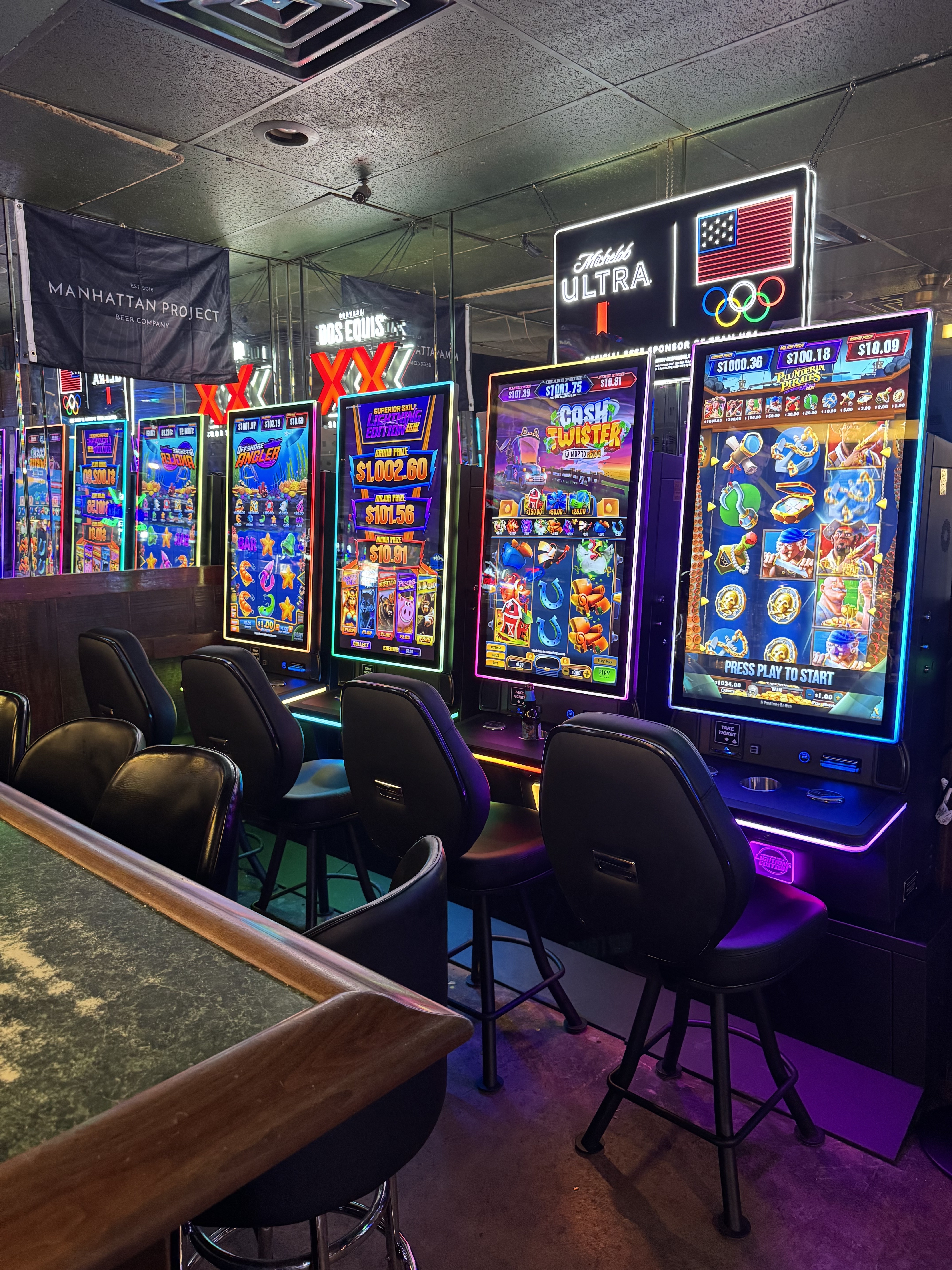
How Skill-Based Gaming Fits Naturally Into Bar Culture
Skill machines are popping up in local venues, and they’re not just earning attention.
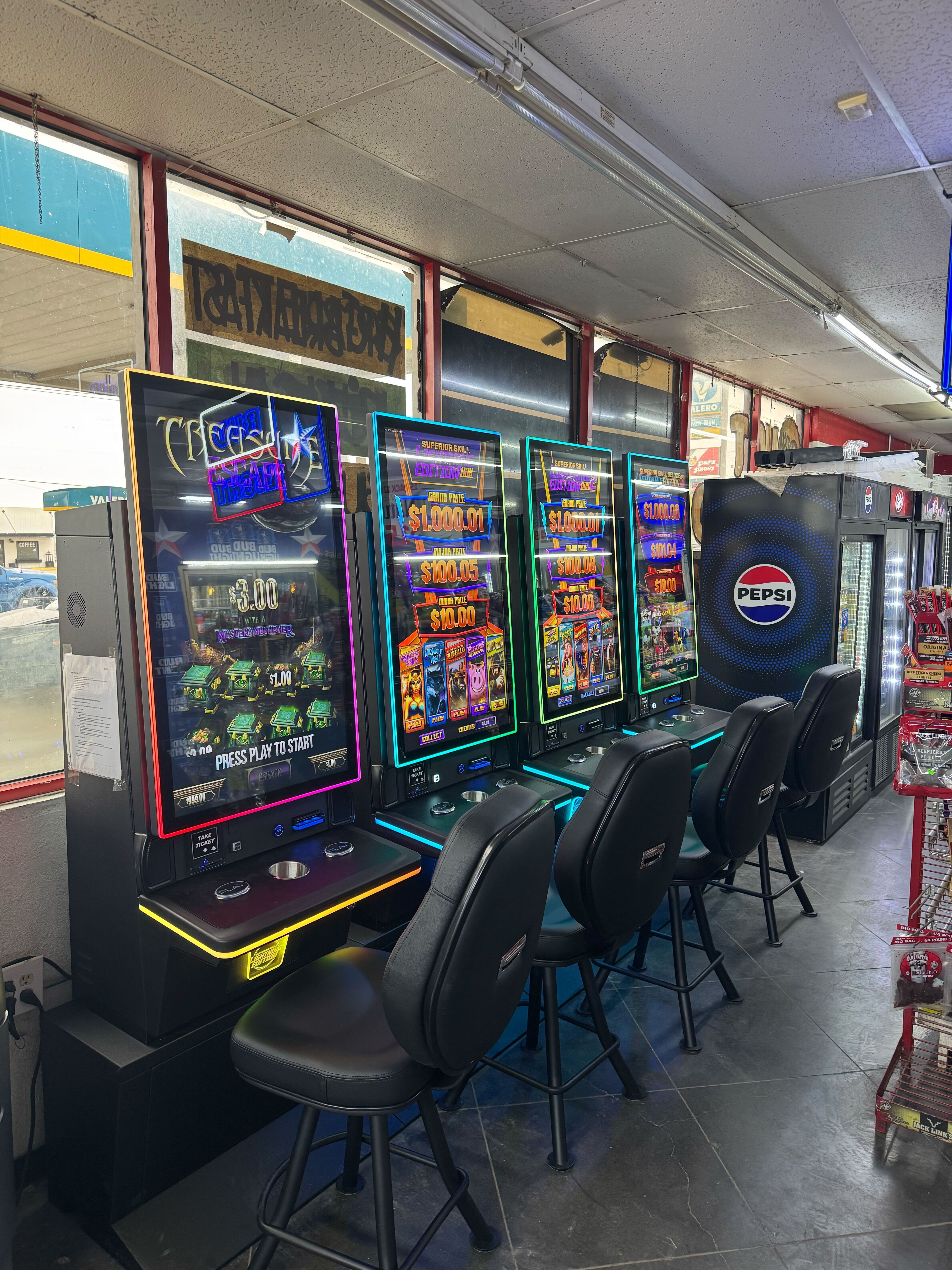
Skill-Based Gaming in the Inflation Era: Earn Passive Revenue
Inflation continues to hit small and mid-sized businesses hard.

Why Skill Based Gaming Machines Are Boosting Guest Retention
Businesses across Texas, especially in Dallas, are turning to a modern solution: skill-based gaming
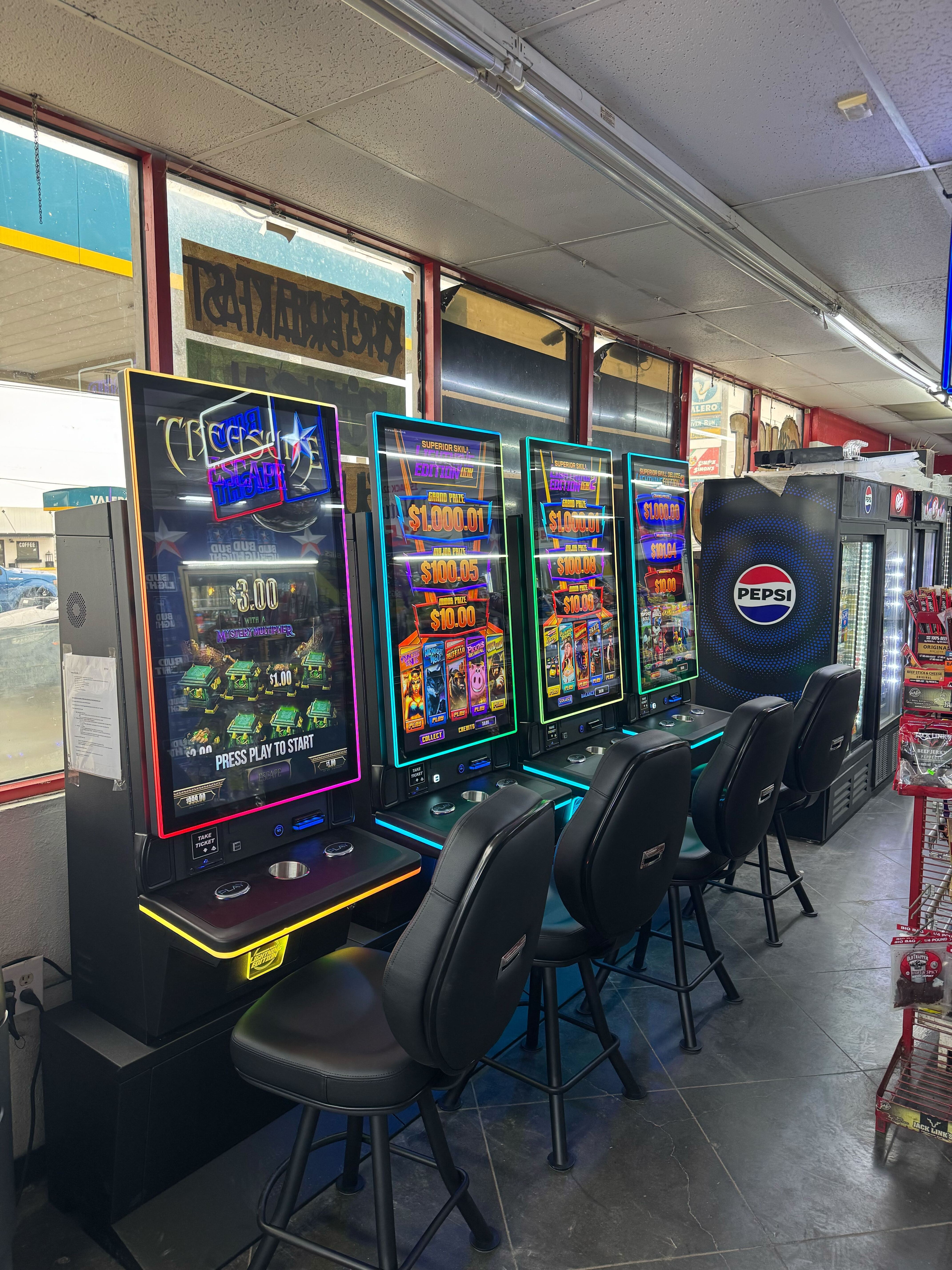
Truck Stops Are the New Hotspot for Texas Skill Games
Across Texas, truck stops are evolving into prime destinations for skill-based gaming
Inside Slot Machines: Mechanics & Winning Potential
Did you know that modern slot machines process over 1000 mathematical calculations per second?
How Gamification Transforms Hospitality for Small Businesses
Gamification has emerged as a game-changer in the hospitality industry.
Ready to partner with us?

Contact
(+1) 855-484-1400
contact@peakentertainment.com
sales@peakentertainment.com
Follow us


Peak Entertainment © All Rights Reserved • Terms of Use • Privacy Policy