
Skill-Based Gaming: Growing Trend in Gaming
Michael Scott
December 11, 2024
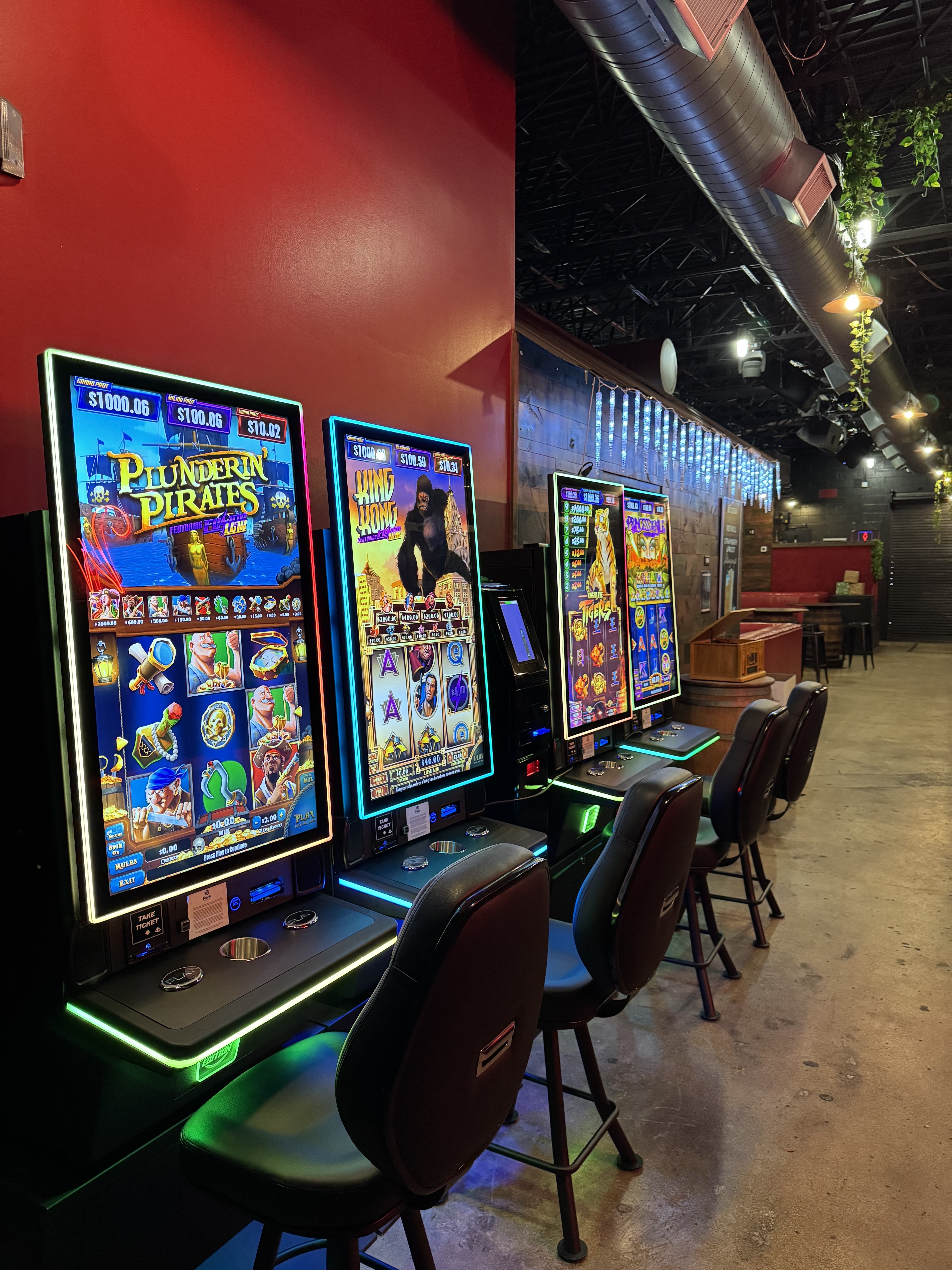
If you're in Texas and curious about skill-based gaming, you're in the right place. Whether you're a casual player or a business owner looking to bring in more customers, this guide breaks down what skill games are, how to play them, and how they can boost your bottom line. Here’s your 2025 skill games guide, written to be clear, informative, and tailored for you.
What Is Skill-Based Gaming?
Skill games are electronic or mechanical games where player decisions, timing, and reflexes determine the outcome, not chance. That’s the key difference between skill-based games and traditional gambling or slot machines.
Examples of Skill-Based Games:
- Matching puzzles with time limits.
- Shooting games require hand-eye coordination.
- Digital trivia challenges.
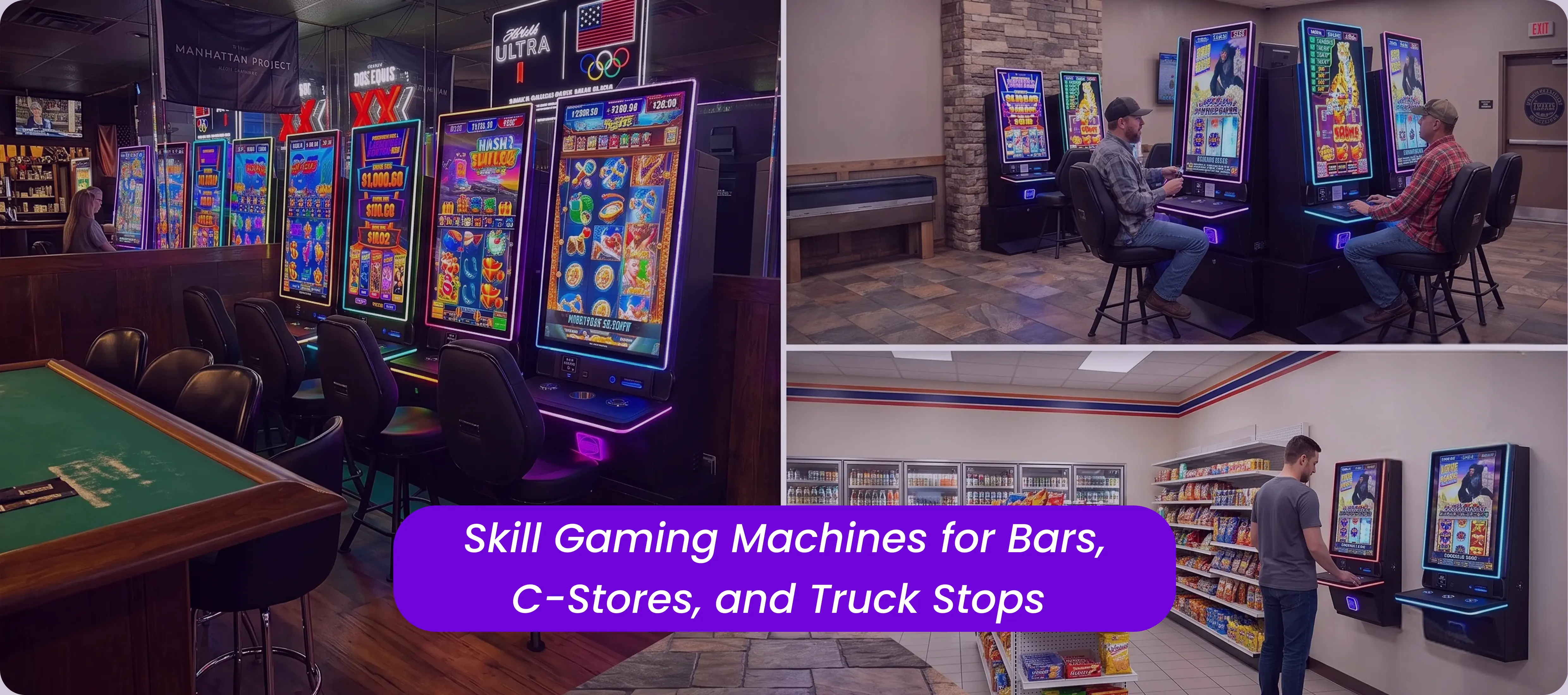
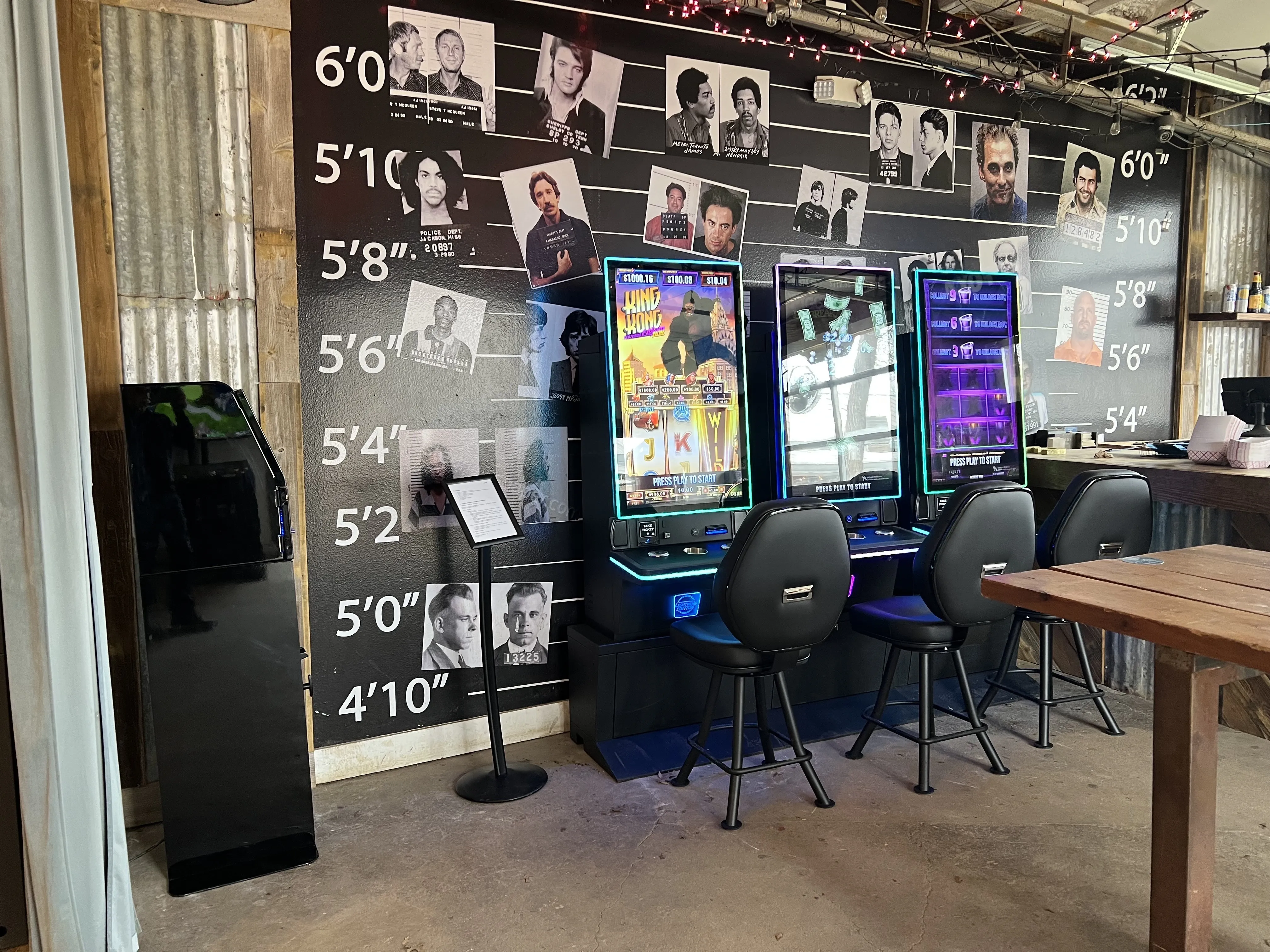
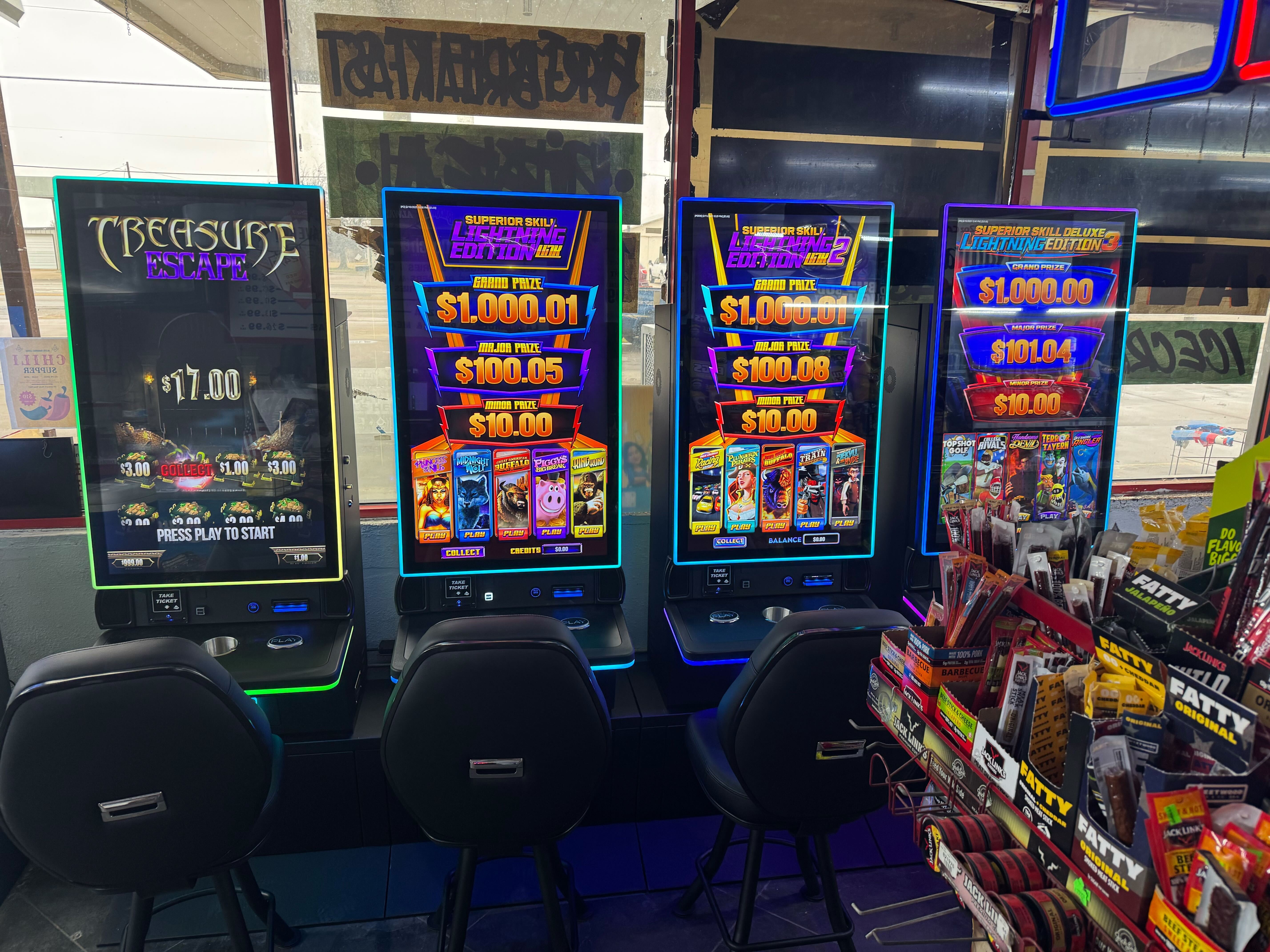
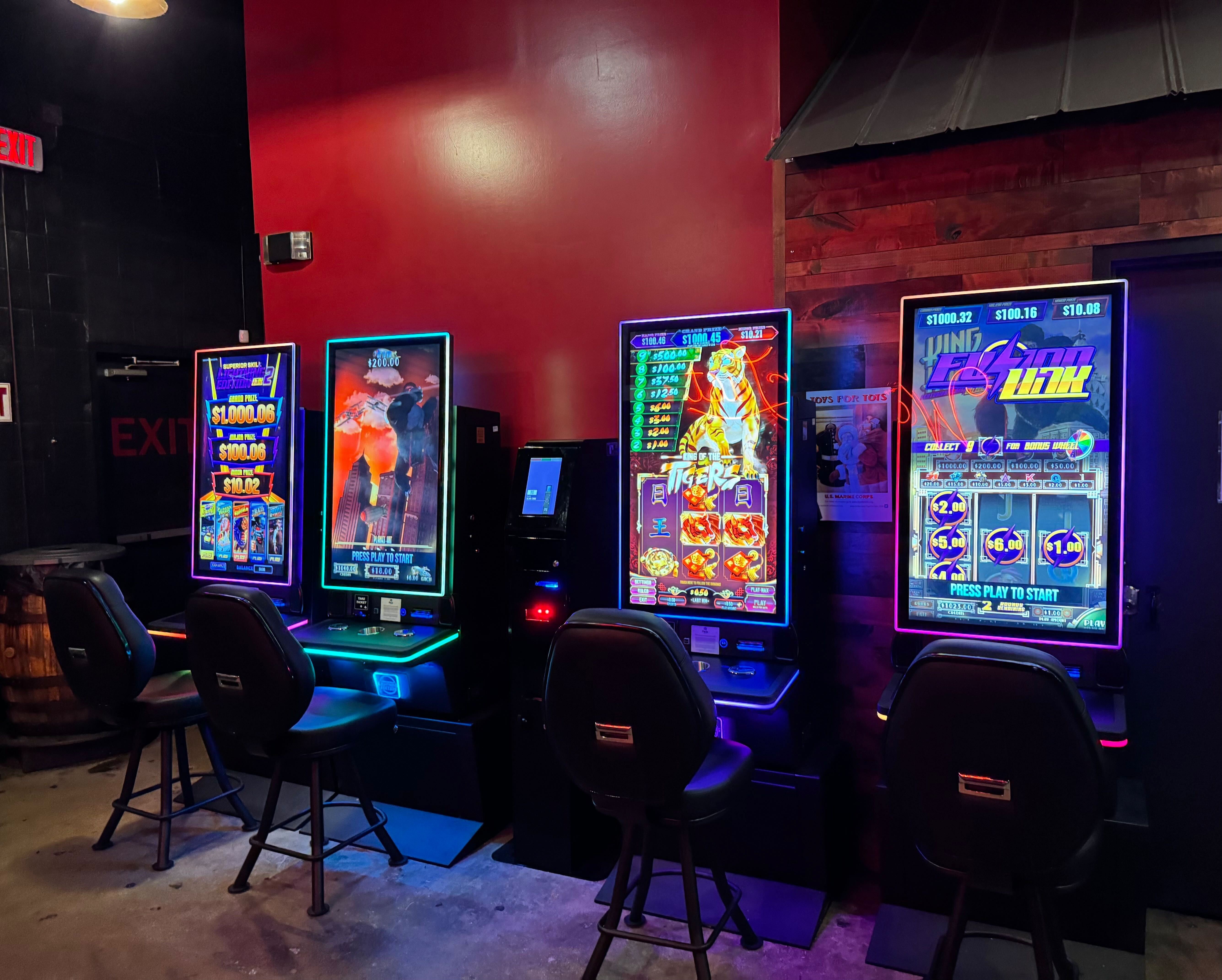
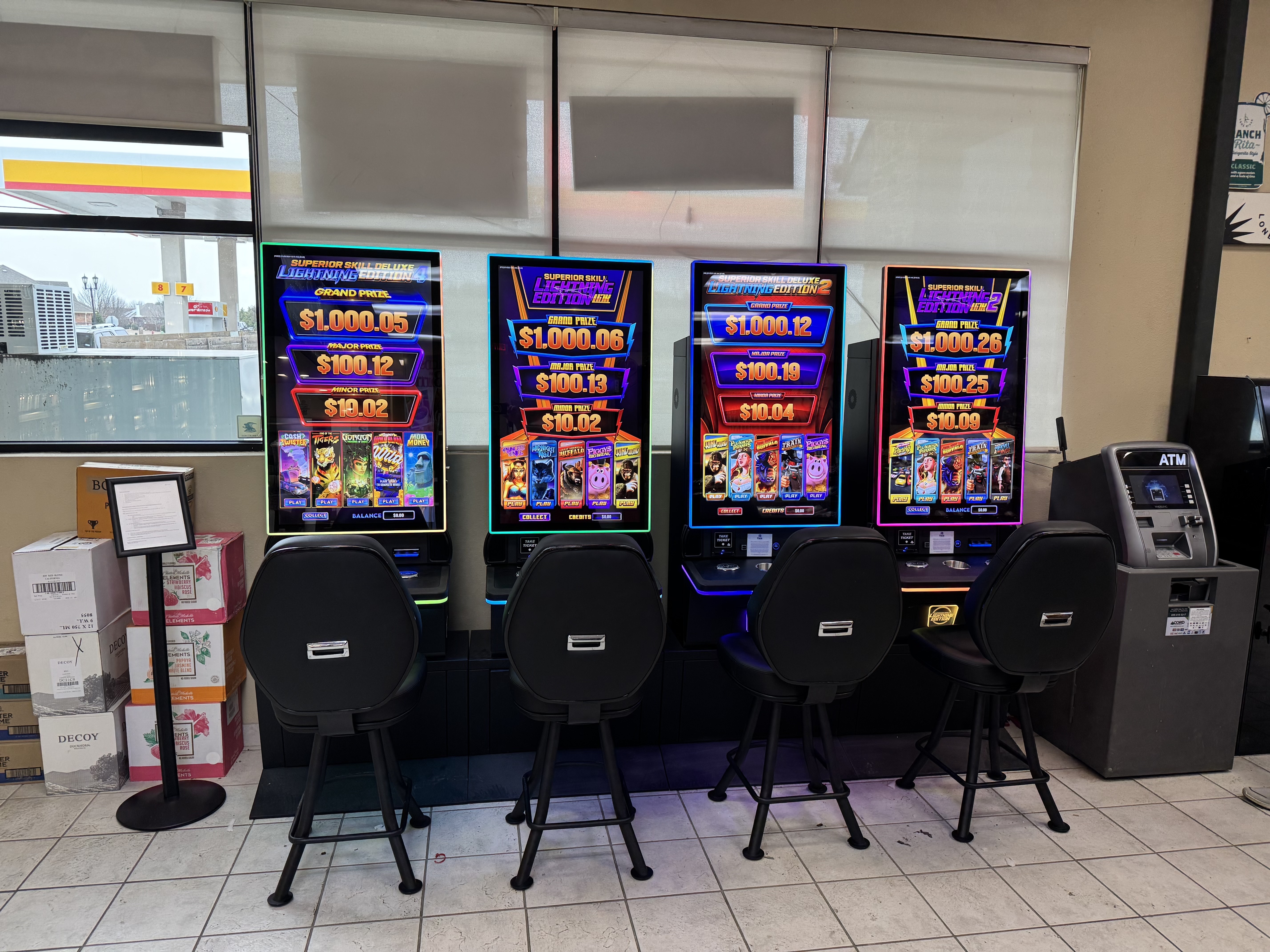
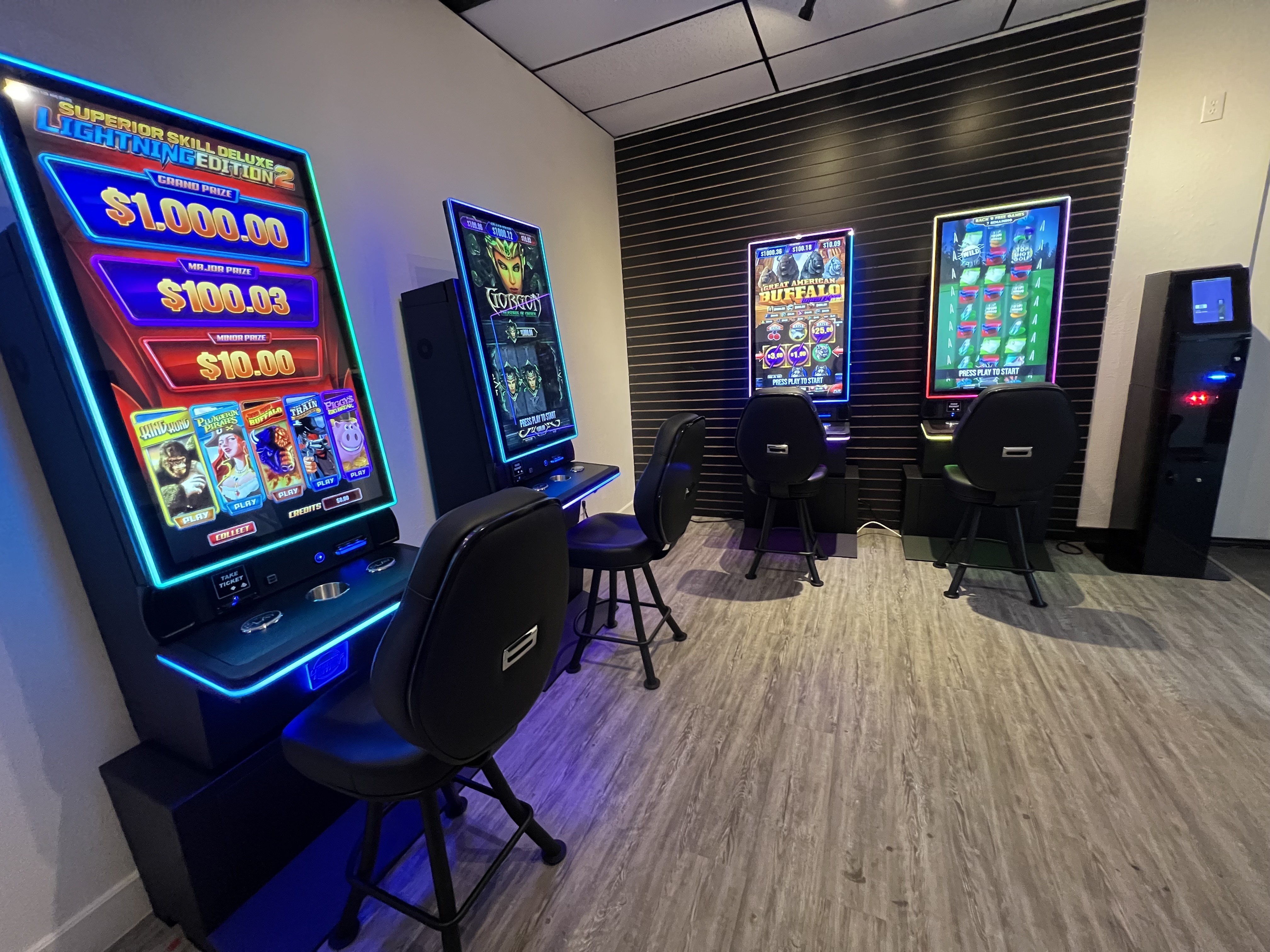
In Texas, these games are growing in popularity, particularly in bars, arcades, restaurants, and convenience stores.

Key Characteristics of Skill-Based Games
-
Player Control: The outcome is largely within the player’s control, influenced by their decisions, actions, and strategies.
-
Competitive Environment: Some skill-based games involve competing against other players, adding to the challenge and excitement.
-
Rewarding Practice: Players who spend time practising and improving their skills are often rewarded with better performance and higher scores.
-
Progression and Learning Curve: Skill-based games often have a progression system that rewards players as they advance through levels and improve their abilities.
How To Play Skill Games?
Playing skill games is easy and rewarding. Here’s a quick breakdown:
-
Insert Credits: Start by inserting values or tokens into the machine.
-
Choose Your Game: Select from a variety of games offered on the terminal.
-
Use Skill, Not Luck: Play the game using reflexes, memory, timing, or knowledge.
-
Earn Rewards: Based on your performance, you may win points, tickets, or redeemable prizes.
Most importantly, practice makes perfect. The more you play, the more skilled (and successful) you’ll become
The Growth of Skill-Based Gaming In Texas
The rise of skill games on machines, mobile devices, online platforms, and streaming services has contributed to the massive growth. Here are a few key reasons why games of skill are trending:
1. Rise of Competitive Gaming and eSports
Games of skill have fueled the growth of esports and gaming machines, where players and teams compete in organized tournaments for prizes and recognition.
2. Monetization and Rewards
Many skill-based games offer monetary rewards or other incentives, attracting players who enjoy the challenge and the potential for real-world prizes.
3. Personal Development and Cognitive Benefits
Skill-based games are often seen as beneficial for cognitive development. Games that challenge memory, reflexes, strategic thinking, and problem-solving can help improve mental agility and focus.
Skill Games For Small Businesses: A Win-Win
Thinking about adding a skill game machine to your location? Here's why it's smart:
| Benefits | Description |
|---|---|
|
Boost Foot Traffic |
Players stay longer and return more often. |
|
Increase Revenue |
Machines generate passive income. |
|
Loyalty & Retention |
Offers customers a reason to choose their spot over competitors. |
|
Engage the Community |
Local patrons love competitive games & leaderboards |
At Peak Entertainment, we partner with small businesses across Texas to install, manage, and support high-performance skill gaming terminals that deliver results.
Benefits of Skill-Based Gaming
- Enhanced Cognitive Abilities: Many skill-based games improve players' cognitive skills, including memory, problem-solving, and strategic thinking.
- Entertainment and Engagement: The competitive nature of skill-based games keeps players engaged and provides a sense of accomplishment.
- Potential for Rewards: Some skill-based games offer monetary or other valuable rewards, adding an extra layer of excitement for players.
- Social Interaction and Community Building: The game of skill have social components that allow players to interact, collaborate, and compete with others, fostering a sense of community.
- Fewer Regulatory Restrictions: Since the outcome is based on skill, many skill games face fewer regulatory challenges compared to games of chance, making them more accessible in various markets.
Challenges and Controversies in Skill-Based Gaming
While skill-based gaming offers numerous benefits, it also faces challenges:
- Blurred Lines Between Skill and Chance: Some games mix elements of skill and chance, making it difficult to classify them, which can lead to regulatory challenges.
- Monetization and Accessibility Concerns: Real-money skill-based games can sometimes lead to addictive behavior and financial losses, raising ethical concerns.
- Cheating and Fairness: Cheating is a concern in competitive skill-based games, where players may use hacks or third-party tools to gain an unfair advantage.
- Regulatory Issues: Although skill-based games face fewer regulations than gambling, the line is sometimes blurred, and legal challenges can arise, especially in regions with strict gaming laws.
Future of Skill-Based Gaming
Despite the challenges, the future of skill-based gaming looks promising, thanks to new technologies and shifting player interests. Here are some key trends shaping the industry:
- AI-Enhanced Gameplay: AI can be used to create adaptive gameplay experiences, where the difficulty adjusts to the player's skill level, offering a personalized experience.
- Virtual and Augmented Reality: VR and AR can make skill-based games more immersive, providing players with realistic and engaging environments.
- Blockchain and NFT Integration: Blockchain technology can introduce secure, transparent transactions, while NFTs allow players to own unique in-game assets that can be traded or sold.
- Growth of eSports in Skill Games: With the continued rise of eSports, more skill-based games will enter the competitive arena, with lucrative sponsorships and tournaments.
- Rise Of Educational Games: Skill-based games that promote learning and cognitive development are gaining popularity, and more educational gaming platforms are expected to emerge.
Conclusion
Skill-based gaming represents an exciting segment of the gaming industry that combines entertainment, cognitive benefits, and rewards. Unlike traditional games of chance, skill-based games allow players to improve through practice, offering a sense of accomplishment and personal growth. As the gaming industry continues to evolve, skill-based gaming will likely expand, with new platforms, technologies, and opportunities emerging for players worldwide.
Whether you're a player looking for fun or a business owner seeking growth, skill-based gaming in Texas is a golden opportunity. It’s legal, exciting, and designed for engagement.
Contact Peak Entertainment today to explore how you can add a skill game to your venue and start seeing results.
FAQs:
Q: What are skill games?
A: Skill games are games where success depends on a player’s ability, not chance. Think puzzles, shooting games, or reflex challenges.
Q: How does skill-based gaming differ from gambling?
A: In skill-based gaming, players control the outcome based on their skill level. In gambling, outcomes are random, and players have little to no control over the result.
Q: Are skill-based games legal in Texas?
A: Yes, provided the outcome is determined by skill. Compliance with Texas gaming laws is essential.
Q: Can I make a profit playing skill games?
A: Players can win prizes or credits based on their skill performance. These rewards vary by location and game type.
Q: How can my bar or business benefit from skill games?
A: Skill games attract and engage customers, boost dwell time, and create a steady stream of passive revenue.
Q: How do I get started with skill games for my location?
A: Reach out to Peak Entertainment. We provide machines, installation, service, and support, end-to-end.
More Into
Announcements












Ready to partner with us?

