
The First 30 Days with Skill Gaming Machines: What Really Happens
Admin
May 12, 2026
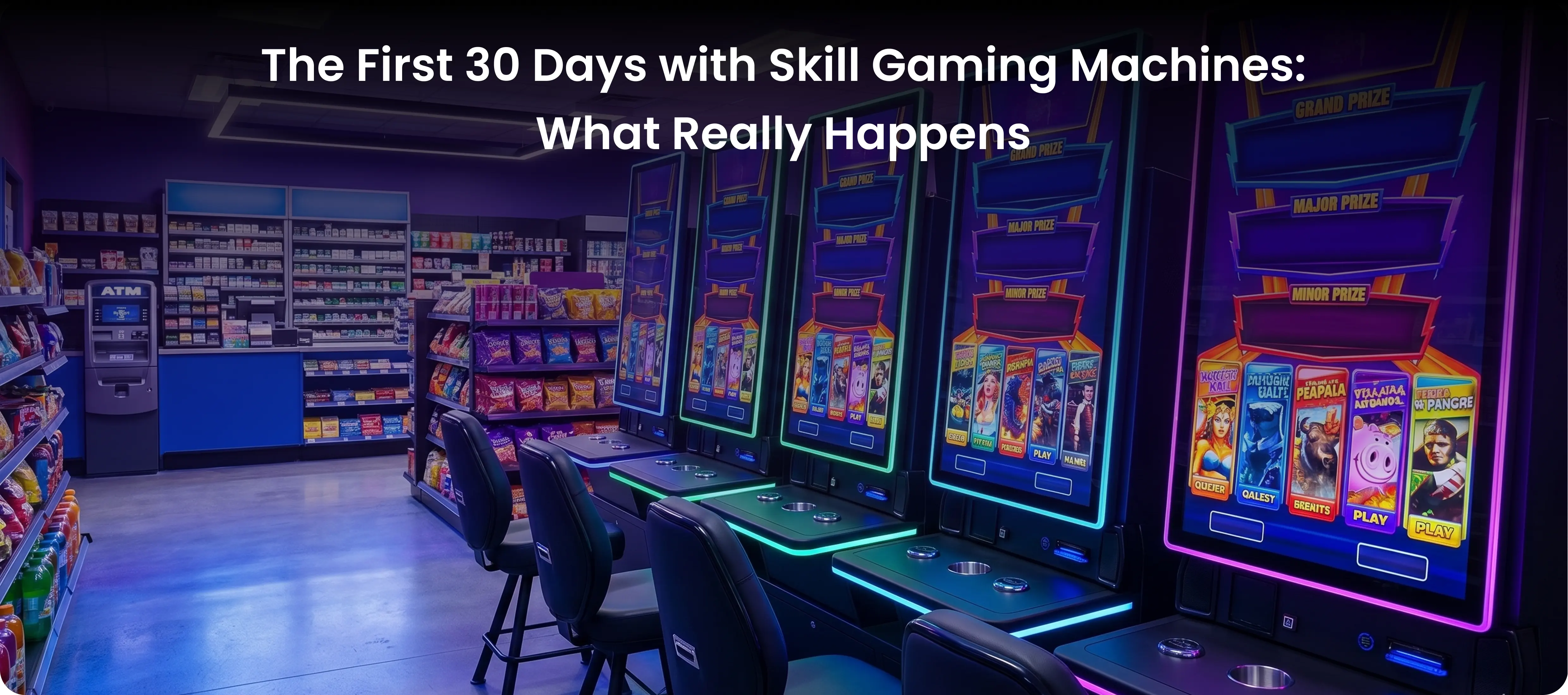
Are you wondering what actually changes in your business once you decide to add skill gaming machines? You have come to the right place. Adding new equipment is a big step, and it is natural to want to know the day-to-day reality of that choice. You wonder if the machines will fit in, if your regulars will like them, or if your staff will end up with more work.
After seeing hundreds of venues go through this, we know that the reality is much calmer than you might expect.
This first month is not a sprint. It is a slow build where your floor space finally starts working as hard as you do. By the time you hit day 30, the "new" feeling will fade into a habit that keeps your seats full and your bank account healthy.
TL;DR: First Month of Skill Gaming Machines
- Visual Appeal: New cabinets turn quiet areas into active spots that draw people in.
- Dwell Time: Patrons who have something fun to do tend to stay for that extra round.
- Staff Ease: Your team will find that these machines run themselves without extra work.
- The New Normal: You will see curiosity turn into a steady habit and new revenue by day 30.
Week 0: The Research Phase
Right now, you are likely in Week 0. This is the time when you are doing your homework. You are looking at different vendors and trying to figure out which skill gaming machines are right for your specific spot. You might be wondering if they are legal in Texas. They are. You are probably asking yourself if this is going to be worth the floor space or if it will just be a giant headache.
This is the stage where you look at your room and try to spot the "dead zones." You are thinking about how a machine might look near the bar or in that back corner. You want a partner with a revenue-sharing model. That way, you avoid a large upfront investment.
It is the time of big questions, and that is exactly where every successful owner starts.
Week 1: The Setup and Curiosity
Week 1 is when the rubber meets the road. The machines arrive, and you finally see them on your floor. This is when you are figuring out the best spot to plug them in. You want them to be seen, but you also want your regulars to feel comfortable. It is like anything else new in a Texas bar or shop. You might feel a little nervous. You are still thinking, "Will this actually do any good?"
Transforming the "Dead Zone"
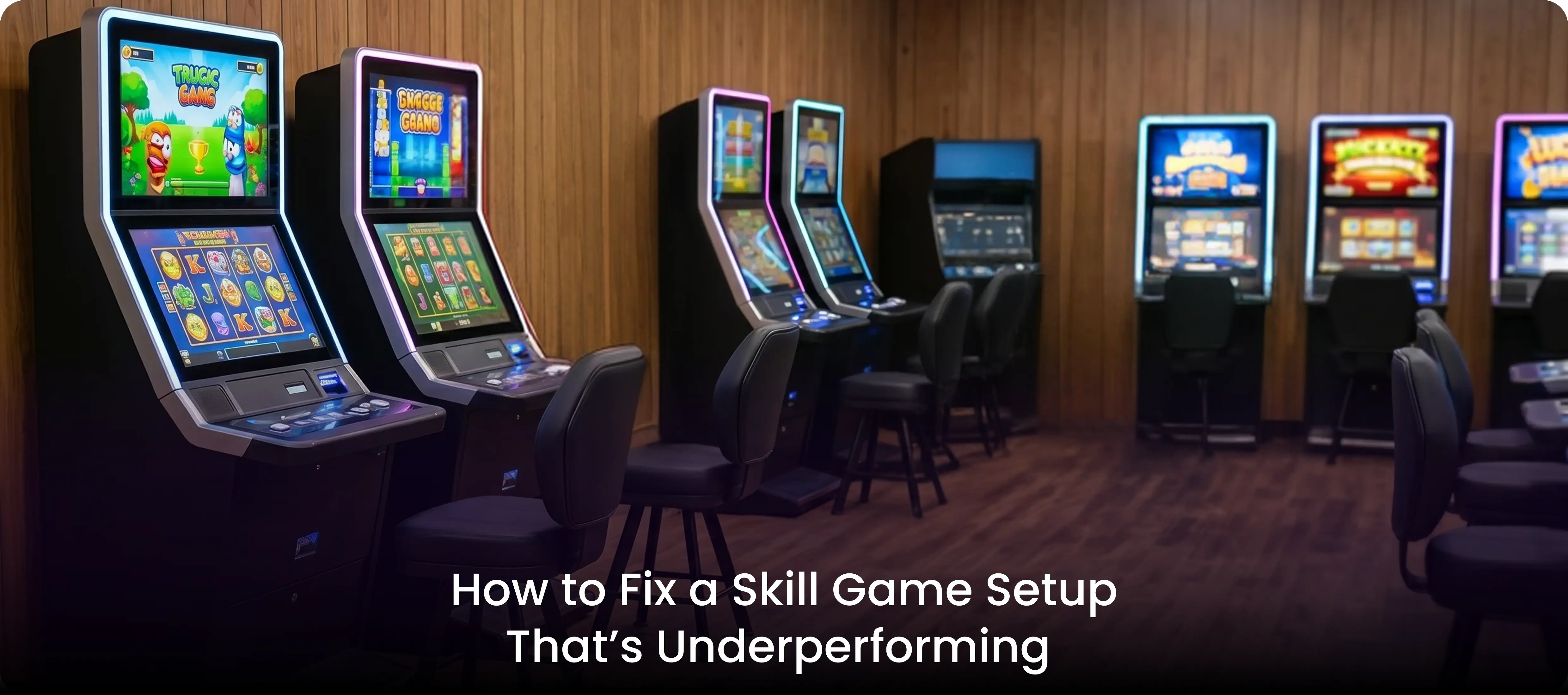
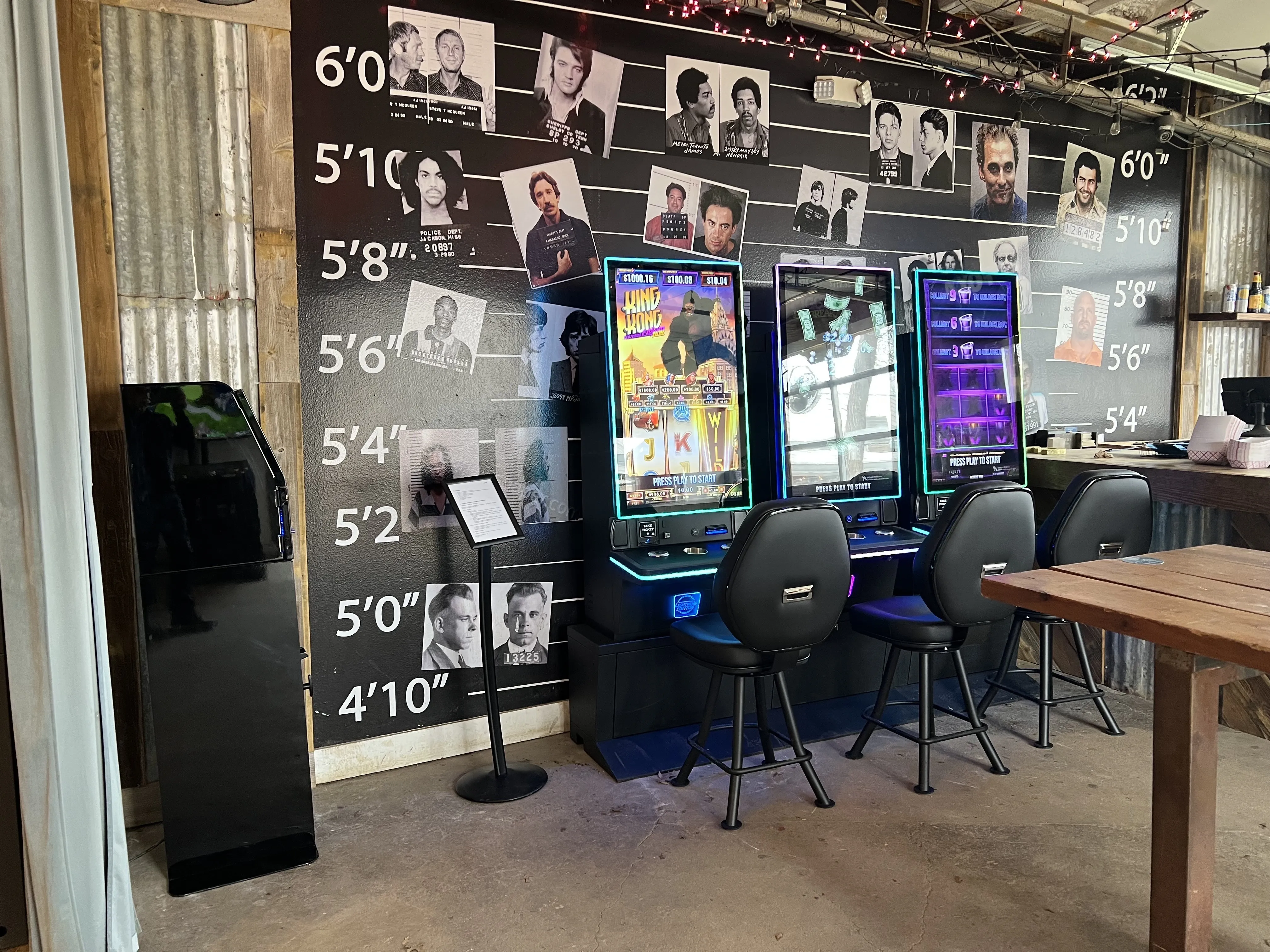
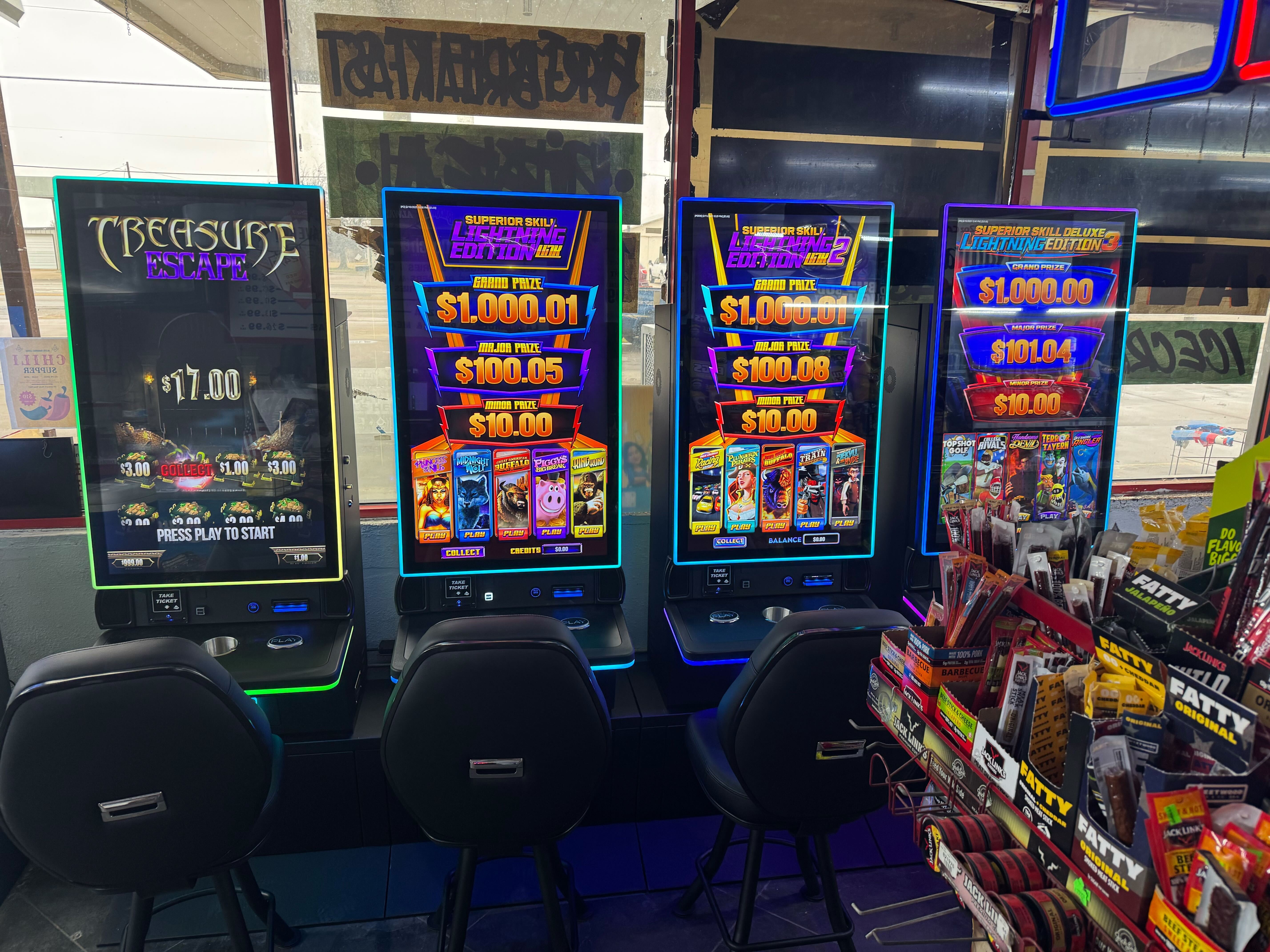
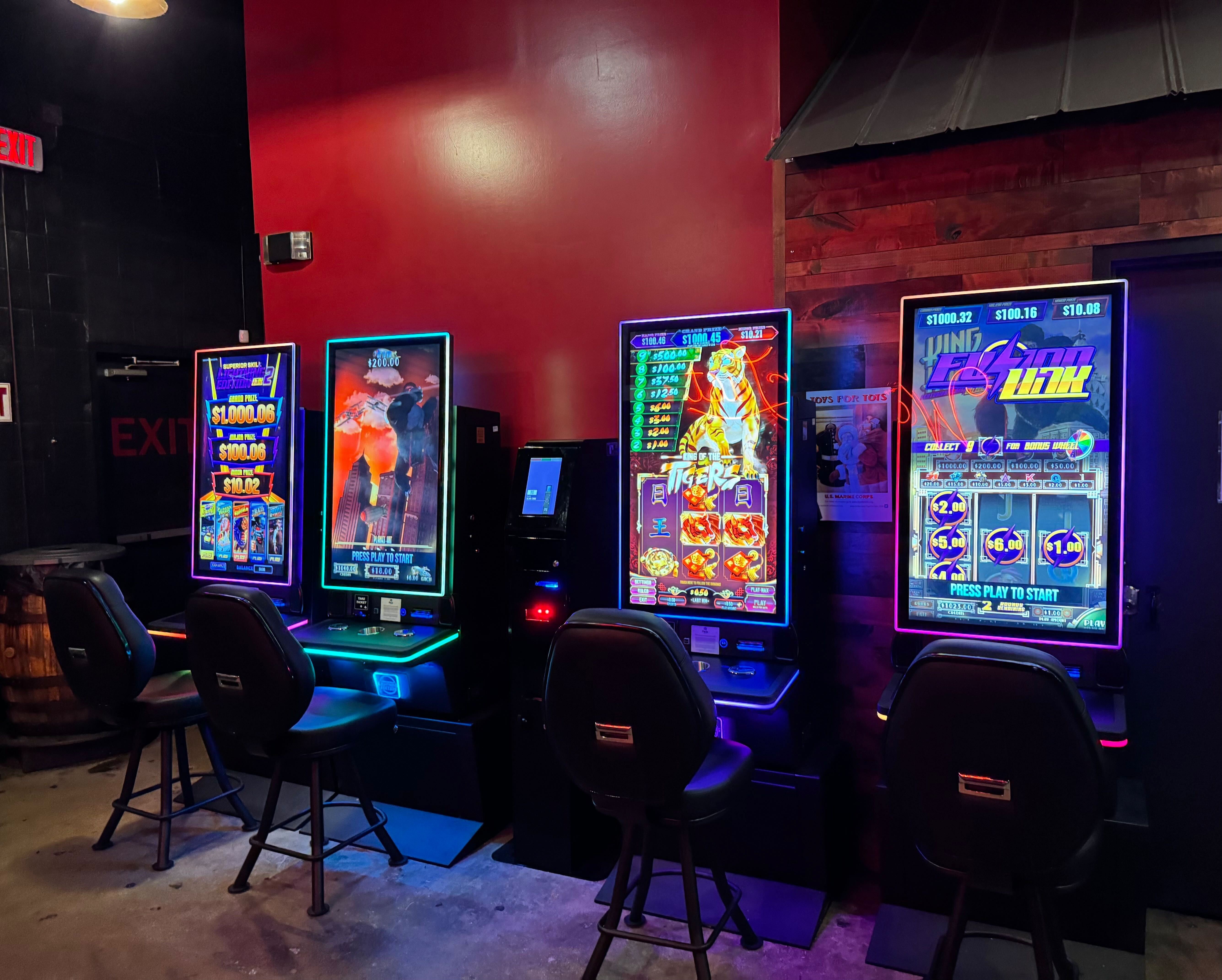
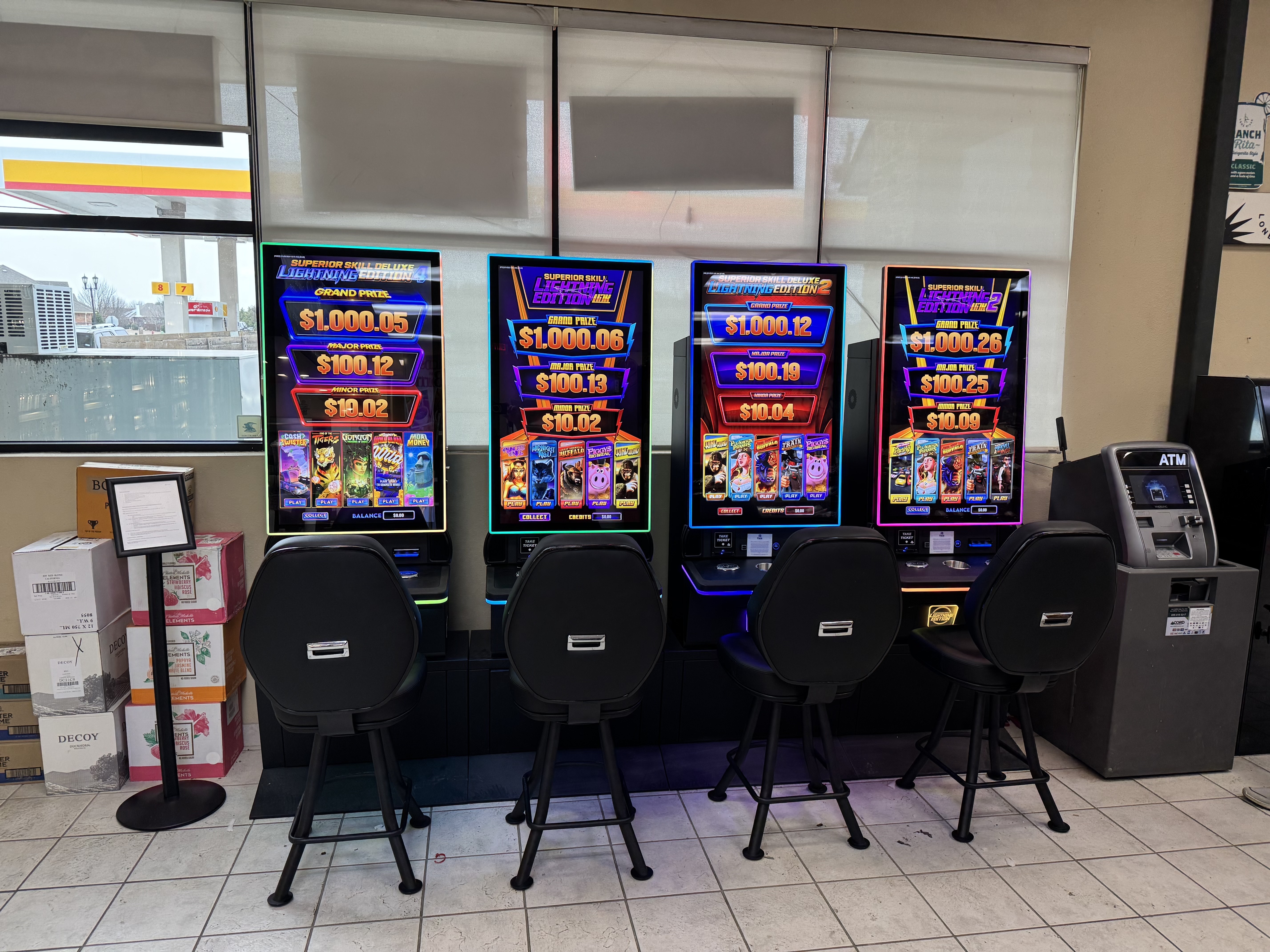
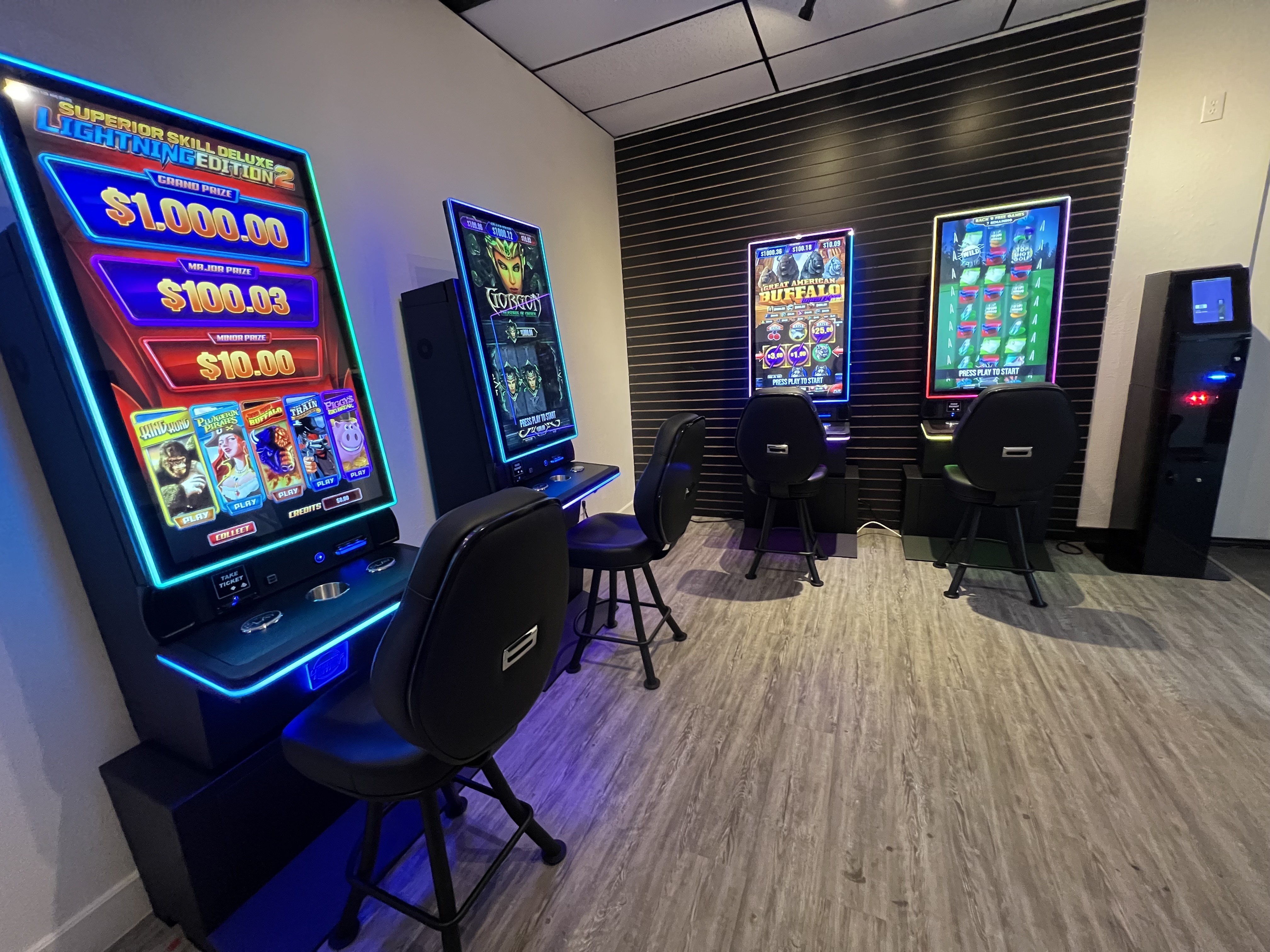
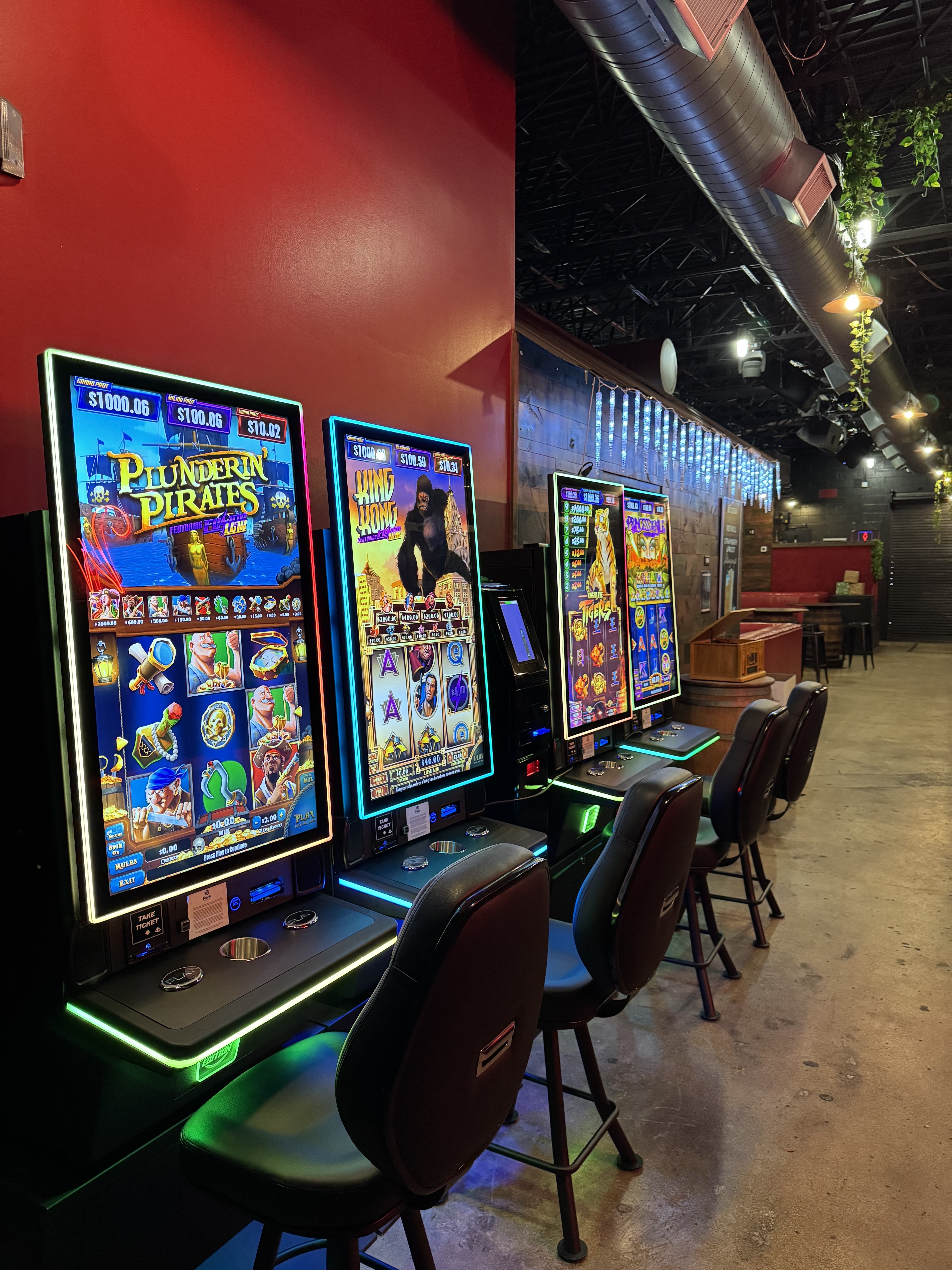
Every bar or retail shop has that one corner. Maybe it is where you keep the extra stools or a dusty table that nobody ever sits at. In week one, that space gets a glow-up. The lights and screens of modern skill gaming machines act like a magnet for the eyes.
The Observation Phase
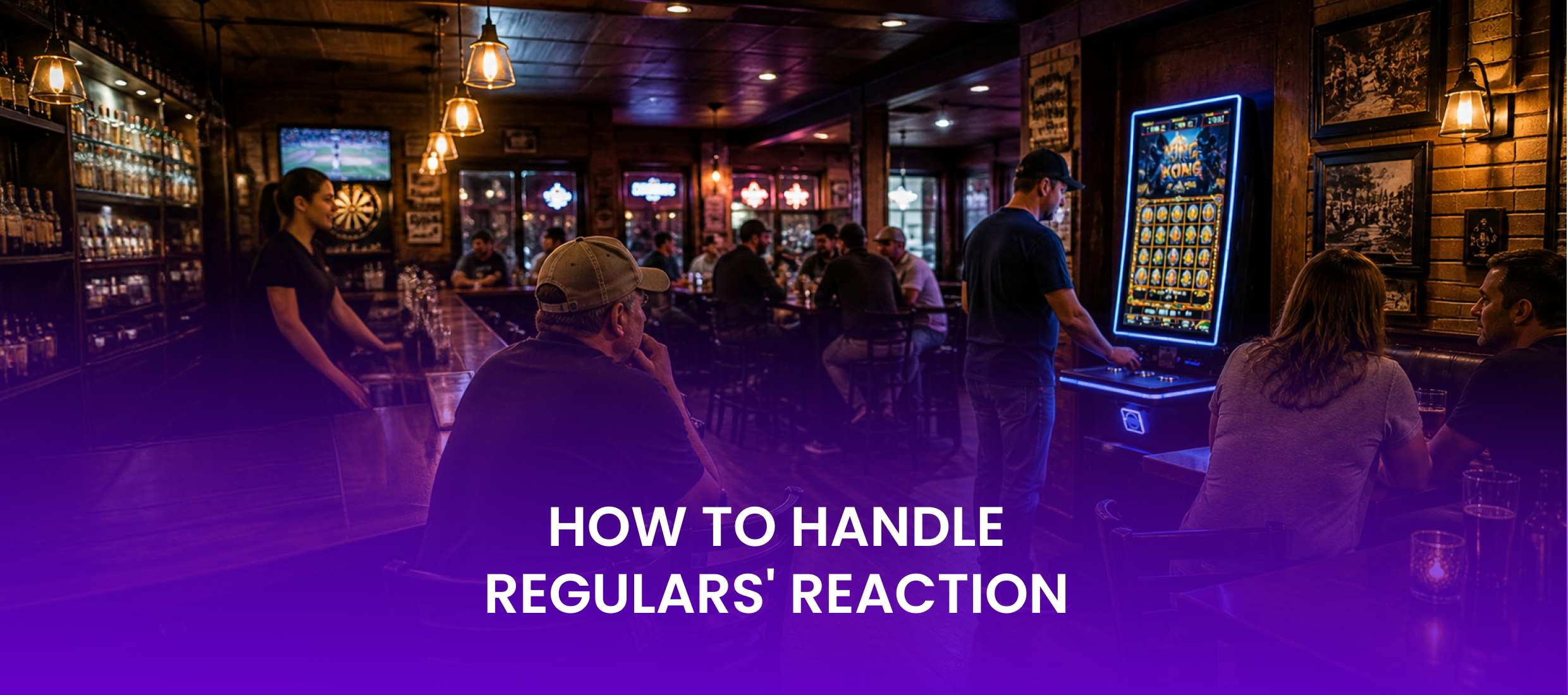
Don't be surprised if people just walk circles around the machines for the first few days. Your regulars are creatures of habit. They might not play right away. They will walk by, look at the screens, and maybe ask the bartender a question or two. They are just checking things out and seeing if this is something they want to try.
Week 2: Breaking the Ice
By day ten, the curiosity turns into action. This is where you see a real change in customer dwell time. You will see people actually sitting down and spending time in that corner that used to be empty. This is also the week when you might see some new faces who heard you have something fun to do.
The "One More Round" Effect
This is the part that helps your bottom line. A customer who usually has one drink and leaves might stay for ten more minutes to finish a game. That extra time often leads to a second drink or a snack.
You are watching your business cash flow improve just because people have a reason to stick around. It is a simple way to increase dwell time without running a "buy one get one" special that eats your profits.
Moving the Machines
Sometimes, by day ten, you realize the machine needs to move a few feet. Maybe the sun hits the screen at 4 PM, or it is too close to a loudspeaker. This is a small tweak that makes a big difference. It is the week when you find the "sweet spot" on your floor where people feel most at home.
Easing the Staff Burden
Your bartenders and waitstaff might worry they will have to act like tech support. Week two proves them wrong. Since you chose a vendor who knows Texas, the machines are built to be user-friendly. Your staff will see that the machines run themselves and will help your business stand out.
Week 3: Habit Formation and Social Buzz
Week three is where the "gaming" becomes a "hobby." Your patrons aren't just trying it out anymore. They are coming in specifically to play. This is when the machines stop being "new" and start being part of the daily routine for your regulars.
Creating Social Energy
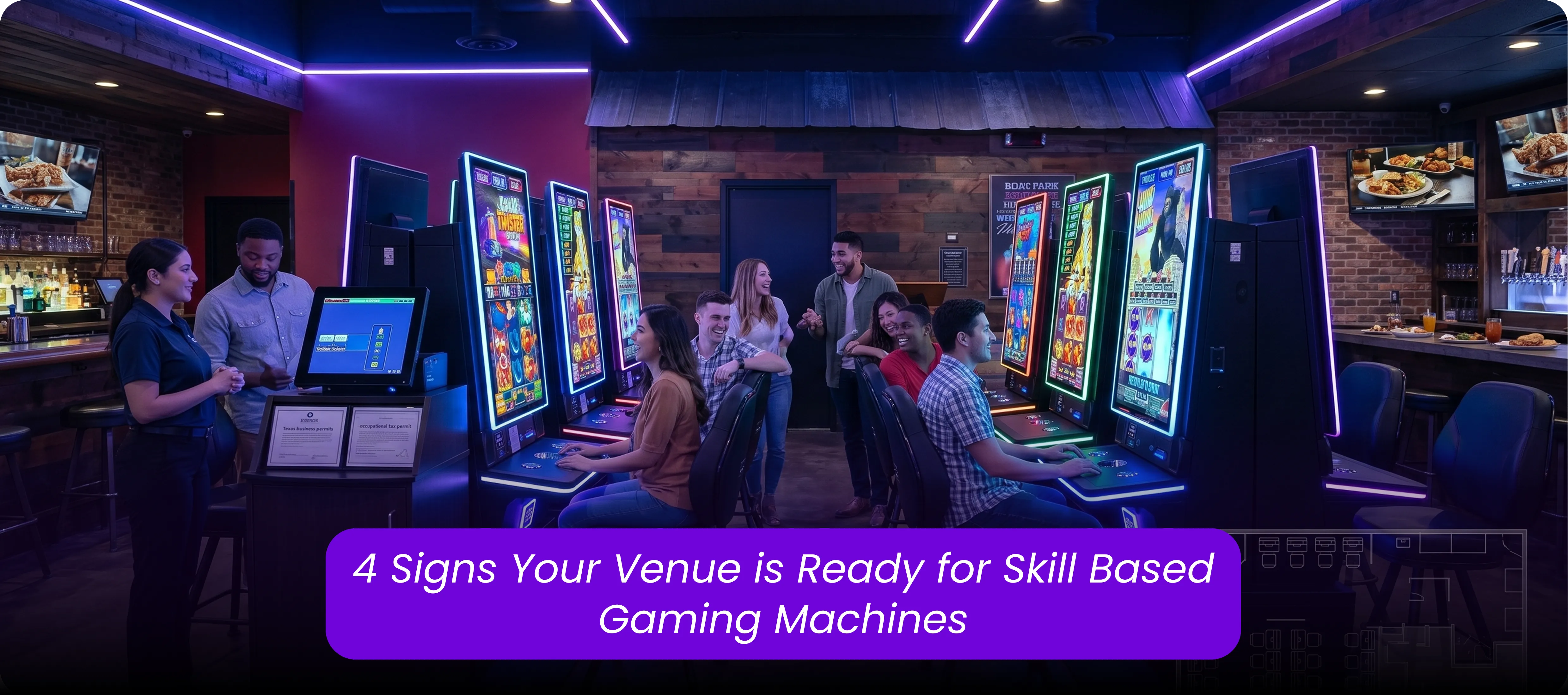
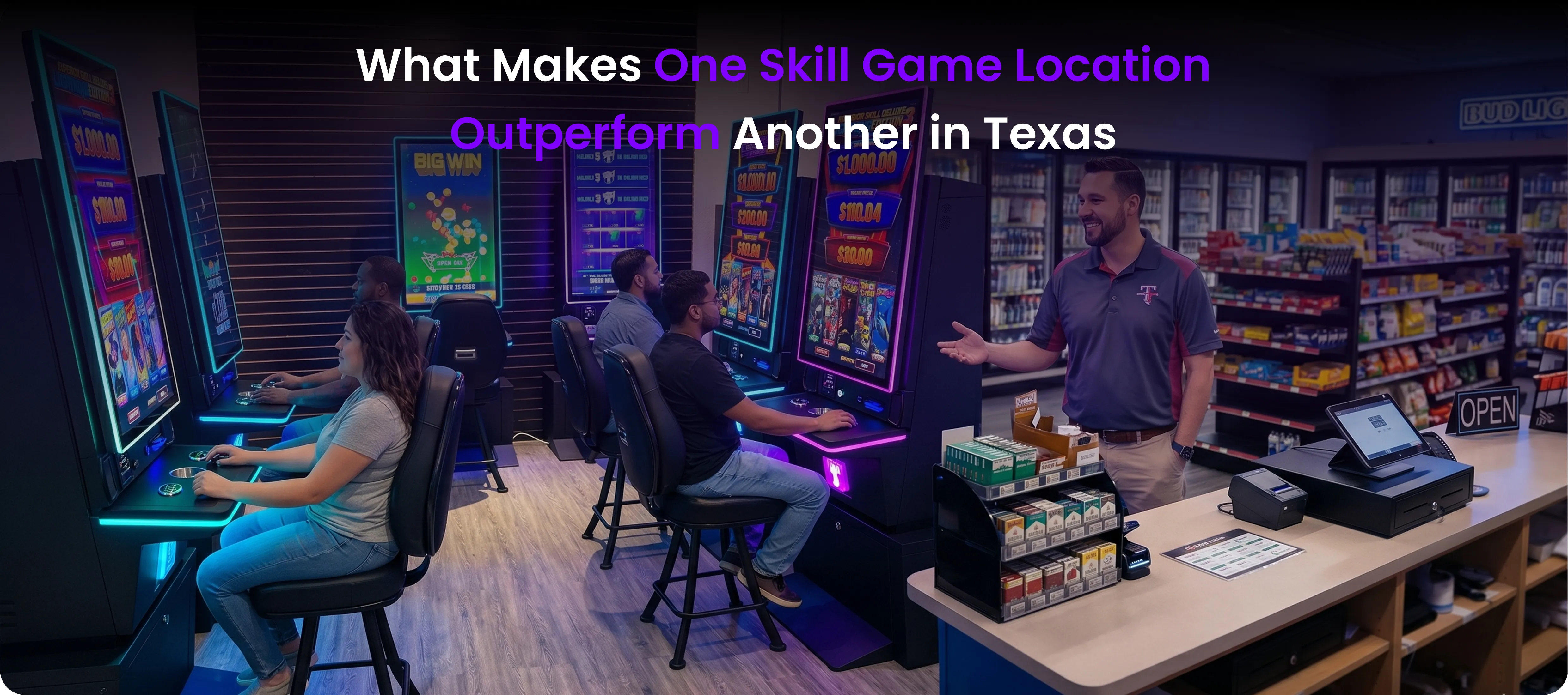
You’ll notice that people start to gather. One person playing often draws a crowd of two or three friends. Suddenly, that quiet Tuesday afternoon feels like a Friday evening. You might hear customers talking about their scores at the bar. This "social energy" is what makes a neighborhood bar feel like a destination. You are building a business that feeds itself.
Reliability and Support
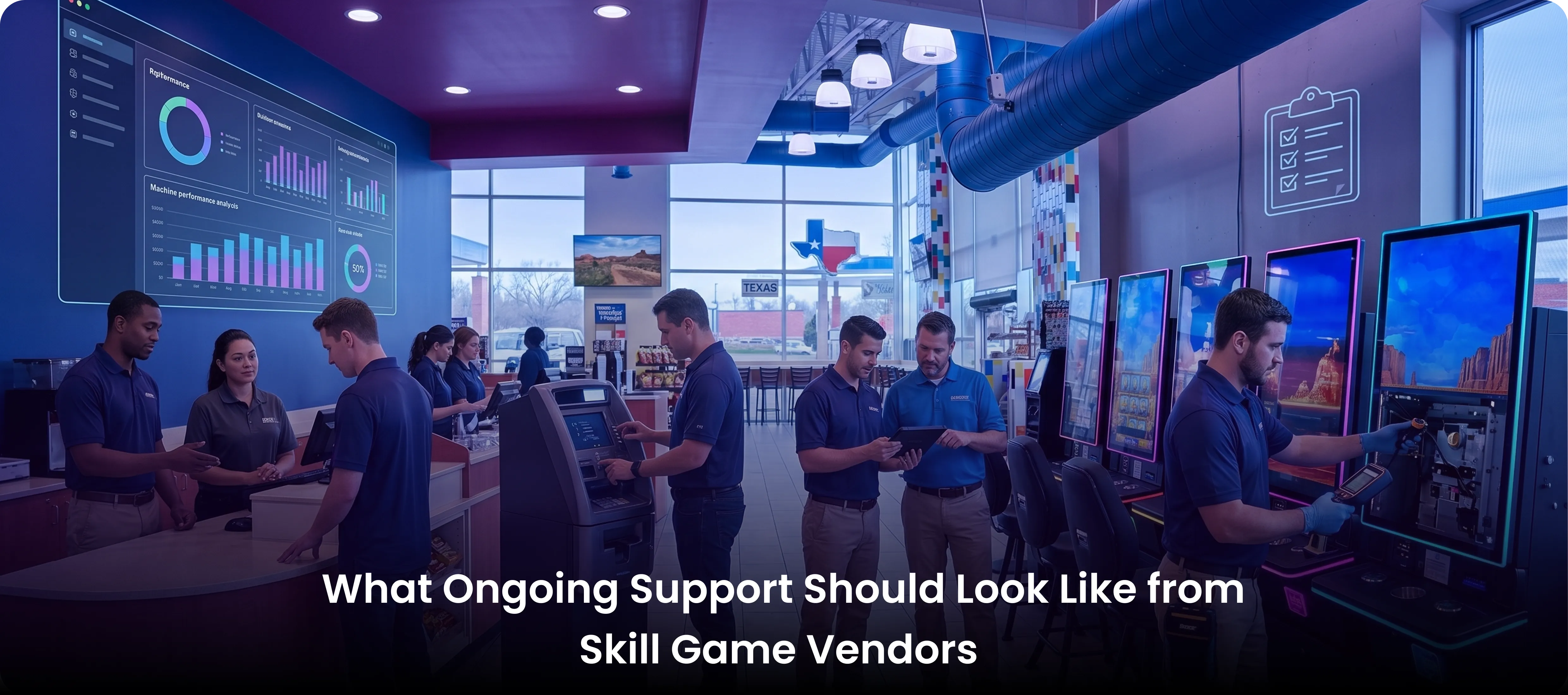
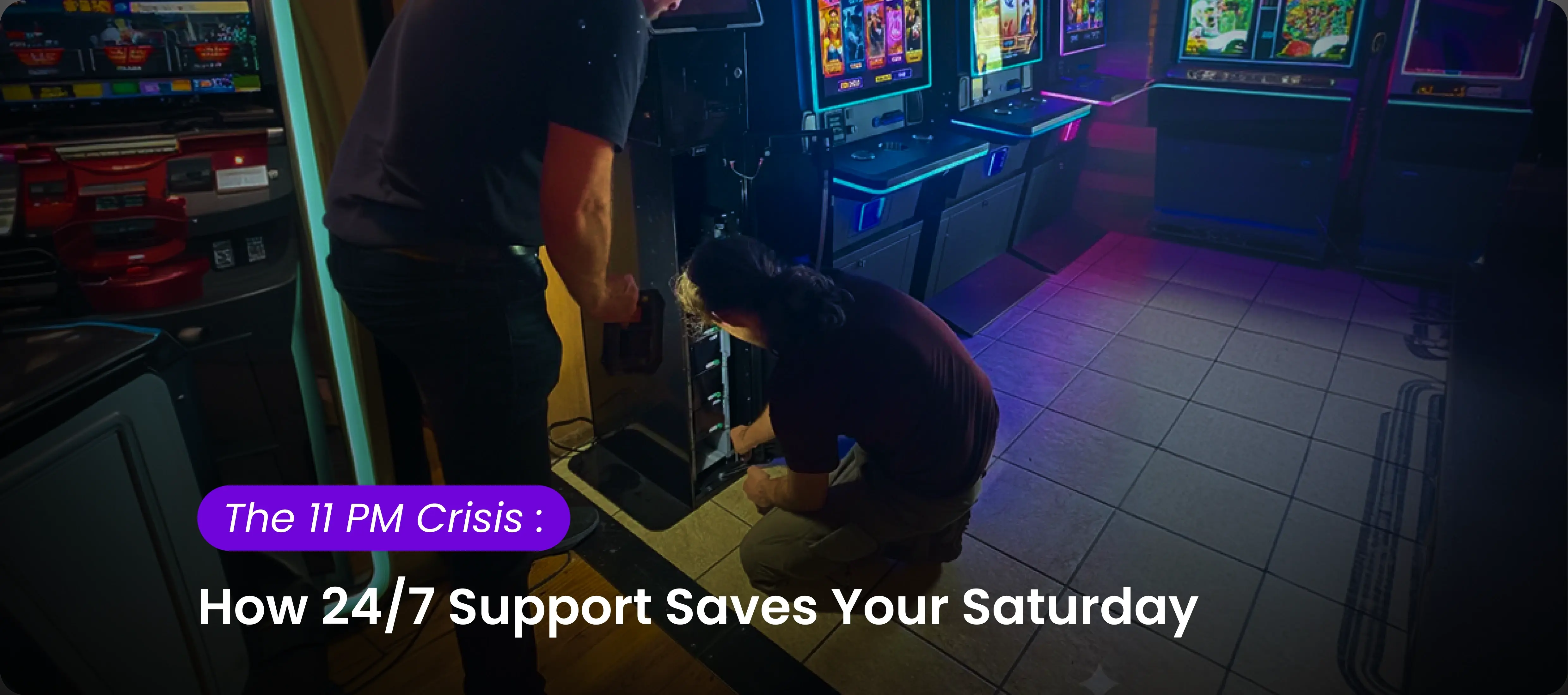
By now, the machines are getting plenty of use. If a question pops up or a machine needs a quick check, you aren't on your own. Having 24/7 support means you never have to tell a customer a machine is broken. This keeps your machine’s uptime at 100 percent. It allows you to stay focused on your customers while the tech stuff is handled by experts.
Week 4: The Revenue Reality Check
By the time you hit day 30, you aren't guessing anymore. You have the data. You can see the passive revenue on your books. It feels like "found money" because the machines did the work while you ran your business.
Analyzing the Bottom Line
When you look at your business’s cash flow, you’ll see the impact of those high-margin games. Unlike food or drink, there is no spoilage here. You don't have to count inventory or worry about things going bad. It is just a steady stream of income that helps you beat the small business squeeze.
Planning for More
Now that you see how well the floor layout works, you might realize you have room for more. Many owners start with two machines and realize by day 30 that their customers are waiting in line to play. This is the best time to look at your revenue-sharing model and see how to add another cabinet to the mix.
The Next Step: Finding the Right Partner
Now that you know what can happen within 30 days if you do choose skill games, the next step is finding someone to help you get started. You shouldn't have to guess about legal rulings or technical specs. A good partner handles the heavy lifting so you can focus on your guests. They should provide the essential knowledge and the support you need to succeed.
What the Right Partner Actually Changes
When you work with the right vendor, the first month is easy. They help with everything from tax decals and permits being in order to the final installation of machines.
We, at Peak Entertainment, make sure your only job is to watch your business grow and keep your customers happy.
Frequently Asked Questions
1. How much space do I really need?
In most cases, you only need a few square feet. We look at your retail floor space and help you find a spot that does not block your staff or your customers. We make sure the machines are visible but still give the players enough room to be comfortable.
2. Will my staff have to fix the machines?
Not usually. Good vendors provide support around the clock. If there is a problem, a tech handles it for you. This means your bartenders and clerks can keep making drinks and helping customers without having to learn how to be a mechanic.
3. How do I know I’m getting my fair share?
Transparency is a big deal in this business. In a good revenue-sharing model, you get clear reports. These reports show you exactly what the machines are making every single day. You will never have to guess about your money or how the machines are performing for your location.
4. Are these machines legal in Texas?
Yes, as long as they are true games of skill. We keep a close eye on rulings to make sure your venue stays compliant and safe. This gives you peace of mind so you can run your business without worrying about changing rules or surprise inspections from the city.
5. How fast can I see a profit?
Since there is no upfront cost in a revenue share, you are making money from the very first play. Most owners see a noticeable shift in their daily traffic and cash flow within the first two weeks as regulars discover the machines. It is one of the fastest ways to grow your revenue.
More Into
Announcements









Ready to partner with us?

