Behind the Rise of Gas Station Skill Games in Texas
Admin
August 25, 2026
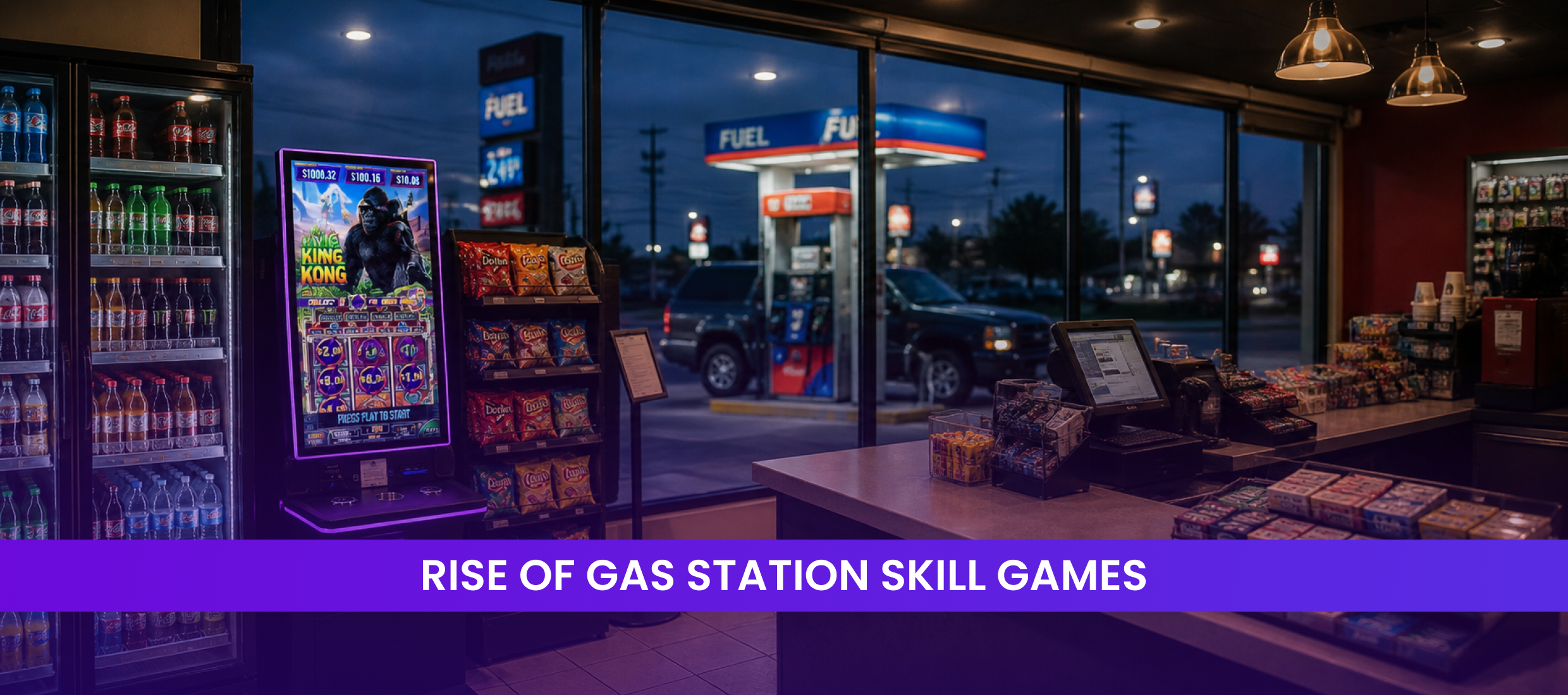
A truck idles at the pump for ninety seconds. He pays, grabs a drink, leaves. Two minutes, maybe less. That's most of what a gas station visit looks like in Texas.
Owners notice something else at other stores lately: a skill game machine parked near the register or the front window. More of them show up every year, from busy highway corridors to quiet neighborhood corners. Gas station skill games have become common enough across Texas that it's worth asking what's actually driving it, and whether it fits your store.
This isn't a trend to copy just because a competitor did it first. It's worth understanding the actual mechanism and the honest fit question before deciding anything.
Pressed for Time? The Gist on Gas Station Skill Games
- Short visits are the real problem. Most gas station stops last under two minutes, leaving nothing else to sell.
- Idle floor space is the opening. A corner by the register or window usually does nothing for the store.
- Fit depends on traffic, not the machine. An overnight store gets different value than a busy corridor location.
- There's no upfront cost to test it. A full-service partner like Peak Entertainment installs and maintains everything.
Why Gas Station Skill Games Are Spreading Across Texas
Fuel-only visits leave little time to sell. A driver pumps gas, taps a card, and pulls out. Nothing in that sequence gives the store a second chance at the sale.
Skill game machines target that exact gap, the same one behind how gaming machines turn waiting customers into buyers elsewhere in Texas retail. They sit in space that was already doing nothing for the store. Peak Entertainment places the machines this way, with the venue partner sharing in the revenue instead of carrying any equipment cost.
The trend isn't random. Owners are watching a slow month somewhere else on their block and asking what changed. Usually the answer is floor space that started earning instead of sitting empty.
Texas convenience stores compete on more than fuel prices now. Owners looking to increase convenience store sales have more levers to pull than price alone. A store that gives a customer a reason to walk in, even for two extra minutes, changes the outcome.
Highway-adjacent stores and busier corridor locations tend to see this first, simply because they get more raw visits to work with. A neighborhood corner store sees it too, just on a smaller scale tied to its own regular customers.
What the Machines Actually Do for a Store
A machine near the register turns a two-minute stop into something longer. Industry research on hospitality settings consistently links active, interactive entertainment to longer visits than passive options like a television. That's the mechanism behind gas station skill games, not a guarantee.
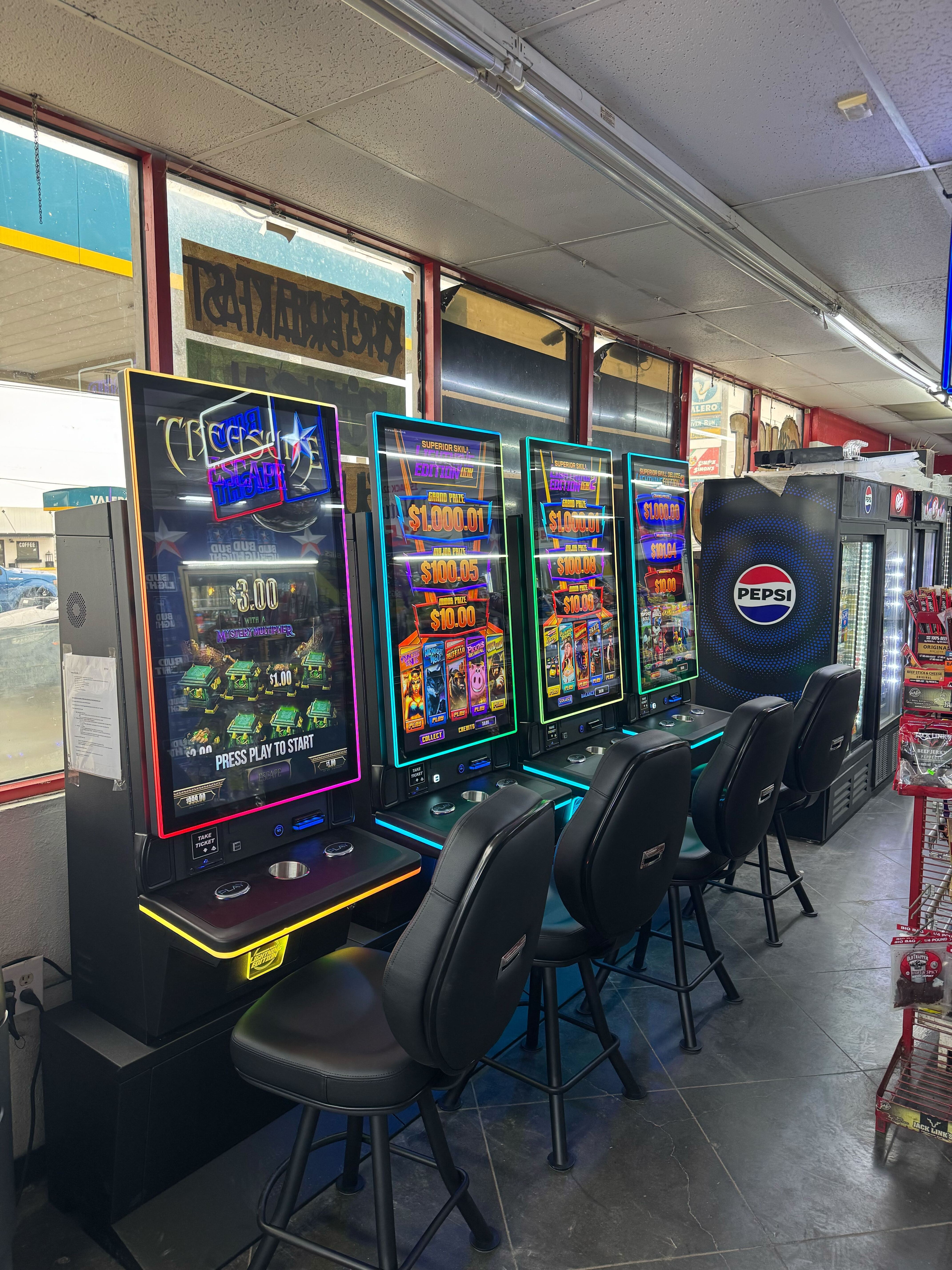
The screens themselves stay familiar rather than flashy. Titles like Red Hot Buffalo, King Kong, and Offshore Angler run on Peak's machine lineup, giving a driver something recognizable rather than a mystery box. A player interacts with the screen directly. That's the skill component the whole category depends on.
None of this requires an employee to manage anything extra. The machine runs on its own. Staff keep doing their normal job at the register, same as any other day.
The touchscreen cabinet, about 43 inches tall, is easy for a first-time player to figure out without help. There's no rulebook to hand someone at the counter. That simplicity is part of why the format works in a store people are only passing through.
Is This the Right Fit for Your Store?
Not every gas station gets the same value from a skill game machine. A store on a busy corridor with steady foot traffic has more raw visits to work with than one on a quiet stretch. Both can work, but it helps to know the signs your venue is ready before assuming either way.
Floor space matters just as much as traffic. A single machine near the window or register takes up a small footprint, so most stores can fit one without rearranging the layout. A store already tight on space near the counter needs a clearer plan before committing.
Quiet hours make the clearest case. A slow 10pm-to-6am stretch has customers walking past empty floor space with nothing to do while they wait. That's the exact window a skill game machine is built to fill.
Two stores with similar fuel volume can still get different results, which comes down to what makes one location outperform another. One sitting near an apartment complex with regular walk-in traffic has a different customer base than one mostly serving pass-through drivers on a highway exit. Neither is wrong for a machine. They just call for different expectations going in.
A store already crowded near the counter, with barely enough room for a cooler door to swing open, is the clearer case for waiting. Forcing a machine into a cramped layout undoes the point of adding one.
What Getting Started Looks Like
The first step is usually a quick look at the store itself: layout, traffic pattern, and where a machine could sit without getting in anyone's way. Peak's team handles that walkthrough first.
Installation itself is fast, and the owner doesn't manage any of the technical side. Updates, maintenance, and support all stay with Peak from that point forward. If you're still weighing the buy-versus-partner question, the owner's guide to buying machines walks through the full comparison.
The first 30 days with a machine tend to answer most of an owner's early questions about how it actually performs in their specific store. That's normal, and it's worth watching closely rather than judging too fast.
Ongoing support matters just as much as the install. An idle machine helps no one. Peak's team stays involved well past the first install date, handling maintenance and updates as part of the partnership.
How a Machine Fits Into a Normal Shift
A morning shift at a gas station runs on habit: restock the cooler, check the pumps, ring up coffee and gas. A skill game machine doesn't change any of that. It sits in its spot and runs on its own while the actual workday continues around it.
Weekend traffic looks different from a Tuesday morning, and the machine doesn't need adjusting either way. A busier shift means more glances at the screen near the register. A slower shift means the machine is simply there once someone finally has a minute to notice it.
Overnight is where it shows up most. A single attendant covering a quiet stretch has little to offer a bored customer beyond small talk. A machine gives that customer something to do without adding a single task to the attendant's list.
None of this asks an owner to rethink how the store runs. The machine adds an option. It doesn't add a process.
Where Peak Entertainment Fits In
An owner doesn't need to guess alone. Peak Entertainment works specifically with Texas convenience stores and gas stations, handling installation, maintenance, and support so the owner doesn't have to learn a new skill set. The conversation starts with a look at your specific store, not a sales pitch.
If the short-visit problem sounds familiar, it's worth a direct conversation about whether skill games make sense at your location. Reach out directly to talk through what that would look like for your store.
Peak works under a revenue-sharing model, so the store's floor space starts working without new equipment costs to plan around. Owners keep running their store as before. The machine is one more thing the location offers, not a new job for anyone on staff.
Frequently Asked Questions
1. Do skill games make sense at a gas station that's mostly quick fuel stops?
Often, yes. Fuel-only visits are exactly the short-dwell pattern skill games are built to extend, since the machine only needs a driver to notice it during the stop they're already making.
2. Will adding a skill game slow down the line at the register?
No. The machine operates independently of the checkout counter, so it doesn't add a step to paying for fuel or grabbing a drink.
3. Does a gas station need extra staff to run the machines?
No. A skill game machine doesn't require a dedicated attendant. Existing staff keep doing their normal job at the register while the machine runs on its own.
4. Is there an upfront cost to add skill games at a gas station or convenience store?
Not with a full-service partner like Peak Entertainment. The machines are installed and maintained as part of the partnership, with no equipment purchase required from the venue.
5. How much floor space does a machine actually need?
A single skill game machine has a compact footprint, similar to a vending machine. Most stores can fit one near a register or window without changing their existing layout.
6. What happens if a machine breaks down at the store?
Peak Entertainment handles service and repairs directly. An owner doesn't troubleshoot the machine themselves or wait on a slow response to get it running again.
More Into
Announcements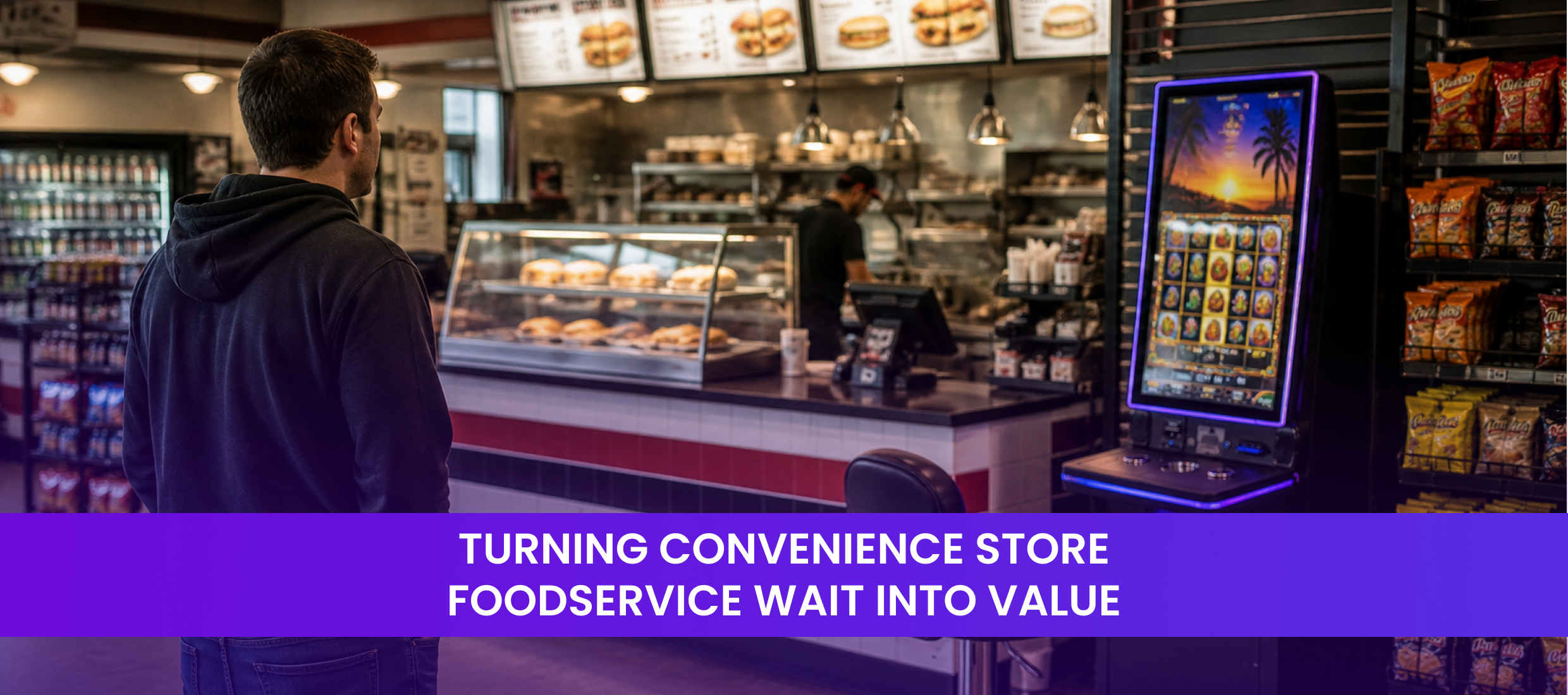
Turning Convenience Store Foodservice Wait Into Value
Convenience store foodservice keeps growing because customers want it.
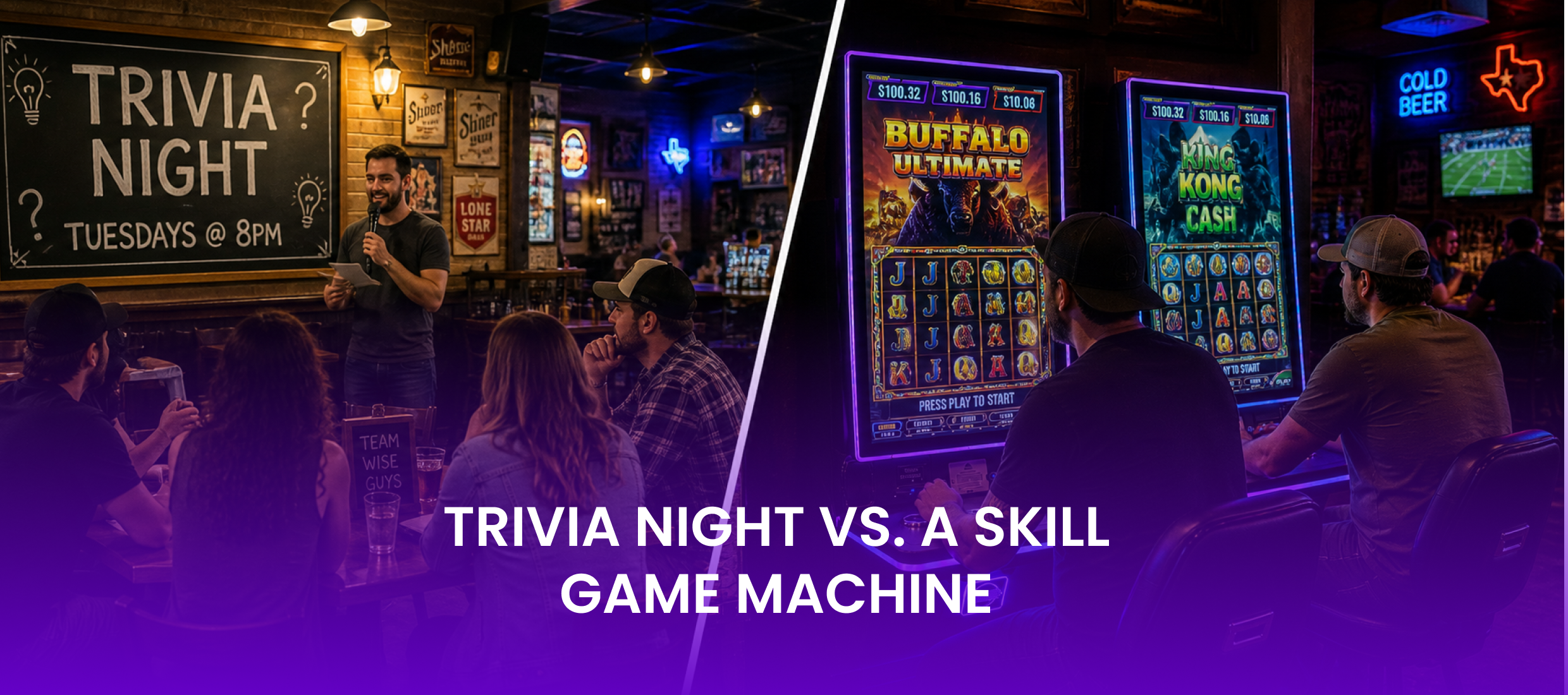
Trivia Night vs. a Skill Game Machine: What It Really Costs
Every slow-night article says the same thing: run trivia.
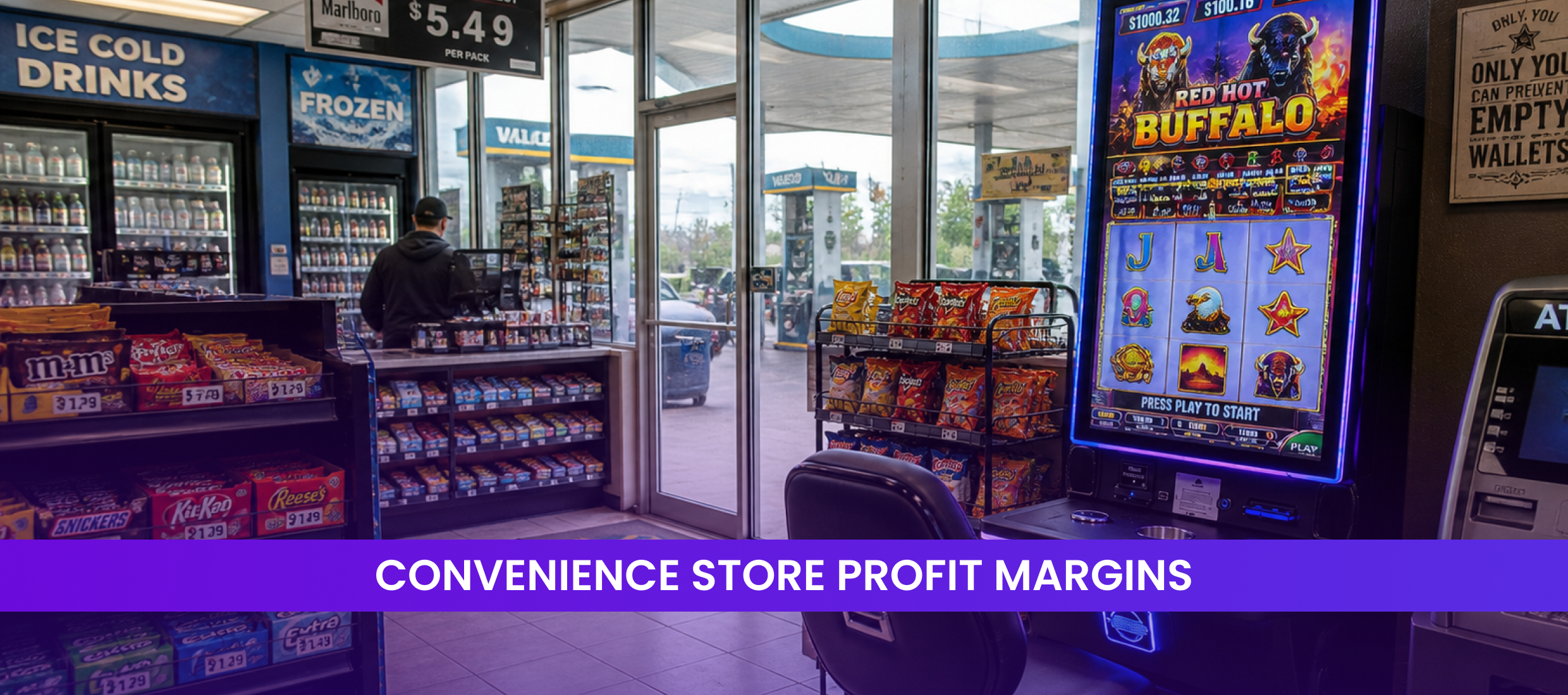
Why Convenience Store Profit Margins Depend on Experience
A rival's price sign drops ten cents overnight. You can't match it and stay open.
Every Dead Corner Idea for Texas Bars, Ranked and Compared
That corner by the hallway sits empty every night. A pool table used to be there. Nobody replaced it
Improving Workplace Culture: Managing Burnout in Texas Bars
Running a single-location bar or retail spot in Texas is a high-stakes balancing act.
Stop Micromanaging: Guide to Bar Manager Duties and Responsibilities
Move from constant supervision to strategic oversight in three distinct phases.

Seating for Success: How Bar Stool Comfort Drives Sales
Bar stool is a piece of equipment that can simultaneously speed up a tab or kill a customer’s night.

Reclaiming Your Sanity: The Texas Owner’s Anti-To-Do List
True leadership is not about doing every job. It is about building a machine that runs without you.

Is it Time to Expand? 5 Signs You're Ready to Grow Your Business
Thinking about opening a second location?

How to Make Your Business Stand Out in a Crowded Texas Market
This guide will show how to make your business stand out by uncovering the unique advantage you have

Service vs. Hospitality: The Secret to Customer Loyalty
Is your business a vending machine or a living room?
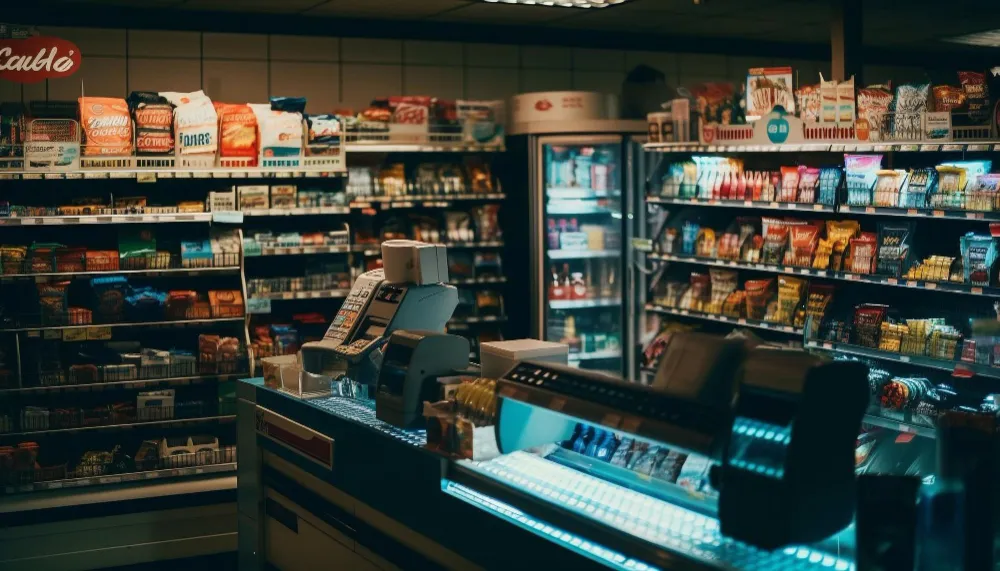
How to Increase Convenience Store Sales: A Texas Owner's Guide
If you want to understand how to increase convenience store sales, you must plug that leak.

The "Flow State" Secret to Keeping Customers Longer
That blue light is the single biggest drain on your per-patron revenue, and it’s time to fight back.

A Texas Bar Owner's Guide to Conquering Business Owner Burnout
That feeling of constant exhaustion, cynicism, and the nagging sense that you have to do everything.

How a Skill Game Machine Brings in New Faces (Not Just Regulars)
If you run a bar or restaurant in Texas, you know the comfort of familiar faces.

Is Skill-Based Gaming Right for Your Business? Get the Answer Now.
It’s easy to think skill-based gaming machines are a slam-dunk for every Texas business.
How Skill-Based Gaming Fits Naturally Into Bar Culture
Skill machines are popping up in local venues, and they’re not just earning attention.
Skill-Based Gaming in the Inflation Era: Earn Passive Revenue
Inflation continues to hit small and mid-sized businesses hard.

Why Skill Based Gaming Machines Are Boosting Guest Retention
Businesses across Texas, especially in Dallas, are turning to a modern solution: skill-based gaming
Truck Stops Are the New Hotspot for Texas Skill Games
Across Texas, truck stops are evolving into prime destinations for skill-based gaming
How Gaming Machines Can Turn Waiting Customers into Buyers
The concept: often called "dwell time", play a major role in sales psychology.
Inside Slot Machines: Mechanics & Winning Potential
Did you know that modern slot machines process over 1000 mathematical calculations per second?
How Gamification Transforms Hospitality for Small Businesses
Gamification has emerged as a game-changer in the hospitality industry.
Ready to partner with us?

Contact
(+1) 855-484-1400
contact@peakentertainment.com
sales@peakentertainment.com
Follow us


Peak Entertainment © All Rights Reserved • Terms of Use • Privacy Policy