
What Makes One Skill Game Location Outperform Another in Texas
Admin
May 05, 2026
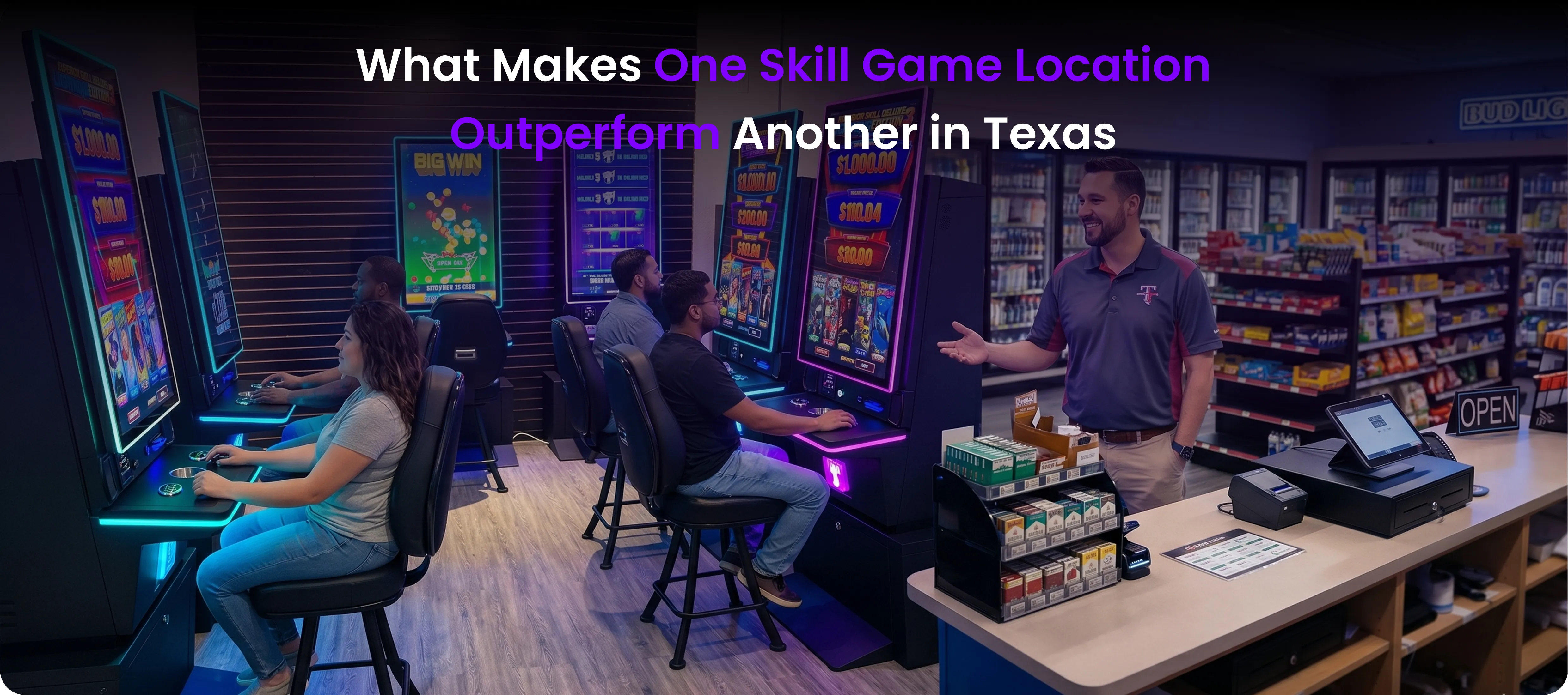
Two bars on the same street in Fort Worth can have the same equipment, but one pays the mortgage with the revenue while the other just collects dust. It is a common sight across the state.
One owner is constantly checking their reports with a smile, while the other wonders if the machines were worth the floor space. This gap in performance is rarely about luck or the neighborhood. In the venue world, outperformance is the result of a deliberate strategy rooted in floor-plan psychology and operational discipline.
If you are looking for new small-business revenue streams, you have likely realized that the machine itself is only half the equation. The other half is how you manage the environment around it. Successful Texas owners treat their gaming area like a high-yield retail department rather than a set it and forget it utility. When you stop hosting machines and start managing a destination, the numbers change.
TL;DR: Why do some Texas skill games’ locations earn more than others
- Strategic Zoning: Putting machines in high-traffic breezeways actually discourages play because players feel exposed.
- The Dwell Time Link: High-quality skill based gaming machines act as an anchor that keeps customers in the building longer.
- Operational Friction: A lack of professional retail space management leads to stagnant revenue and neglected equipment.
- The Partnership Factor: Working with Peak Entertainment removes the guesswork from layout, maintenance, and compliance.
The Visibility Paradox: Why Your Best Spot Might Be Your Worst
Most owners assume that the highest-traffic area in the building is the best place for a machine. They wedge a cabinet between the front door and the jukebox, thinking the sheer volume of eyes will lead to more play. This is the Front Door Trap, and it is the fastest way to kill your earnings.
Think about the player's mindset. A person engaging with skill games wants to focus. They want to be part of the room without being the center of attention. When you place a machine in a high-traffic zone where people are constantly bumping into their stool or catching a cold draft from the entrance, the player feels vulnerable. They feel watched. This psychological friction causes them to cash out early or avoid the machine entirely.
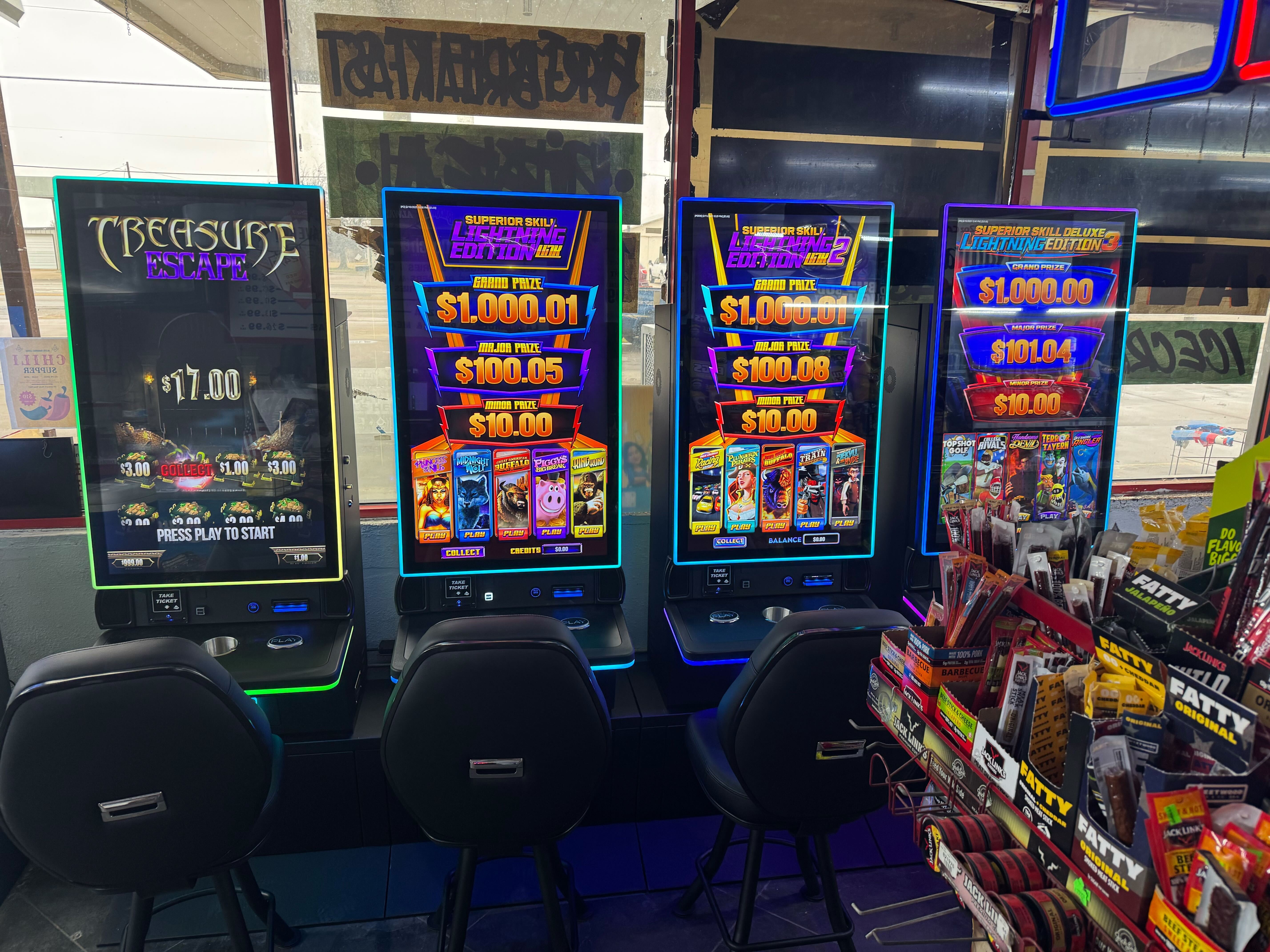
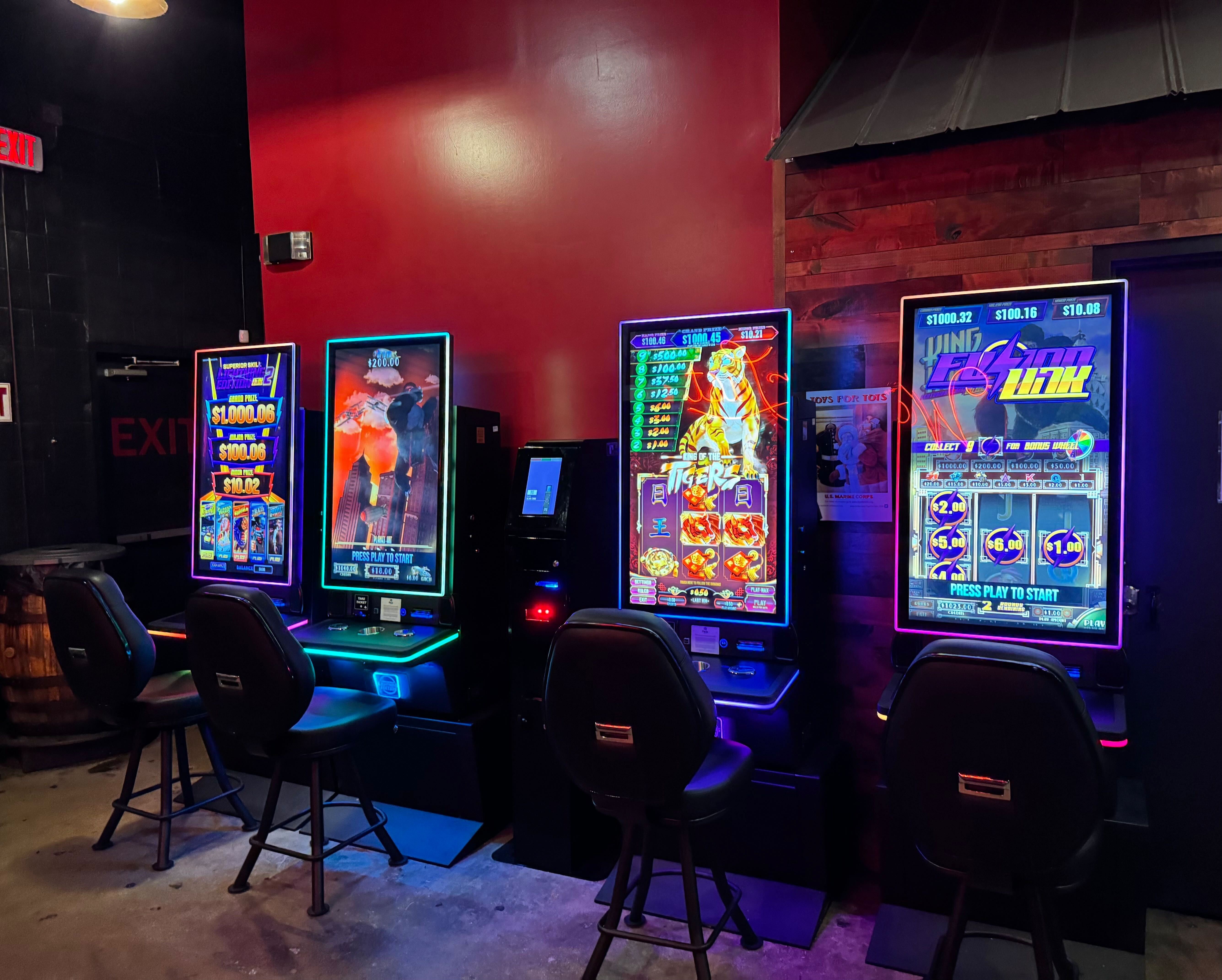
Top-performing locations use a Line of Sight rule instead. The machine should be visible to your staff, the bartender, or the clerk, so they can provide service and maintain safety. However, it should be shielded from the general chaos of the entrance. If a player has their back to a wall and a clear view of the room, they feel secure. This peripheral comfort is what allows them to relax and stay for another round. If you want to make your business stand out in a crowded market, you have to prioritize the player's experience over simple visibility.
Leveraging Retail Space Management to Protect Your Bottom Line
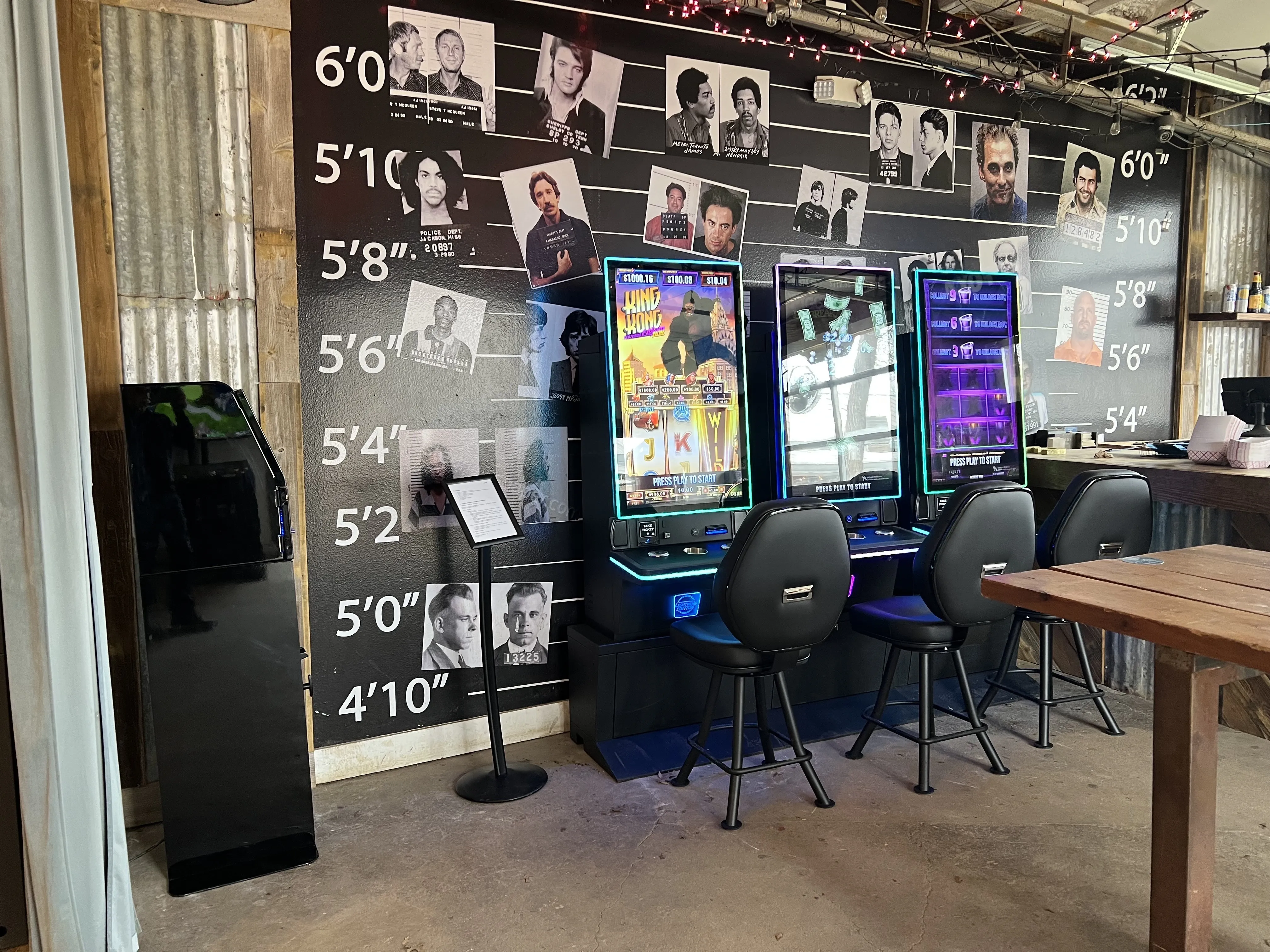
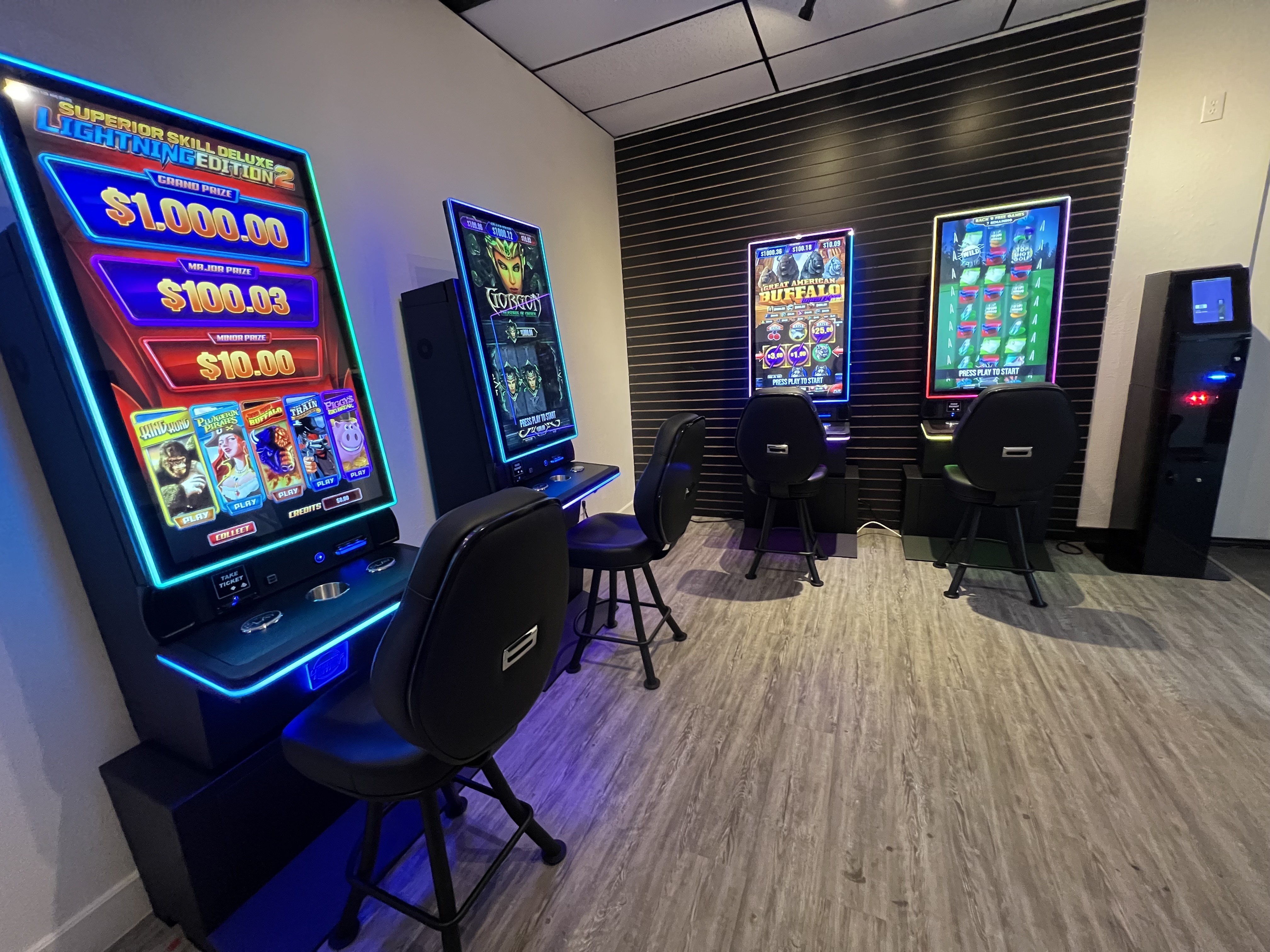
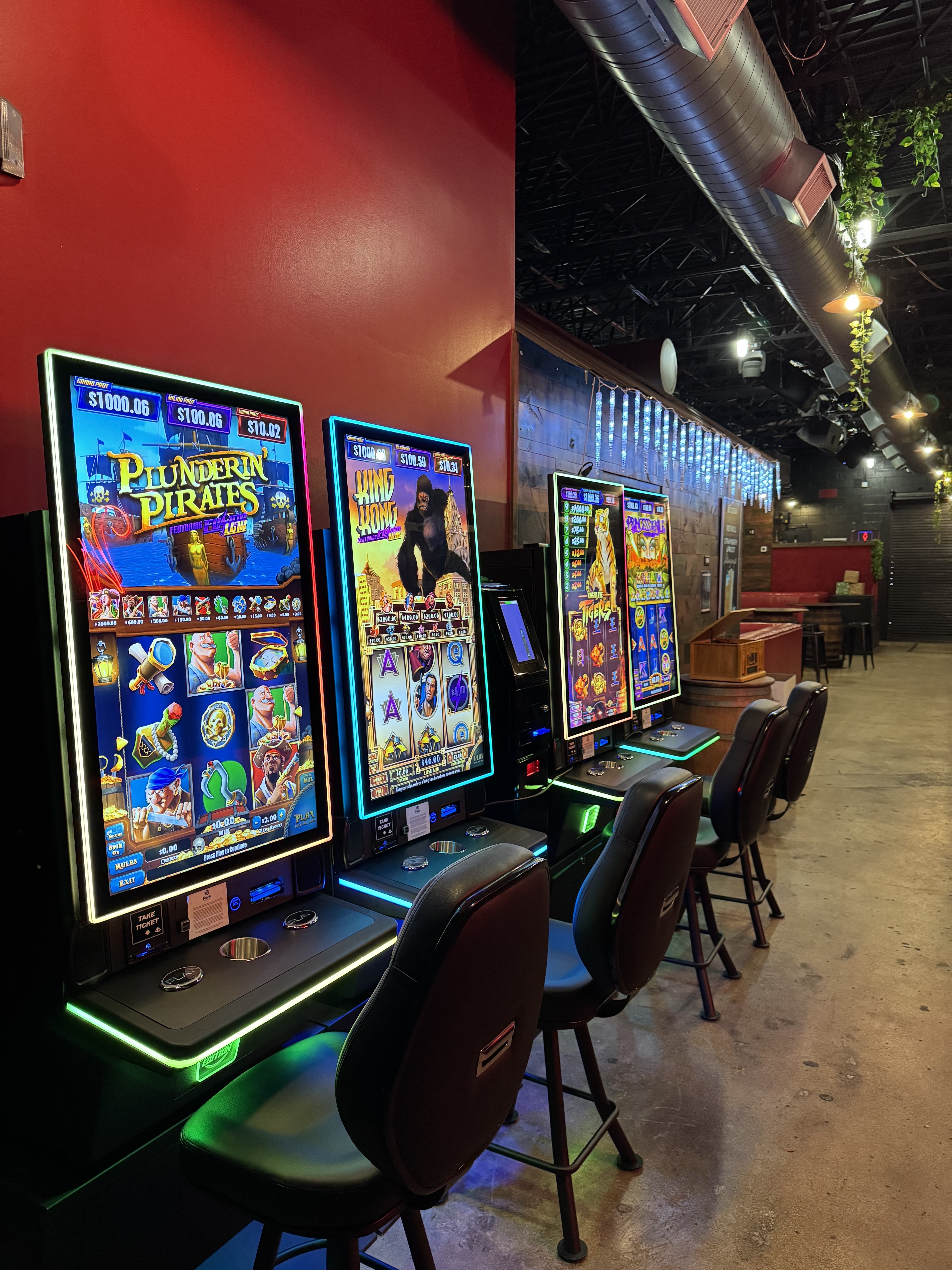
If you want to move the needle on convenience store profit margins, you have to master the art of the niche. You do not need a massive renovation to create a destination. You just need to define the space. Successful operators look for underutilized square footage: back walls, side alcoves, or corners past the pool tables- and turn them into a gaming zone.
This is where professional retail space management comes into play. It is about more than just where the box sits. It is about the atmosphere of those ten square feet. If the overhead lighting is too aggressive, it creates a glare on the screen. If the music is blaring directly above the cabinet, the player cannot hear the game's feedback. Top earners dim the lights in the gaming niche and ensure the sound levels are balanced. These subtle shifts signal to the customer that this area is different from the rest of the bar. It is a place to linger.
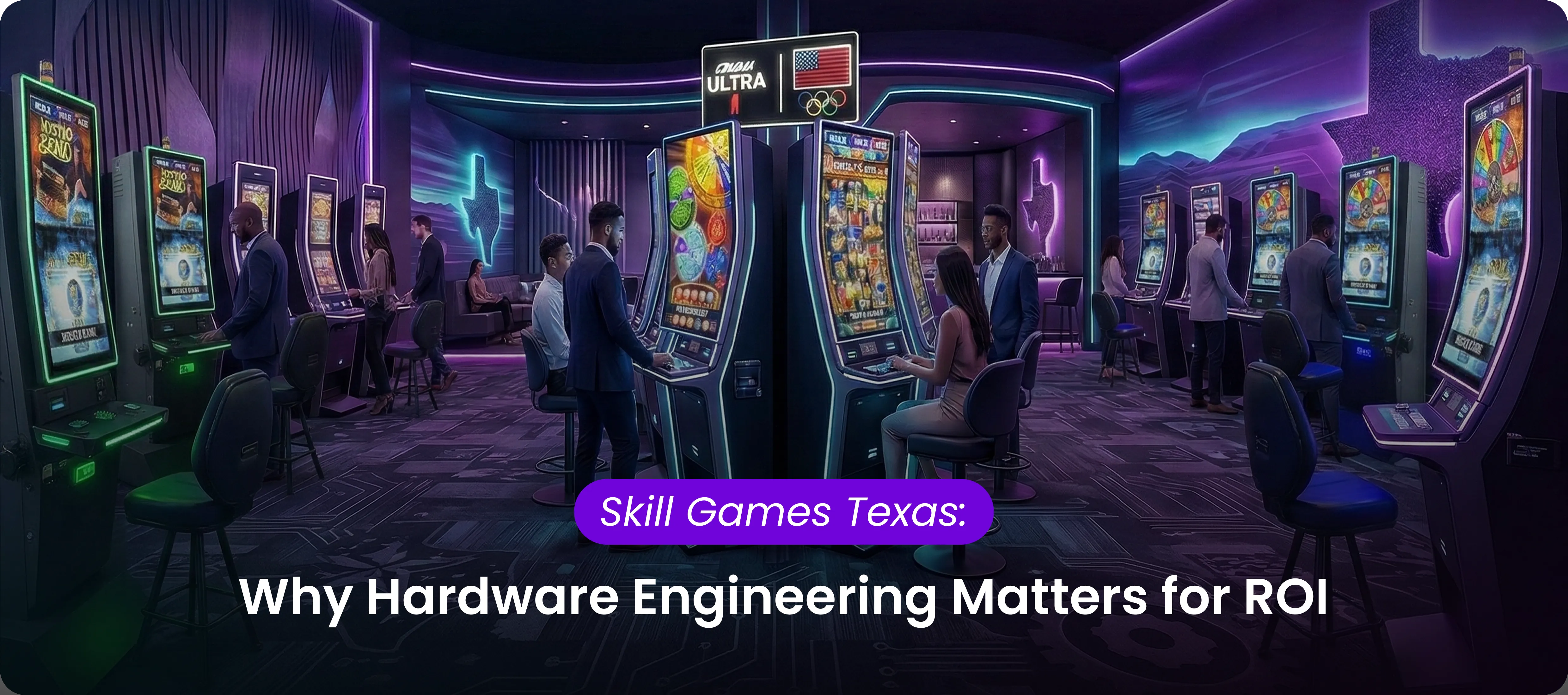
Consider the slow Tuesday shift. In a standard venue, a customer might have one drink and head home. In a venue with a dedicated, comfortable gaming niche, that same customer often stays for an hour or more. That extra time is a revenue multiplier. It is an extra beer, a basket of wings, and a reason for them to come back next week. Understanding how hardware engineering matters for ROI helps you see that the physical environment is just as important as the software inside the machine.
The Impact of Skill Based Gaming Machines on Customer Loyalty
The beauty of skill based gaming machines is their ability to act as a social anchor. In the Texas market, regulars look for consistency. They want to know that their favorite machine is clean, functioning, and in the same spot every time they walk in. This consistency is the backbone of retail customer retention.
Reliability is a major growth strategy. If a machine is down for even one night, you are not just losing that night's revenue. You are breaking the habit of your loyal players. They will go down the street to see if the competition has their act together. This is why the business owner's field manual to Texas skill games emphasizes technical uptime. A flickering screen or a sticky button is a direct hit to your reputation.
There is also a Secondary Spend effect that owners often overlook when boosting restaurant sales. When a group of friends gathers around a machine, they are not just playing. They are occupying a table. They are ordering rounds. The game is the reason they are there, but your kitchen and bar are the beneficiaries of that extended stay. Outperforming locations recognize that the machine is the engine that drives the rest of the house.
The Strategic Advantage of Professional Skill Game Vendors
The biggest difference between a high-performing location and a stagnant one is the quality of the partnership behind the equipment. Any vendor can drop a cabinet on your floor. But a vendor is not a strategist. If you are tired of guessing which corner will earn the most, you need to ask vendors before you choose to ensure they actually understand your business model.
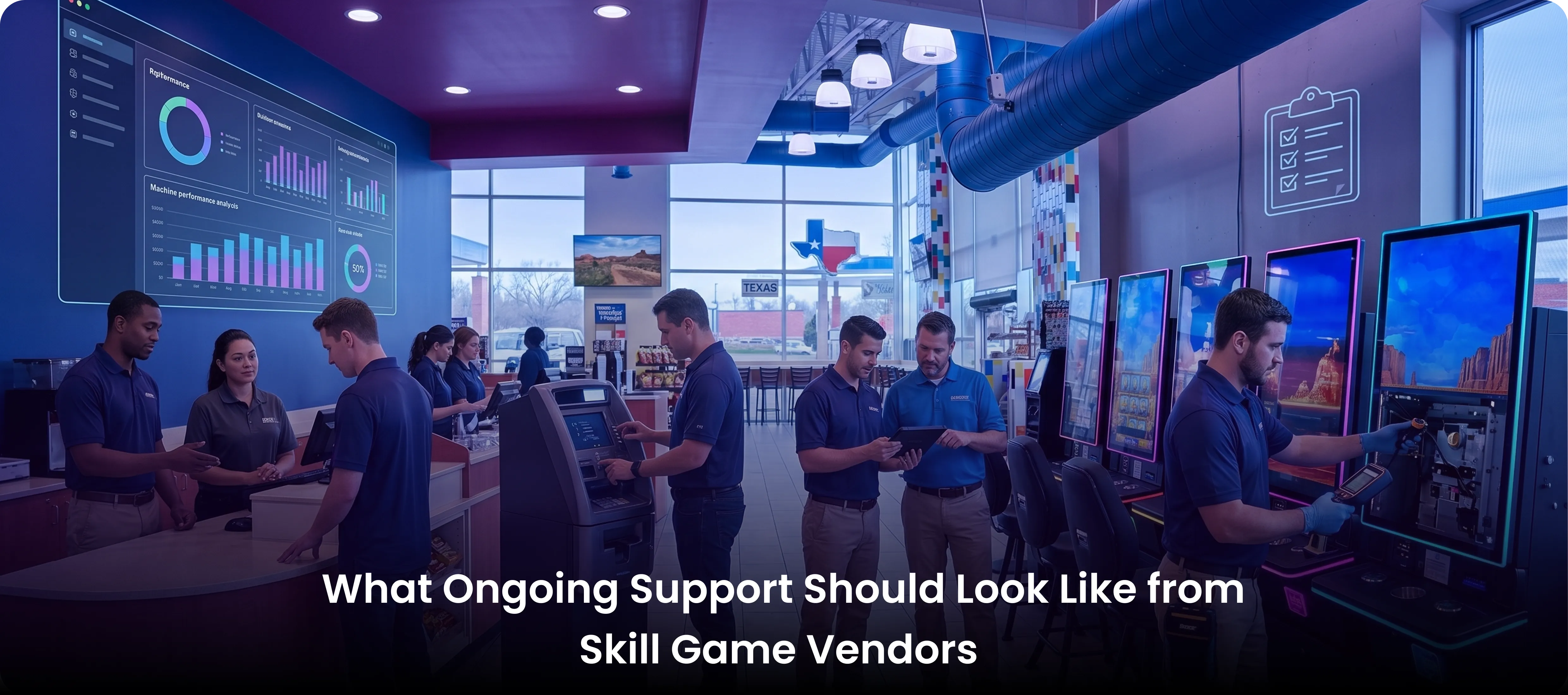
At Peak Entertainment, we do not just provide skill game machines. We provide a consultancy service that covers the why behind the where. We look at your floor plan to identify revenue leaks. We handle the technical maintenance so your staff does not have to. Most importantly, we manage the compliance and cash logistics so you can focus on your customers.
Delegating the heavy lifting allows you to remain the owner, not the technician. When you have a partner who is just as invested in your convenience store profit margins as you are, the operational friction disappears. You get the revenue without the headache. You can explore our full range of specialized services to see how we help independent owners scale their entertainment offerings.
What This Means for Your Location
Turning a low-performing location into a high-earning one does not require a miracle. It requires a shift from being a machine host to becoming a performance venue. By prioritizing player privacy, optimizing your lighting, and ensuring your equipment is always in top shape, you build a loyal base that ignores the competition.
Stop looking at your unused floor space as a cost. Start looking at it as your most flexible asset. A few small changes to your layout this week can be the difference between a machine that pays for its own electricity and one that pays for your next expansion.
Your Partner in Success
Success in the Texas market is about more than just the games. It is about the strategy, the support, and the partnership that keep your floor active. If you are ready to see what a professional approach can do for your bottom line, get in touch with our team today. Let us help you turn your square footage into your strongest revenue driver.
Frequently Asked Questions
1. How much floor space do I really need for skill games machines?
Usually, a single cabinet requires about 10 to 15 square feet of dedicated space. This includes the machine itself and the room needed for a player to sit comfortably on a stool without blocking foot traffic.
2. Will adding gaming machines in Texas distract my staff from their main duties?
Not usually. Modern gaming machines in Texas are designed for high reliability and autonomous operation. Your staff only needs to ensure the area remains clean and notify your service provider if a technical issue arises.
3. Why is the front of the store considered a bad spot for player engagement?
In most cases, players avoid entrances because high-traffic areas create a feeling of exposure. Players prefer a semi-private spot where they can focus on skill-based gaming without being interrupted by every customer entering the building.
4. How does retail space management affect convenience store profit margins?
It depends on how you utilize dead zones. By placing high-earning machines in underused corners, you turn non-productive square footage into a high-margin revenue stream that supplements traditional retail sales.
5. What is the biggest factor in retail customer retention for game rooms?
Consistency is the primary driver. Players return to places where machines are well-maintained. The lighting feels comfortable. They know they can enjoy skill-based gaming without equipment downtime.
6. Do I need a specific permit for skill-based gaming machines?
Yes. Municipalities in Texas retain discretion on permitting. Owners must comply with both local and state regulations regarding machines and occupation tax permits.
More Into
Announcements









Ready to partner with us?

