
What the Fannin Ruling Means for Texas Skill Gaming
Author
July 23, 2025

A Court Ruling That’s Changing the Game
In April 2025, the Sixth Court of Appeals in Texarkana delivered a powerful message: when games reward skill, not chance, they are not gambling under Texas law. This was the outcome of the Fannin County case, where five seized gaming machines were ruled compliant under Section 47.01(4) of the Texas Penal Code. The decision upheld that these machines depended on player skill and were not considered illegal gambling devices.
For businesses across Texas, this decision is more than just a legal precedent; it’s a green light to expand skill-based gaming operations confidently, as long as they follow municipal guidelines.
What Was the Fannin County Case About?
The State of Texas attempted to classify five machines as illegal gambling devices. But the appellate court sided with the trial court: a skilled player could consistently win, proving the game outcomes weren’t random. No chance-based RNGs. And, no association with gambling. This ruling led to the return of both the machines and the associated funds, confirming their alignment with Texas legal precedent.
Why This Matters for the Texas Skill Gaming Industry
- It affirms skill-based design matters: Machines that rely on player input, reaction time, or decision-making now have legal backing in northeast Texas.
- It reinforces compliance over speculation: Businesses must still ensure their machines are designed in line with municipal and state guidelines—this decision doesn’t mean blanket approval across Texas.
- It supports local vendors and venue owners: From video gaming terminals in hospitality to skill game machines for convenience stores, the market has clearer footing.
This is not just about legality, it's about confidence and clarity.
The Key Distinction: Skill vs. Chance
Skill-based machines demand ability. Whether it's memory recall, pattern recognition, or reaction time, the player’s decisions directly affect the outcome.
Contrast that with chance games, which use RNGs and remove player influence. That’s where the law draws the line. And that’s why the Fannin ruling matters: it officially reinforces that games of skill, not games of chance, can operate under Texas law, if properly structured.
This guide on the difference between skill games vs slot machines further clarifies how these machines differ and why that difference is important.
Who Benefits from This Ruling?
1. Local Business Owners
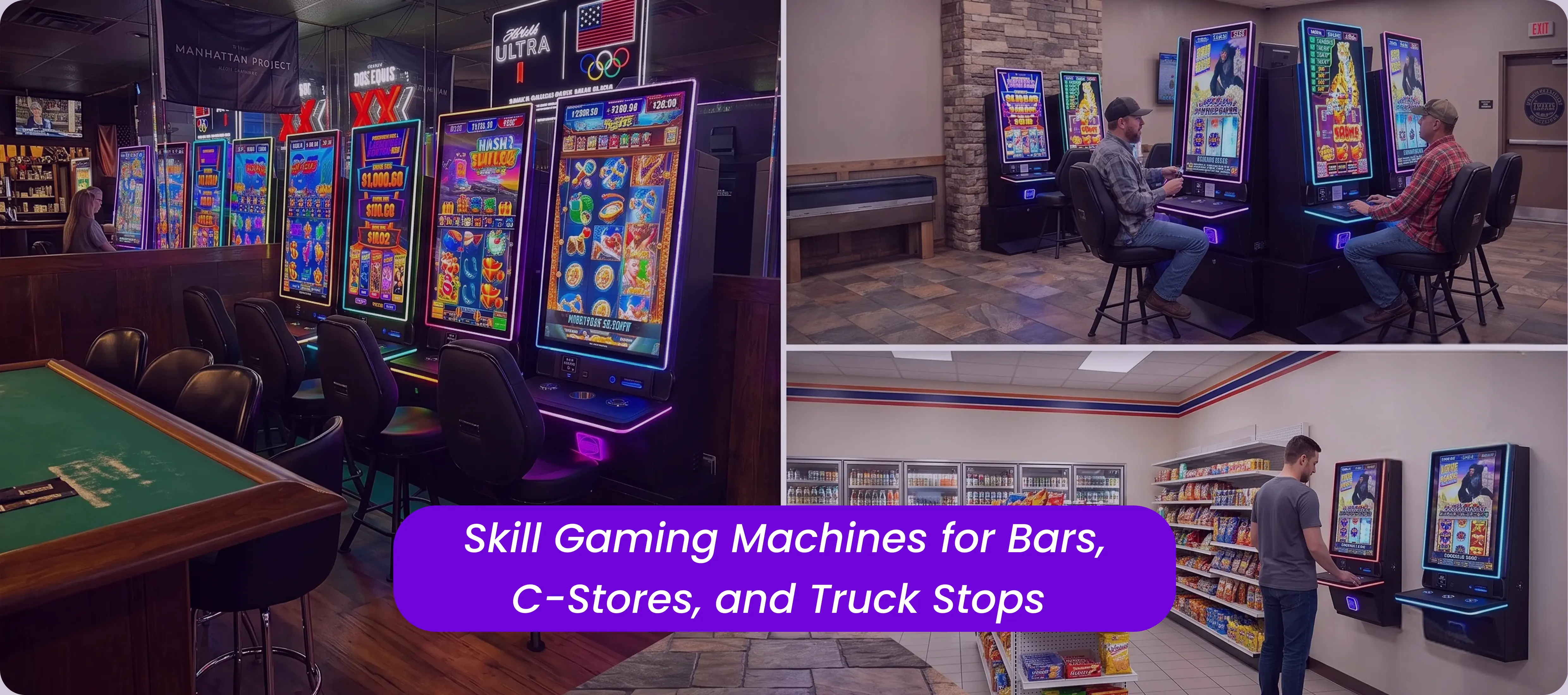
From hospitality venues to convenience stores, skill-based machines help increase dwell time, drive engagement, and enhance the customer experience.
2. Terminal Operators
Operators can now highlight a compliant skill-based offering, further differentiating from chance-based competitors.
3. Players
Players gain peace of mind knowing the games are fair, engaging, and challenge their actual ability, not just by chance.
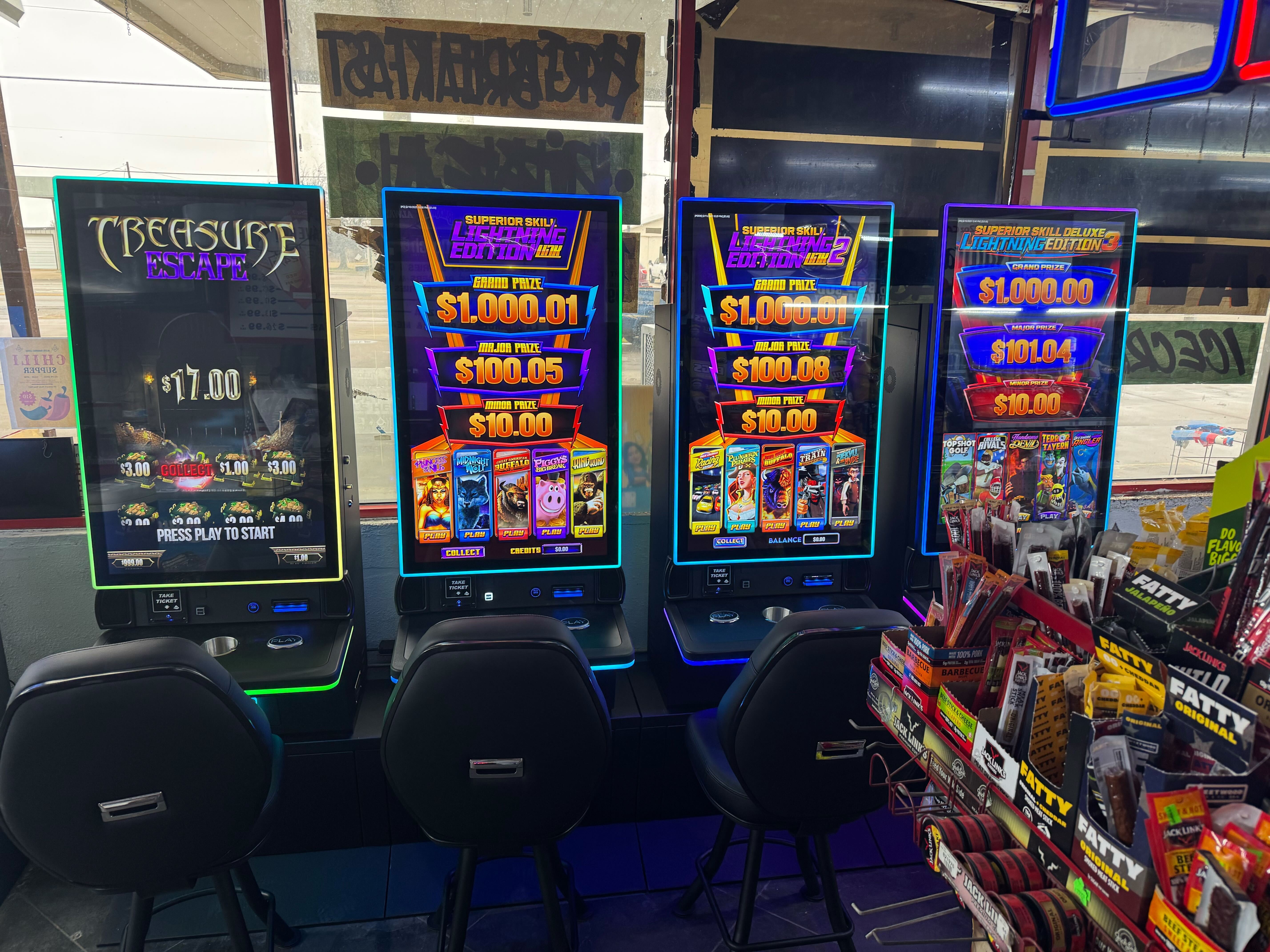
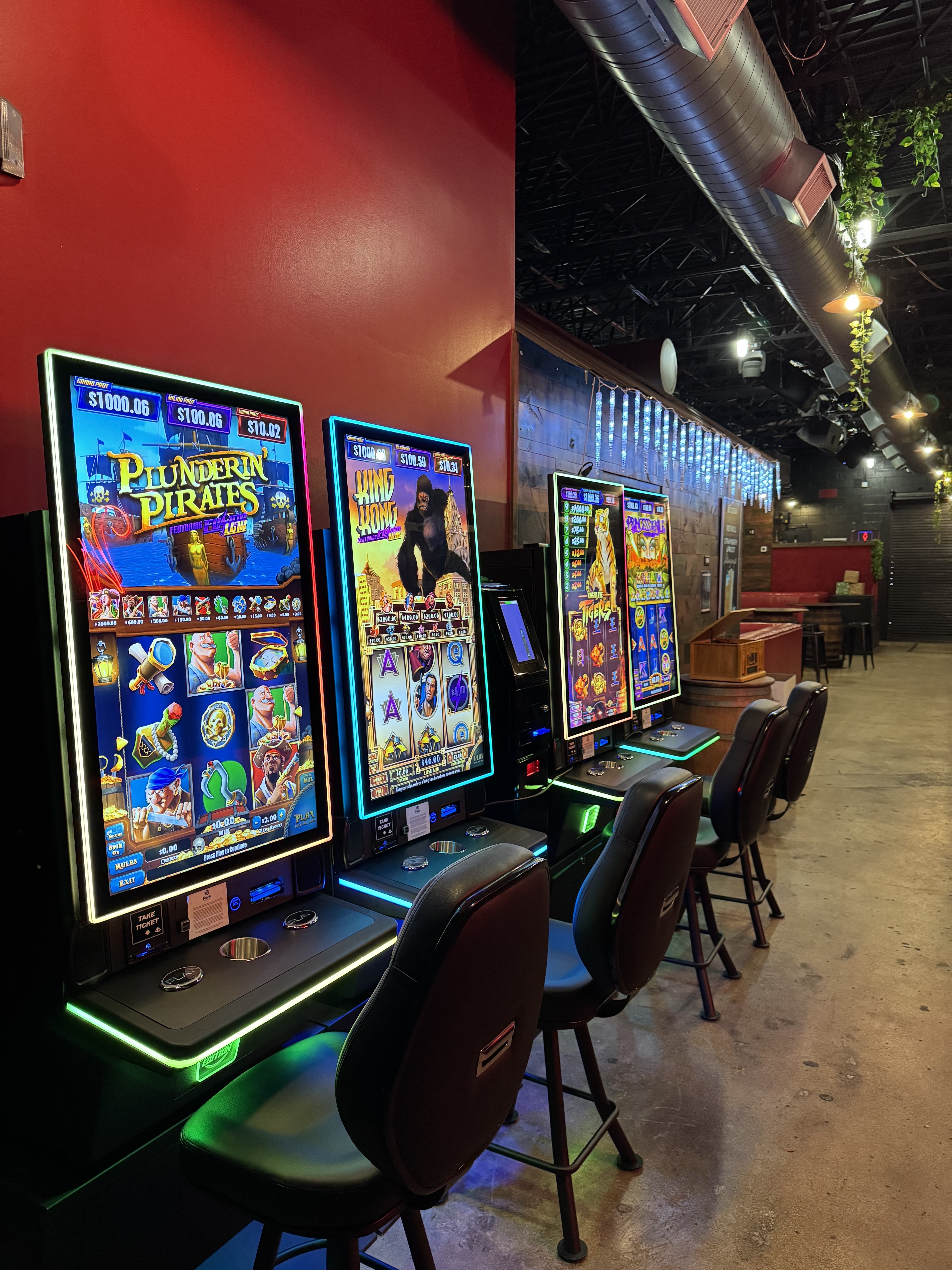
For instance, games like Midnight Wolf and Princess of the Nile offer immersive, skill-rich experiences that have become customer favorites.
What This Doesn’t Mean
Let’s be clear, this is not necessarily a blanket statewide approval.
- Other counties may interpret compliance differently.
- The ruling doesn’t authorize unspecified awards, jackpots, or games using chance.
Businesses should always check with their terminal operator and ensure they’re aligned with municipal gaming guidelines.
Reinforcing the Business Case
As covered in our owner’s guide to buying skill-based machines, investing in compliant equipment allows businesses to:
- Offer modern entertainment
- Improve foot traffic
- Reduce downtime
- Avoid legal uncertainty
Peak Entertainment Welcomes the Clarity
At Peak Entertainment, we are proud to be at the forefront of the skill gaming industry in Texas. This ruling affirms what we’ve always stood by: games that reward skill, not chance, can provide lawful and engaging entertainment for adult players while supporting local business partners.
We design every solution with clarity and compliance in mind:
- Our machines feature a diverse range of skill-based game themes, tailored to player engagement.
- We steer clear of any RNG-based formats, ensuring transparency at every level.
- All our systems are built to align with municipal and state guidelines, not just technically, but operationally.
- Our experienced video gaming terminal (VGT) services are designed to serve real businesses across Texas.
Our role? Helping businesses, whether they run truck stops, retail centers, or lounges, deploy skill machines with full confidence.
If you're seeking skill game machines for sale or want to know where to buy a skill game machine in Texas, we’re your local, experienced partner. Reach out to us to learn more.
FAQs
1. What is a skill game machine?
A skill game machine is a device that rewards player input, such as reaction time or strategy, rather than relying on RNGs or chance outcomes.
2. What’s the difference between skill games and slot machines?
Skill games depend on the player’s performance; slot machines use random number generators. The latter are typically considered chance-based games.
3. Can I offer skill games in my business without a license?
You must check with your terminal operator and local guidelines. While no license may be needed in some cases, compliance is still required.
4. Is Peak Entertainment’s equipment compliant?
Yes. All our machines are designed to align with municipal and state standards and do not use RNGs or enable chance-based gameplay.
Conclusion
The Fannin County ruling marks a positive shift for Texas skill gaming, but it’s not the finish line. For businesses, this decision brings clarity, not carte blanche. Working with trusted providers like Peak Entertainment ensures your machines are compliant, your players are engaged, and your business is protected.
Disclaimer: This blog is for informational purposes and does not constitute legal advice. Businesses should consult with legal counsel and local authorities regarding municipal gaming guidelines
More Into
Announcements











Ready to partner with us?

