
Restaurant Waiting Area: Use the Minutes Before the Table
Admin
November 11, 2026
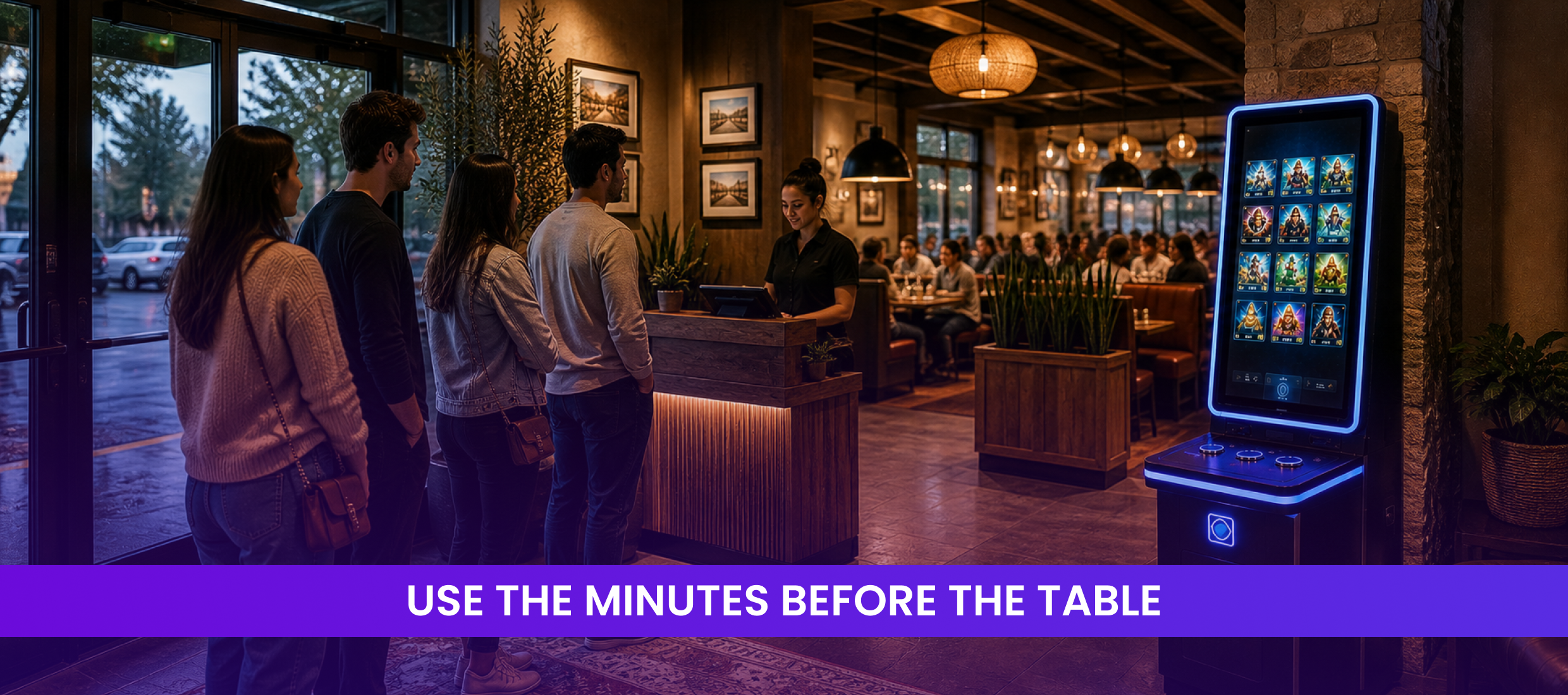
It's 7:15 on a Friday. The host stand has a line.
A group of four stands by the door, and the host has just quoted them twenty minutes. They have no drinks yet and nothing to do but stand around. On busy nights like this, your restaurant will inevitably form a “waiting area,” whether you plan for it or not.
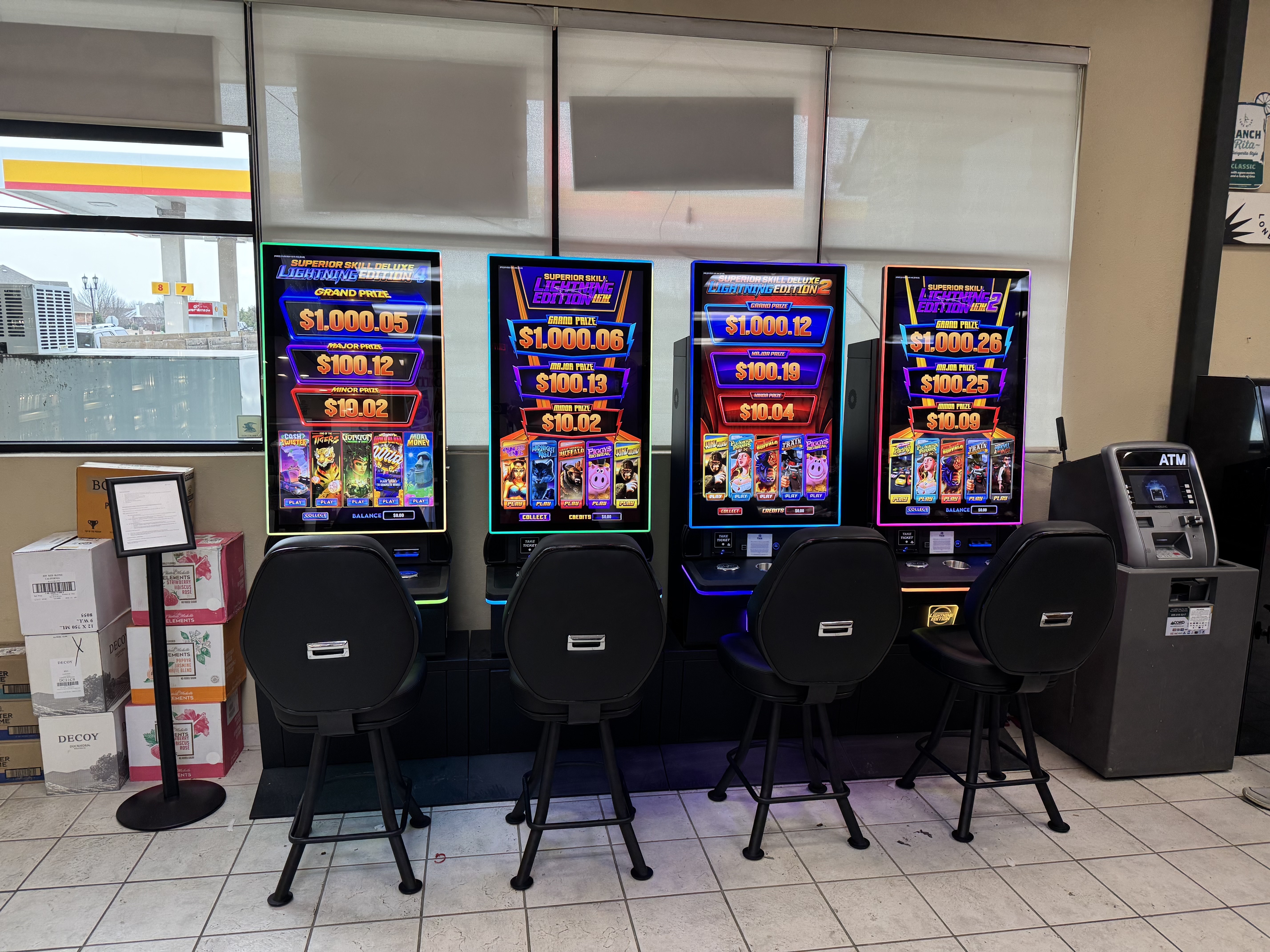
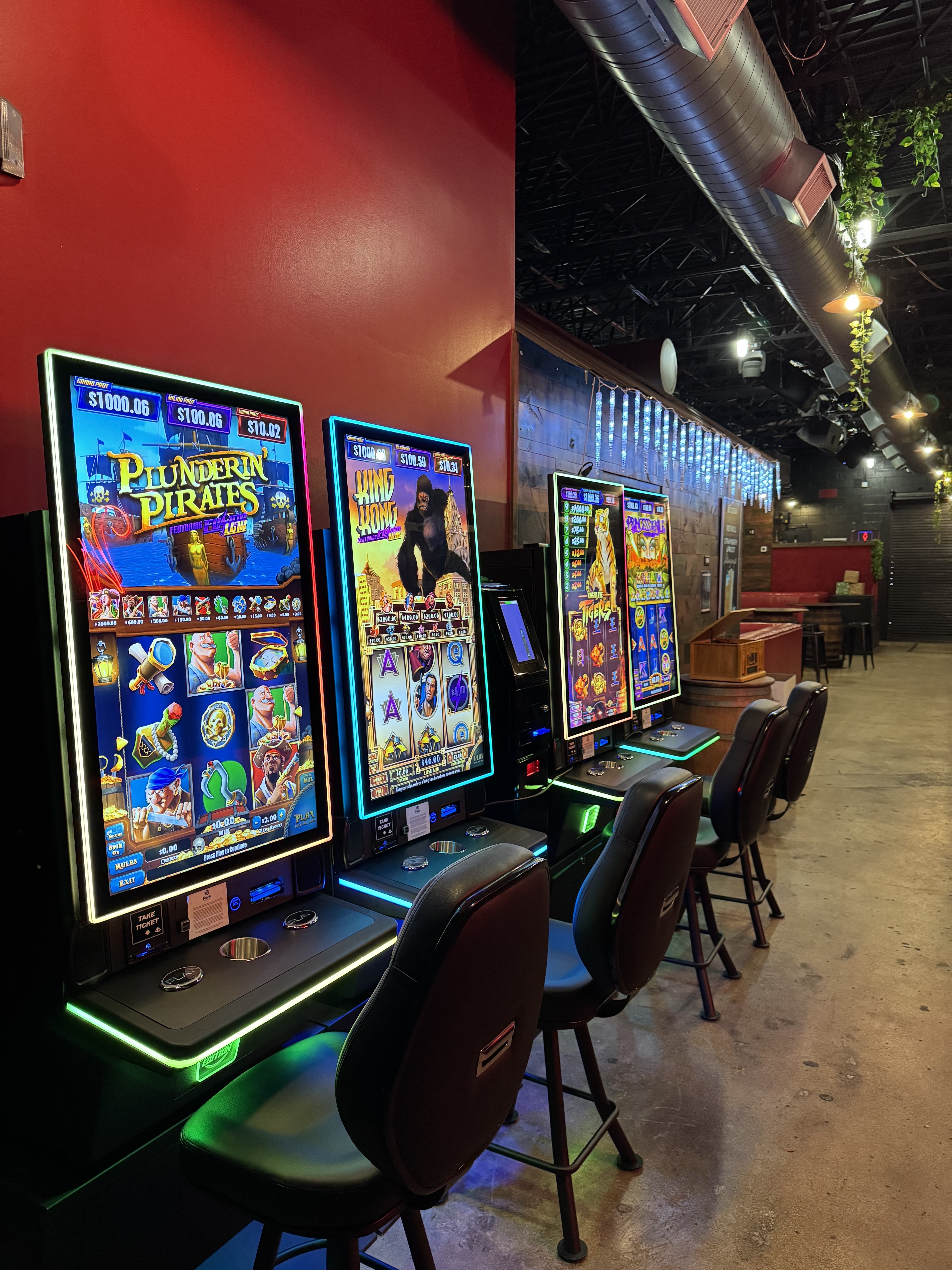
The initial twenty-minute turnaround time can’t be changed, but what guests have available to do during that time can. A skill game machine in view of where they stand provides your customers with a form of entertainment they can engage with until the table turns.
What You'll Take Away About Your Restaurant Waiting Area
- Where the wait happens: It happens wherever guests stand, whether that's a restaurant waiting area, the doorway, or the bar.
- What guests do now: They check phones, watch the TV, drift around, and some inevitably decide to try the place next door.
- What the machine adds: Something active to do alone or together, with a variety of games to choose from and no staff involvement required.
- Where it goes: In view of the waiting area, beside the walkway, near an outlet, and within earshot of the host.
- What stays off your host's plate: Peak Entertainment handles the install, upkeep, and technical support.
Your Restaurant Waiting Area Is Wherever Guests Stand
The wait for a table has a location, and it isn't always the one you designed. At a casual Texas restaurant, it might be a bench in the lobby. It might also be the doorway, a patch of floor beside the host stand, or a few stools at the bar. Look for where your waiting customers meander to and where phones come out.
This location may shift throughout the evening. As the night wears on, guests may move from waiting near the host stand to situating themselves in the corridors or at the bar. This matters when you consider where to insert a skill game machine. The key is to narrow in on an area that is kept in view for most, if not all, of your potential waiting areas.
What Waiting Guests Do With the Time
Guests tend to do the same four things: They check their phones, watch the TV over the bar, read the menu on the wall, and look at the door. After a few minutes, the list runs out.
Some drift to the bar for a drink. Others decide the queue is too long and try their luck next door.
Who's standing in line changes by night. Thursday, it's coworkers off shift; Friday, it's couples and friends; and on game day, it's a crowd that came to watch their team play.
Your worry isn't really the clock. It's the potential customers who look at the line, see nothing to occupy themselves with in the meantime, and decide your place isn't worth the wait. That decision happens right at the door.
Some of them are new faces, people who've never been through your door. Their first minutes in your place happen in the waiting area, before anyone has sat down. For anyone new, this space is the start of the guest experience.
Why a TV Isn't Enough for a Waiting Group
A TV gives guests something to watch, not something to do. Industry research suggests that interactive entertainment holds attention longer than passive options like television. Moreover, the TV usually faces the bar, so guests in the doorway often can't see it.
A cellphone fills a minute or two. It's a solo screen, though; it can't give four people something to do together. A waiting group needs a product they can all gather around.
A skill game machine is the perfect option. It lets a group of guests engage in an activity together so they’re not just left waiting around.
What a Skill Game Machine Gives a Waiting Group Something to Do
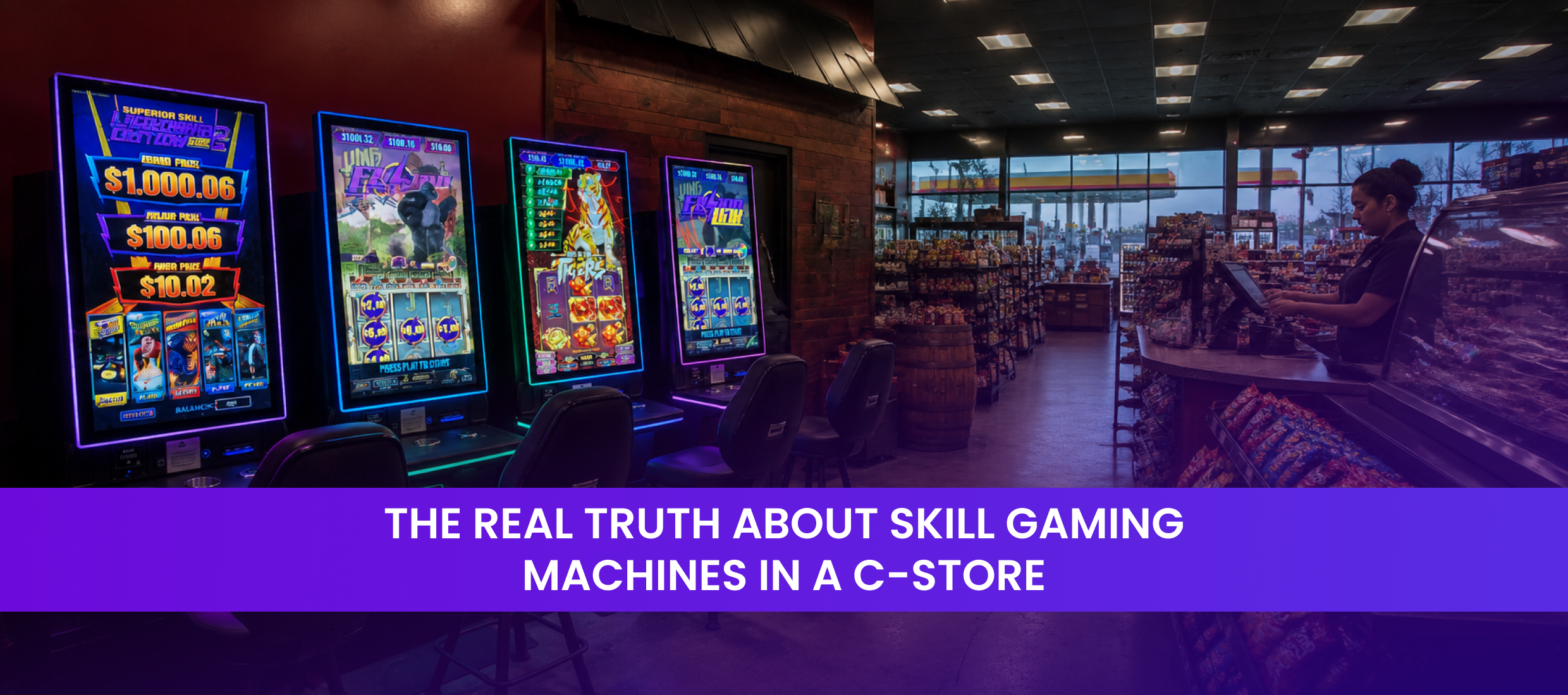
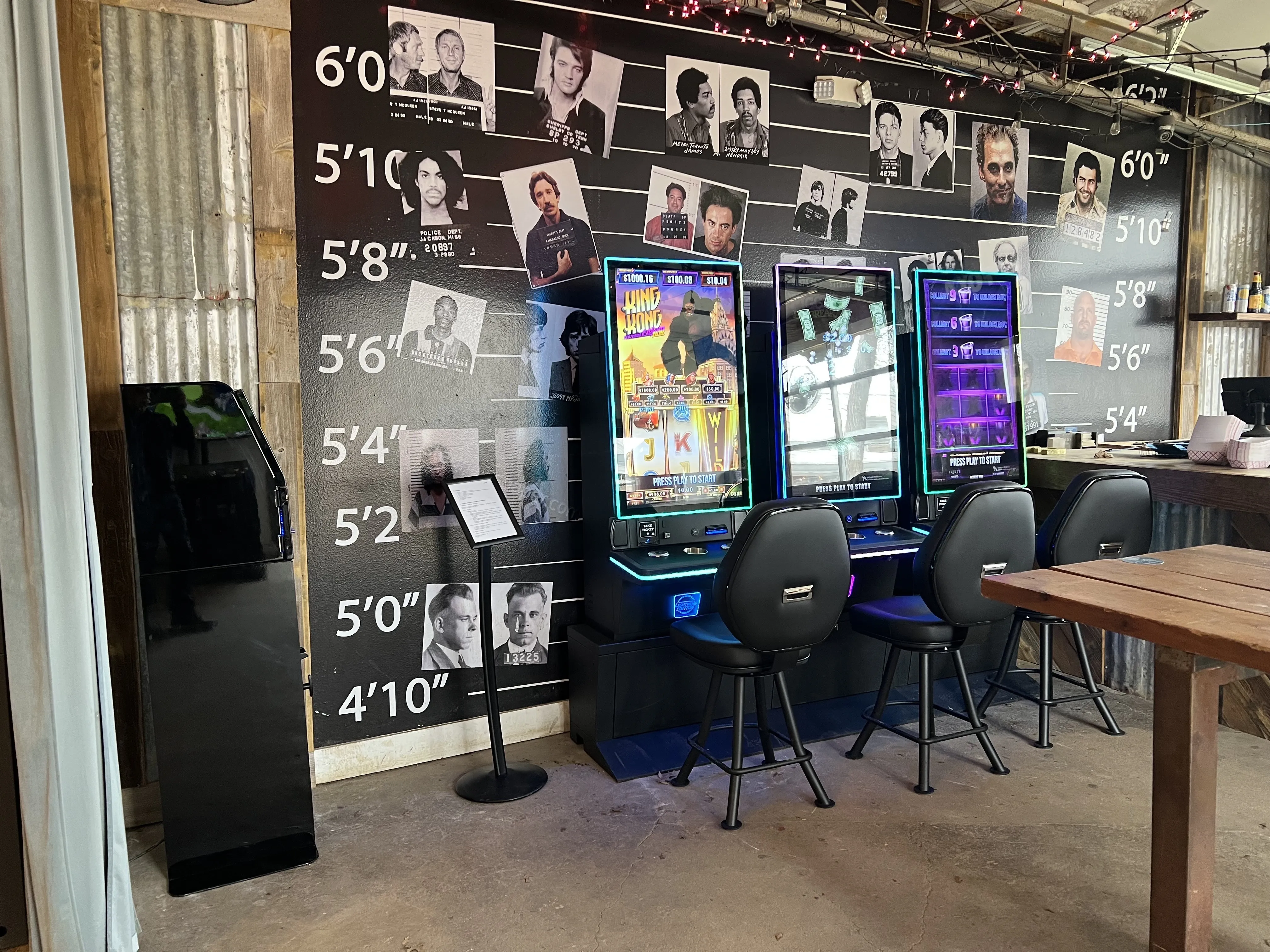
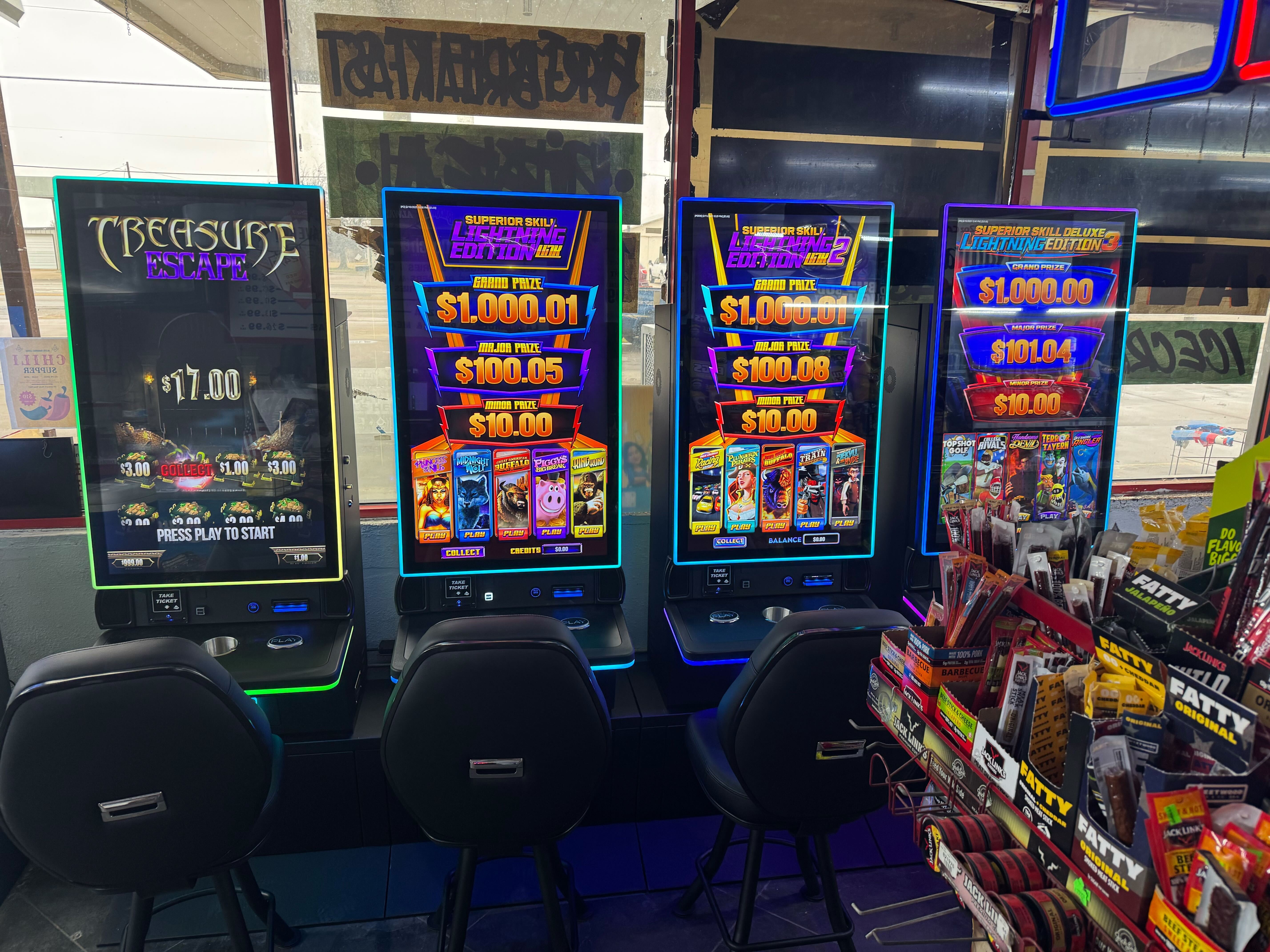
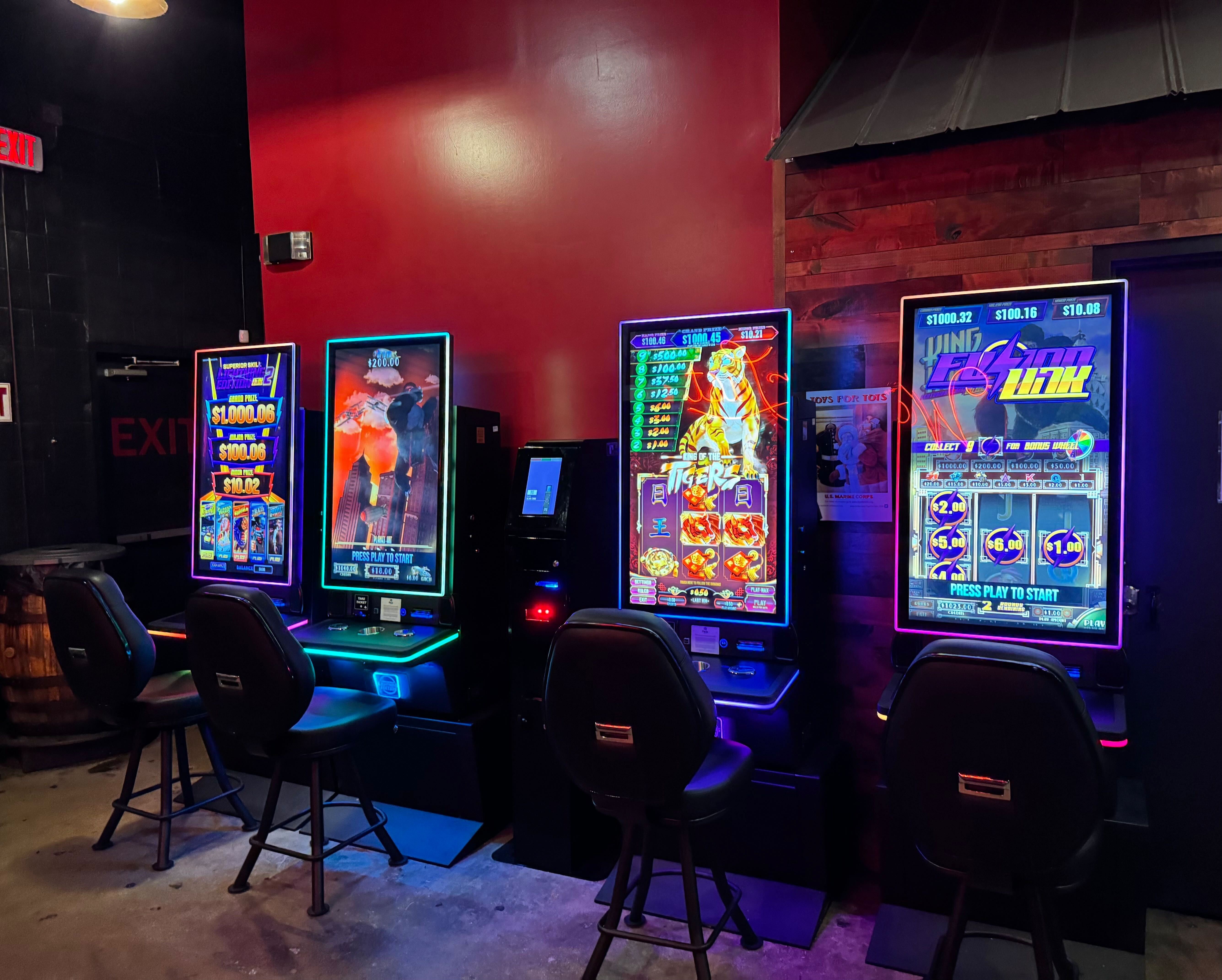
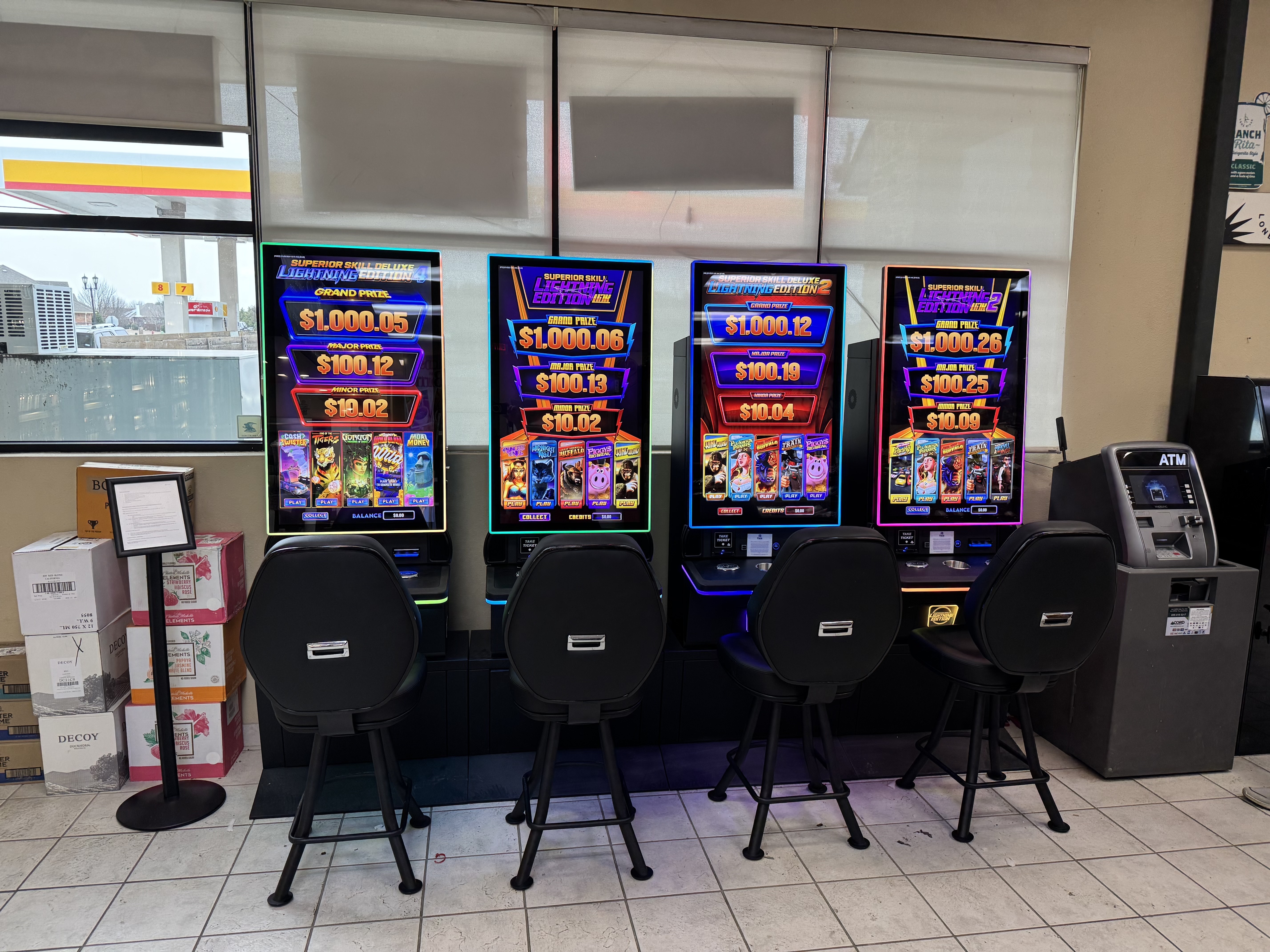
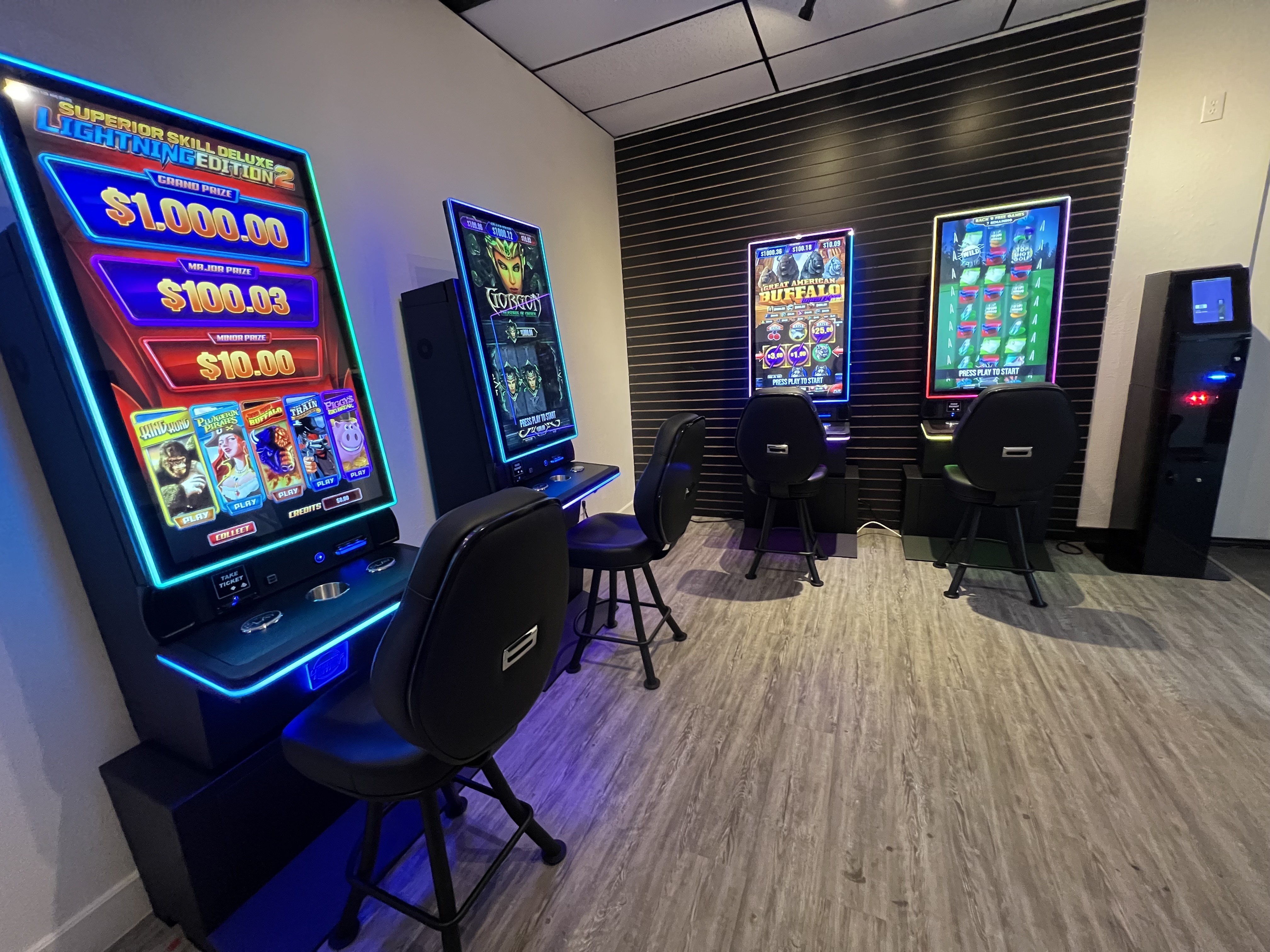
With a vertical screen measuring over three and a half feet that’s easily visible from the door, a skill game machine is a quick attention grabber. Guests are able to use it on their own without staff intervention.
Each machine carries a choice of titles, like TopShot Golf!, College Rivals, and Offshore Angler. Not every guest in a group may want to play the same game, so having a variety of choices gives each of them a reason to step up.
Having the machine not only invites play, but it also gives other guests something to hold their attention as they watch others try the games.
Additionally, having a skill game machine at play changes the way potential customers sizing up the host’s line view the idea of waiting. Knowing that there is an activity to do in the interim, or just that there is more to the waiting area than just a bench to sit on, piques customer interest. It also increases the likelihood that they'll chance the wait.
Where the Machine Goes on a Busy Floor
A good spot passes five tests on a busy floor:
-
Guests can see it from the waiting area
When looking to install a skill game machine, make sure you are keeping in mind where your customers will be able to best see it. Check the sightline from where guests actually stand during peak hours, not just where you wish they’d stand. Take note of the view from the host stand, the doorway, and the end of the bar. If the machine’s screen faces away from all of these core spots, guests may not notice it’s there until they are already seated.
-
It doesn’t interfere with the walkway
Two places are worth ruling out early: the strip right inside the door and the stretch where your line forms. You want these spaces to remain clear of any guests who have already been seen to, so as to not block the flow of new, incoming customers.
Your floor may already have a better option. It's often a dead corner near the entryway, holding a plant or a stack of takeout menus. It already stays out of the general walkway, and you will simply be replacing one item in the space with another, more interactive one.
-
It’s within calling distance of the host
The skill game machine will be part of your guests’ waiting area. It’s important that the device remains within earshot for when a table opens up for the guests using the machine.
-
Its screen faces away from the tables
Seated diners are your other potential audience. Ensure that you point the device’s screen away from the tables and toward the waiting area, so as to not interfere with guests already enjoying their meals.
-
There is an available electric outlet nearby
A machine needs power. A cord across the floor is a tripping hazard on a busy night, so having an outlet within a few feet of where the cabinet will be installed matters.
What Stays Off Your Host's Plate
Your host already has a full job. Seating, quoting waits, and keeping track of the waitlist take everything they've got.
The machine adds nothing to that list. Peak Entertainment handles the installation, software updates, and support, with maintenance as part of the service too. If it needs attention, that goes to Peak Entertainment’s tech team, not to your busy staff.
There's no upfront cost, and the partnership runs on a revenue sharing model.
Your staff needs very little briefing about the machine. A one-line heads-up at pre-shift is enough: tell the servers and the host the machine is there and that guests may ask about it. A plain answer covers it: it's a skill game machine, and anyone waiting can use it.
The host doesn't need to promote it. Guests who want it will find it, and the ones who don't can ignore it.
Reach Out
If you've found a spot or you'd like a second opinion on a floor you can't quite read, you can get in touch with Peak Entertainment. They'll tell you how a machine fits in your Texas restaurant.
Frequently Asked Questions
1. Where should the machine sit relative to the host stand and the door?
Off to one side, a few steps from the host stand and in view of where guests wait. Keep the door path clear and your host's view of the entrance open. That usually means the edge of the floor, not the middle.
2. Does it work if guests wait outside with no waiting area?
Depends. It needs a spot inside that guests can see from where they gather. If everyone waits on the sidewalk, nothing inside is in view. If guests spend any of the wait just inside the door, there may be a spot worth looking at.
3. Will it get in the way of a line at the door?
Not if it sits off to one side. The risk is a placement that narrows the walkway once the line forms. Check it against a full line, not an empty room.
4. Does it matter on slow nights, or only at peak?
Mostly at peak. A slow night has no line at the host stand, so the machine is simply on the floor. It's the busy nights that leave guests by the door with time to fill. Over time, though, a machine can also help bring guests back and turn some of them into routine customers.
5. Which end of a restaurant with a bar suits it?
Depends on where guests gather to wait. If they gather at the bar, the machine belongs in view from there and clear of the walkway. If they gather by the door, the door end is the better choice.
More Into
Announcements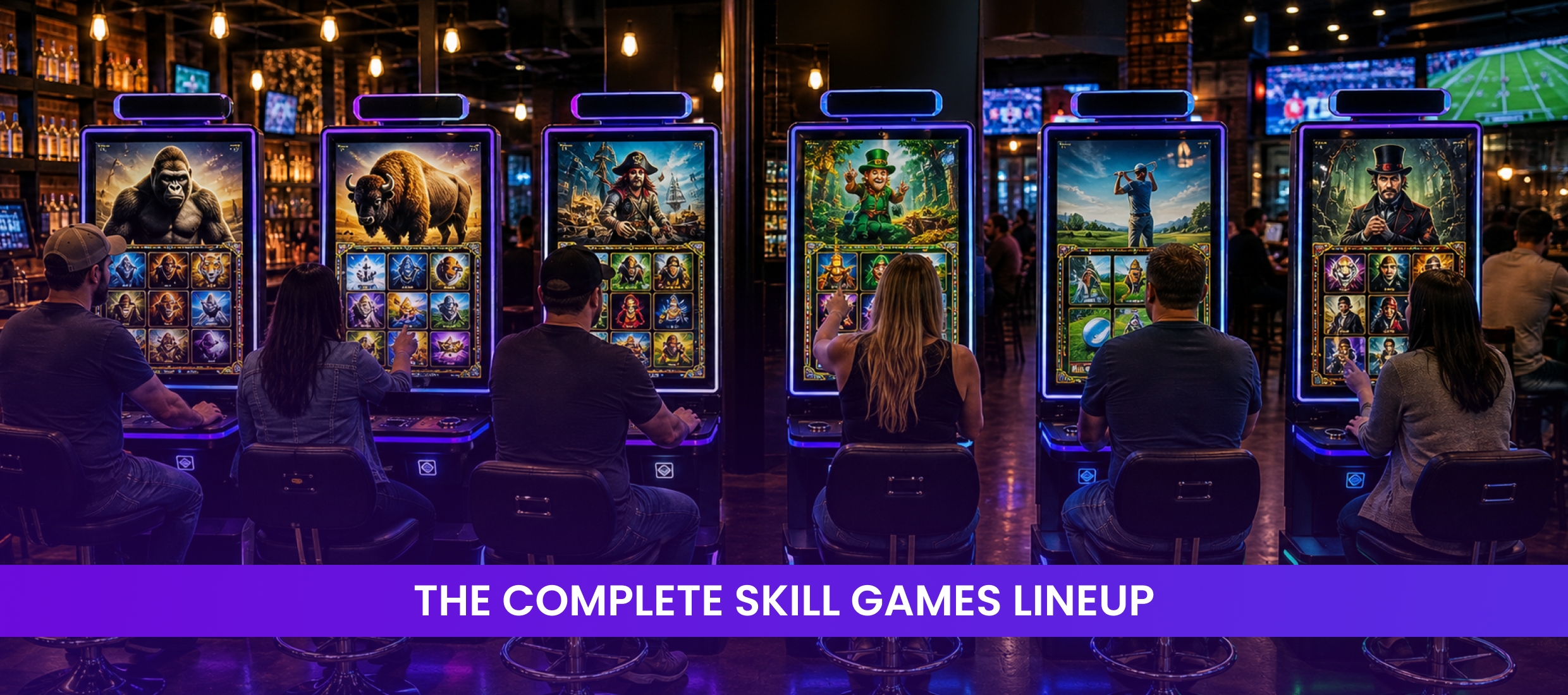








Ready to partner with us?

