The Real Truth About Skill Gaming Machines in a C-Store
Admin
August 04, 2026
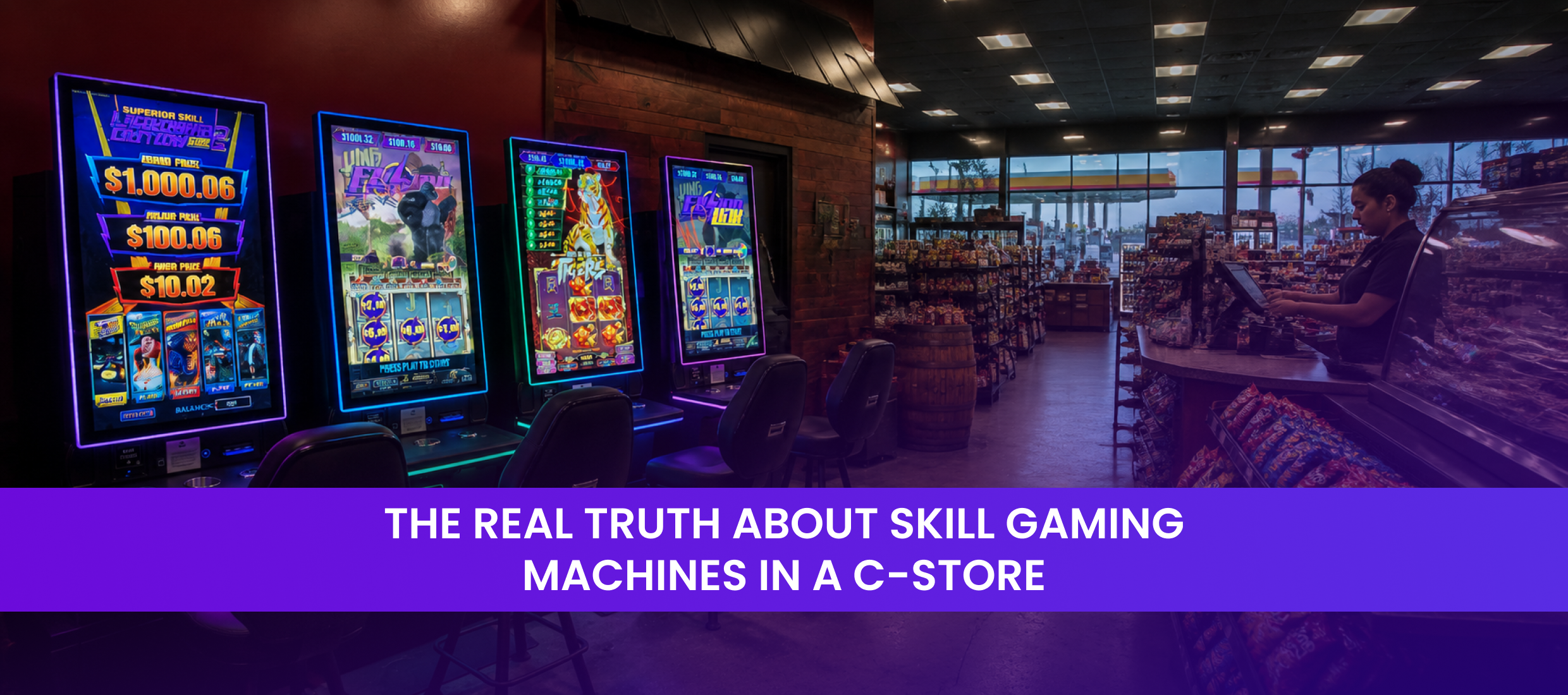
The clerk works alone. Every new machine becomes her problem, or it doesn't. Skill gaming machines for convenience stores sound simple until you ask what one actually needs from her shift.
Most owners don't ask that question before saying yes. They hear "extra revenue" and picture something quietly earning in the corner. Texas convenience stores run on thin staff and short visits, and that changes what "unattended" really requires. This piece separates what genuinely runs without you from what only looks that way in a pitch.
That distinction matters more than which brand or vendor you're considering.
Pressed for Time? The Gist on Skill Gaming Machines for Convenience Stores
- The real test: Ask whether equipment needs you, not whether it sounds passive.
- Thin staff changes the math: A convenience store floor can't absorb restocking, troubleshooting, or training.
- "Unattended" isn't automatic: Some equipment quietly requires ongoing owner involvement anyway.
- Placement decides the outcome: The wrong spot slows down a fast-moving floor.
- Support matters more than the pitch: What happens when something breaks tells you more than what happens when it works.
The Real Test: Do Skill Gaming Machines Need You, or Run Without You?
Ask one question before adding anything to your floor. Does it need you, or does it run without you? Most sales pitches skip straight past this and go to the revenue number.
That's backward for a convenience store specifically. Your margin isn't the constraint here. Your staff's time is. A single clerk covering register, coffee, and cleanup can't also babysit new equipment.
The honest version of "passive" means nobody on your floor has to think about it. Not once a week, not during a rush. If something needs regular attention, it isn't passive, no matter what the pitch calls it.
Most equipment vendors will tell you their product is passive. Ask them what happens on your busiest day of the month instead. That answer tells you more than anything in their pitch deck.
What a Convenience Store Actually Looks Like Day to Day
Most equipment gets designed for venues with more staff and slower traffic. A convenience store has neither. Customers fuel up or grab something and are usually gone within a couple of minutes.
Foot traffic is high, but attention is low. Nobody's settling in. Nobody's waiting on a table. Your staff runs the register, restocks coolers, and covers the pump kiosk, often as one person handling all three.
That combination, high traffic paired with thin staffing, is what actually determines whether something works here. It isn't about square footage. It's about whether the equipment fits into a floor nobody has time to manage.
Compare that to a bar on a Friday night. Customers settle in for an hour or more, plenty of time to notice new entertainment. A convenience store rarely gives you that runway.
Get this wrong, and the equipment becomes exactly the kind of clutter owners regret adding. Get it right, and nobody on staff even remembers it needed a decision in the first place.
Where Equipment Quietly Starts Needing You
Restocking and Upkeep
Some "passive" equipment isn't passive at all once you look closer. It needs regular restocking, refilling, or resetting to keep working. That's a recurring task, and recurring tasks land on whoever's on shift, multiplied across every day until it stops looking passive at all.
Troubleshooting Without Support
Equipment breaks eventually. The real question is what happens next. If your staff has to diagnose the problem themselves, or wait days for someone qualified to show up, that "unattended" claim didn't hold up.
A day of downtime on a slow Tuesday is annoying. That same day of downtime on a Saturday night costs you real foot traffic.
Training Time You Don't Have
New equipment often comes with a learning curve, even a small one. Someone has to learn it, then teach it to every new hire after that. In a store where turnover is normal and shifts run solo, that ongoing training cost adds up fast. That's true even for equipment that seems intuitive at first glance.
Where Skill Gaming Machines for Convenience Stores Actually Clear the Bar
The right skill gaming machine for a convenience store, installed and supported by Peak Entertainment, is built to pass all three of those tests. That holds whether the store stands alone or shares a lot with a gas station.
Machine maintenance is handled entirely by the operator, not your staff. Nobody on shift resets, restocks, or repairs anything themselves.
The installation process happens on Peak's schedule, and it's designed not to interrupt a working floor. Your team doesn't need a manual, because they're never the ones running it.
That's the actual difference between equipment that generates revenue and equipment that generates work.
None of this requires your staff to learn new software or keep a maintenance log. The whole point is that it works quietly enough that most customers won't even ask who runs it.
Placement That Works With a Fast-Moving Floor
Where you put it matters as much as what it is. A machine near the register queue competes with the line you're trying to keep moving. A machine planted in a customer's direct path to the door gets ignored, since nobody stops mid-errand.
The better spot is a natural pause point, somewhere a customer already lingers for a few seconds. What separates a strong setup from a weak one usually comes down to exactly this kind of placement decision, not the machine itself. If you're not sure your layout has that kind of spot yet, a short readiness check can tell you before you commit to anything.
A corner nobody walks past does just as poorly as one that's in the way. The goal is somewhere customers already slow down on their own, not a spot you're hoping they'll notice.
What Happens When Something Goes Wrong
This is the part most pitches skip. A machine that runs fine on a slow Tuesday tells you nothing about a busy Friday night. What actually matters is what happens when it doesn't run fine.
Round-the-clock support exists for exactly this reason, and it's worth understanding what that actually covers before you need it. A machine that goes down and stays down isn't unattended, it's abandoned. The right partner treats downtime as their problem to fix, not yours to explain to customers.
Ask any potential partner exactly what a service call looks like before you agree to anything. A vague answer here says more than anything on their sales sheet.
The Convenience Store Difference
A bar has regulars who linger for an hour. A truck stop has drivers on a mandated break. A convenience store has neither, which is exactly why the "does it need you" test matters more here than almost anywhere else in Peak's world.
Skill gaming is only one piece of turning a fuel stop into somewhere customers actually choose to linger. The fuller playbook for increasing convenience store sales goes well beyond just the machine. That's not a knock on convenience stores. It's just a different floor, with different rules for what actually holds up.
Where Peak Entertainment Fits In
The honest answer to "what actually works unattended" is: not everything marketed that way. A partnership with Peak Entertainment is built around the constraint that actually matters at your store, staff time, not floor space. Their current machine lineup shows what that looks like in practice, before you commit to anything.
If you want a straight answer on whether this fits your specific floor, reach out and ask. No pressure, no script, just a real look at your layout and your traffic.
Frequently Asked Questions
1. Does adding a skill gaming machine to a convenience store mean extra training for my staff?
Not usually. Peak handles installation and ongoing operation, so your team doesn't need to learn a system or troubleshoot it themselves.
2. Does a problem during a rush become my staff's responsibility to fix?
No. Support stays with the operator, not your staff, even on a busy Friday night.
3. Will it slow down my register line?
Not if it's placed correctly. A spot too close to checkout can create congestion, which is why placement gets planned around your actual traffic pattern.
4. Does it need daily restocking or attention from my staff?
No. Unlike equipment that needs regular refilling or resetting, a properly installed machine runs without daily input from anyone on shift.
5. Does floor space limit where this fits in a convenience store?
Not usually. A single unit fits in a compact footprint, though the right spot matters more than the amount of space available.
6. Does it work with customers who are only inside for a minute or two?
Yes, when it's placed at a natural pause point. Customers already waiting, even briefly, are the ones who engage with it.
More Into
Announcements
Skill Games in Dallas: What Actually Works for Local Venues
Most operators treat this city the same way they treat every other Texas market.
Skill Gaming Machines: What 90 Days Actually Looks Like
This post covers what skill gaming machines should be doing for your venue by the 90-day mark.
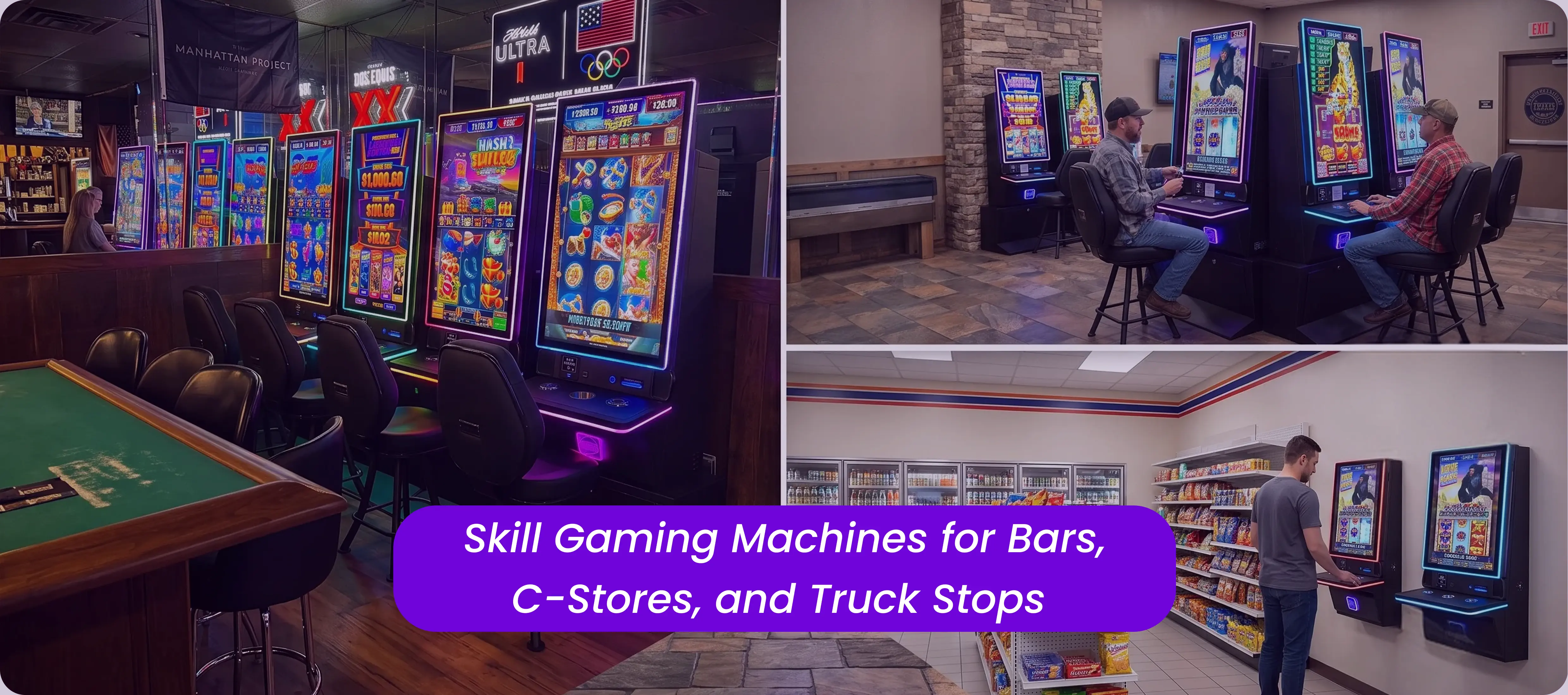
Skill Gaming Machines for Bars, C-Stores, and Truck Stops
Understanding what skill gaming machines actually look like in your specific venue type is useful
How to Pressure-Test a Skill Game Opportunity Before Saying Yes
If you sign contract based purely on an aggressive revenue projection, you are inviting operational.
How to Fix a Skill Game Setup That’s Underperforming
The thing is, you do not need a massive renovation budget to turn this around. You just need to know
How to Identify Underperforming Skill Game Setups Early
Catching these problems quickly saves your floor space from becoming a total revenue leak.
Revenue Share vs Buying Machines: Scaling Your Texas Venue
Before you sink your hard-earned capital into hardware, you need to understand what most owners miss
4 Signs Your Venue is Ready for Skill Based Gaming Machines
Adding skill-based gaming machines is more like opening a new department.
What Ongoing Support Should Look Like from Skill Game Vendors
You need a partner who stays in the game with you. True support means your entertainment runs smooth
The First 30 Days with Skill Gaming Machines: What Really Happens
Are you wondering what actually changes in your business once you decide to add skill gaming machine
What Makes One Skill Game Location Outperform Another in Texas
Outperformance is the result of a deliberate strategy rooted in floor-plan psychology.
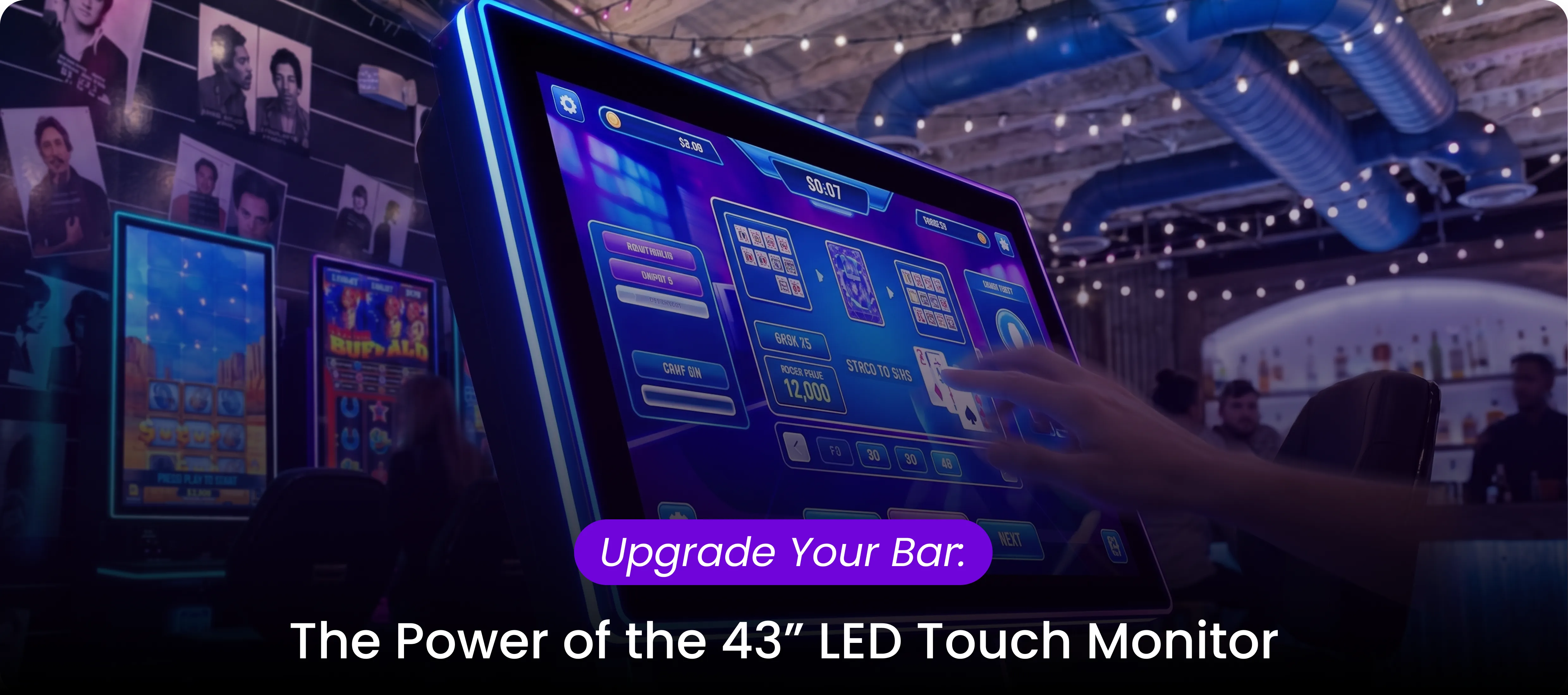
Upgrade Your Bar: The Power of the 43” LED Touch Monitor
The visual centerpiece of any modern skill gaming machine is the display.

The Revenue Sharing Model: How We Grow Only When You Grow
Our revenue-sharing agreement is designed to eliminate the financial barriers
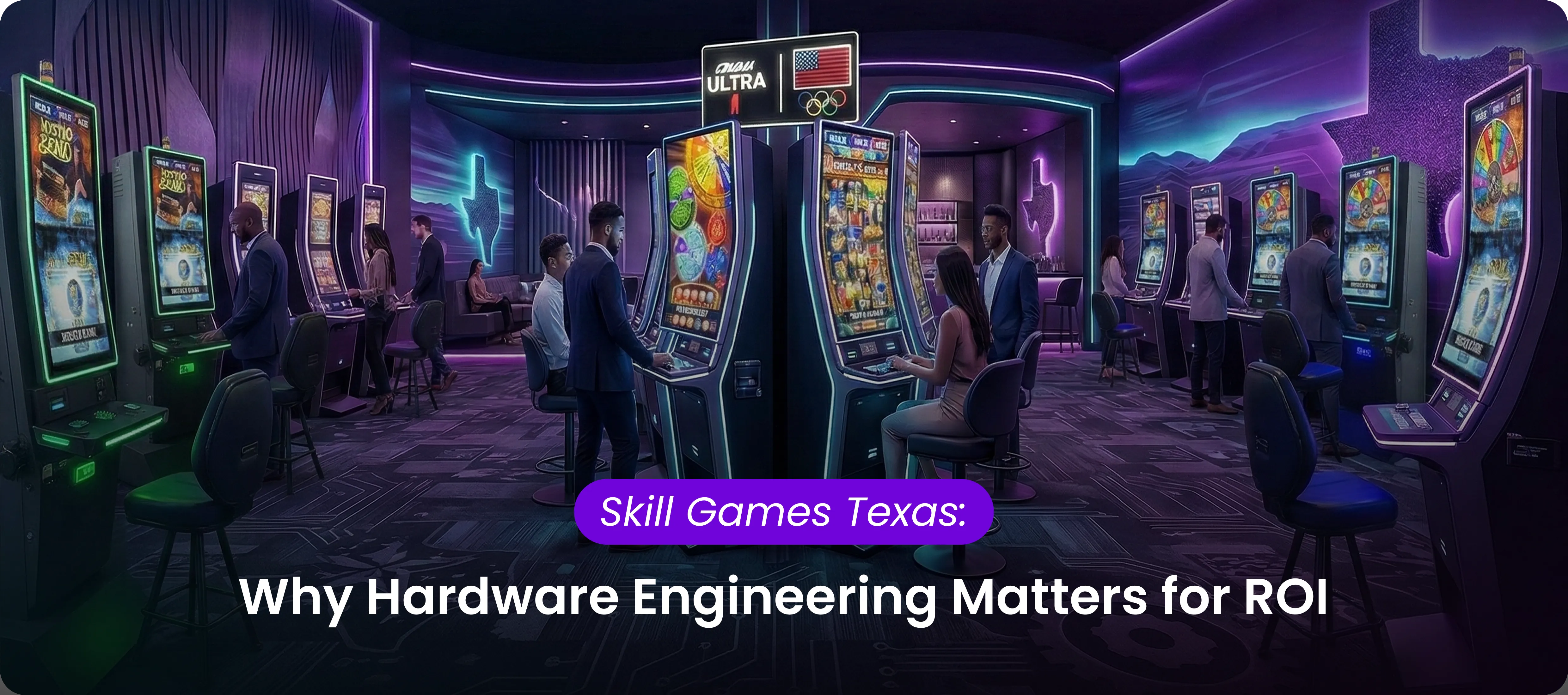
Skill Games Texas: Why Hardware Engineering Matters for ROI
In the world of Texas hospitality, your floor plan is a silent salesman, but is it whispering or sho
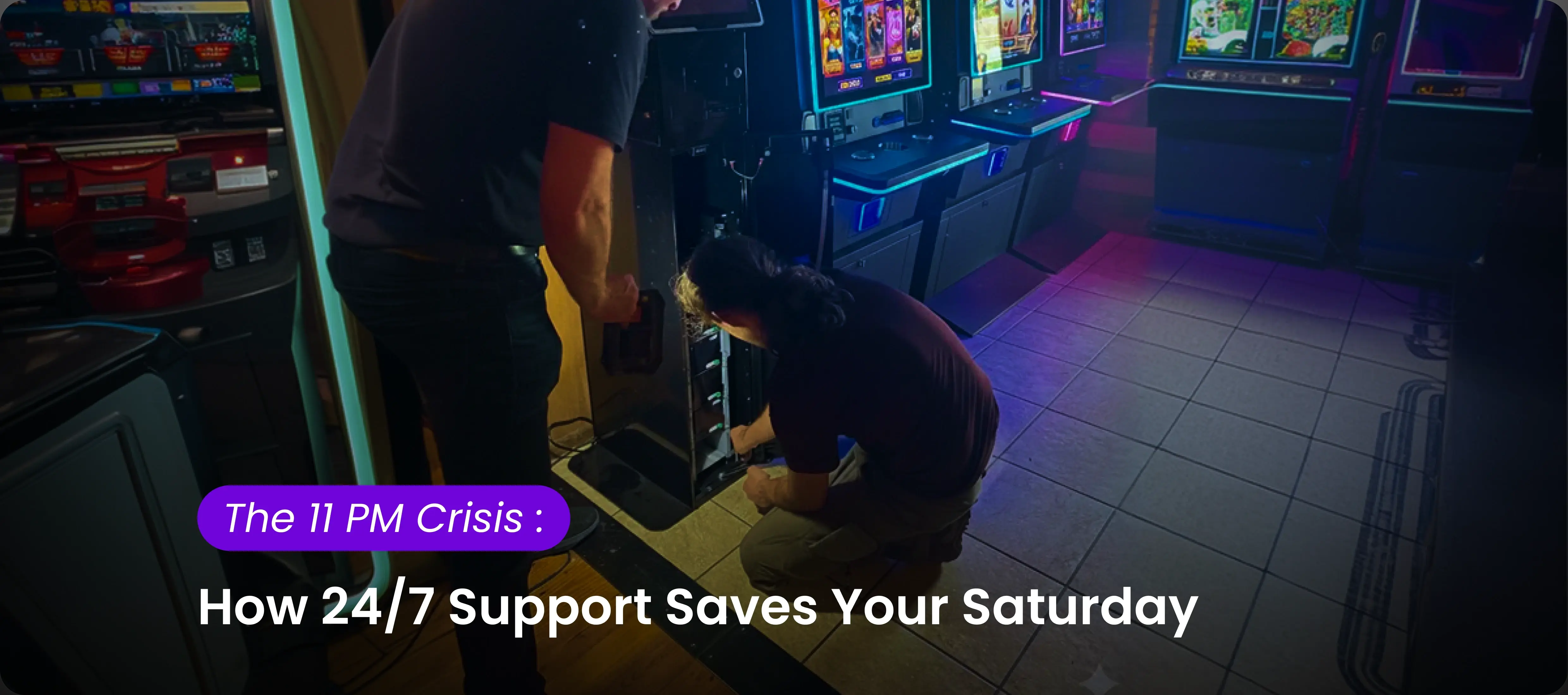
The 11 PM Crisis: How 24/7 Support Saves Your Saturday
Difference between record-breaking weekend and a missed chance comes down to operational continuity.

Thanksgiving Eve: Your Bar's Most Profitable Night
The bar night before Thanksgiving often feels like a force of nature.
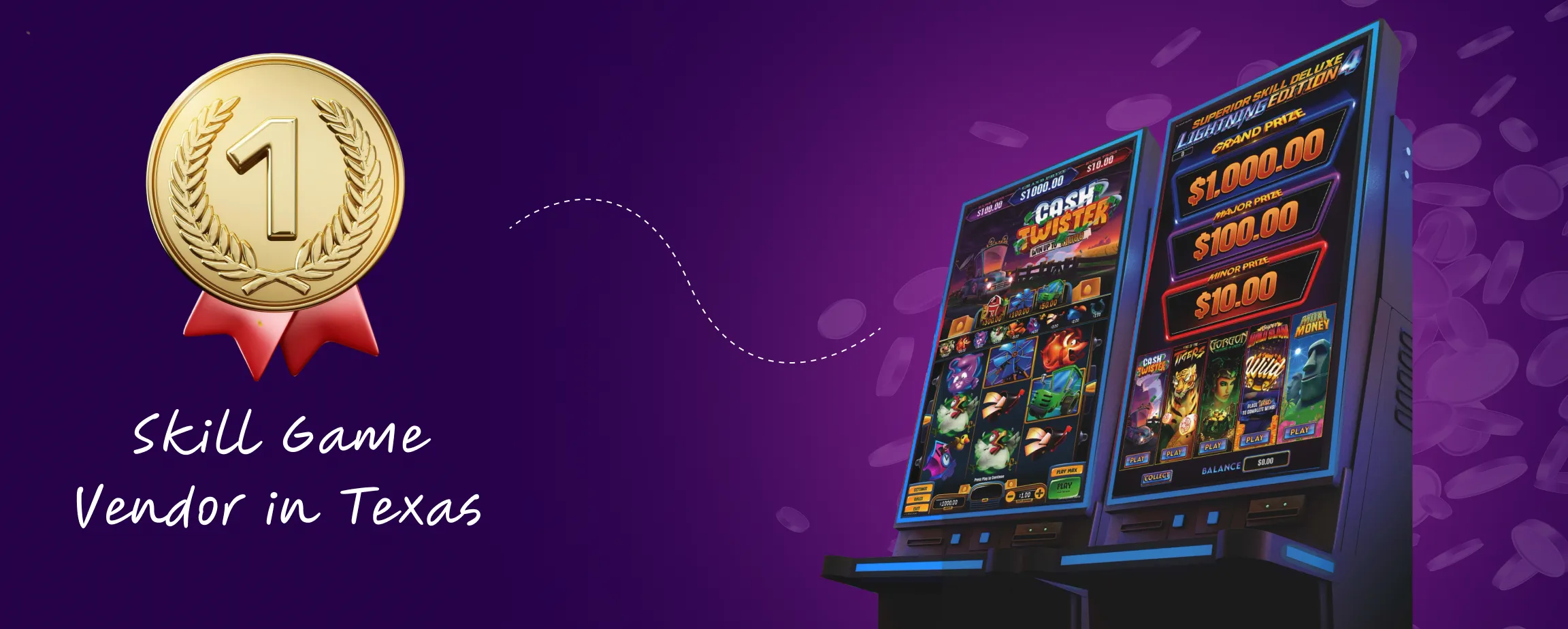
Our Story: Why We Are the #1 Skill Game Vendor in Texas
Success stories often begin with a simple vision, but they're built through unwavering commitment.

Gaming Equipment Basics: Essential Terms for Texas Owners
This focused glossary covers the 15 most essential gaming terms you'll encounter as a Texas business

Who Plays Skill Games? A Texas Skill Game Player Profile
The question is, do you know who your members are? These aren't one-dimensional players.
5 Questions to Ask Skill Game Vendors in Texas Before You Choose
Choosing a partner for your skill games is one of the most critical business decisions you'll make.
The Business Owner’s Field Manual to Texas Skill Games
You have the foot traffic, but how do you encourage customers to stay longer and spend more?

Beat the TX Small Business Squeeze with High-Margin Skill Games
What if the most profitable 15 square feet in your business wasn't your bar top or main cooler?

What the Fannin Ruling Means for Texas Skill Gaming
In April 2025, the Sixth Court of Appeals in Texarkana delivered a powerful message

How Micro-Entertainment is Winning in a Post-COVID Economy
If the post-COVID era has changed anything, it's this: guests now favor places that feel thoughtful
How to Choose the Right Skill Game Vendor in Texas
Selecting the Right vendor can define whether your setup thrives or falters before it starts.
Why Texans Play Skill Games and What It Means for You
For businesses, understanding why people play is essential to creating an environment
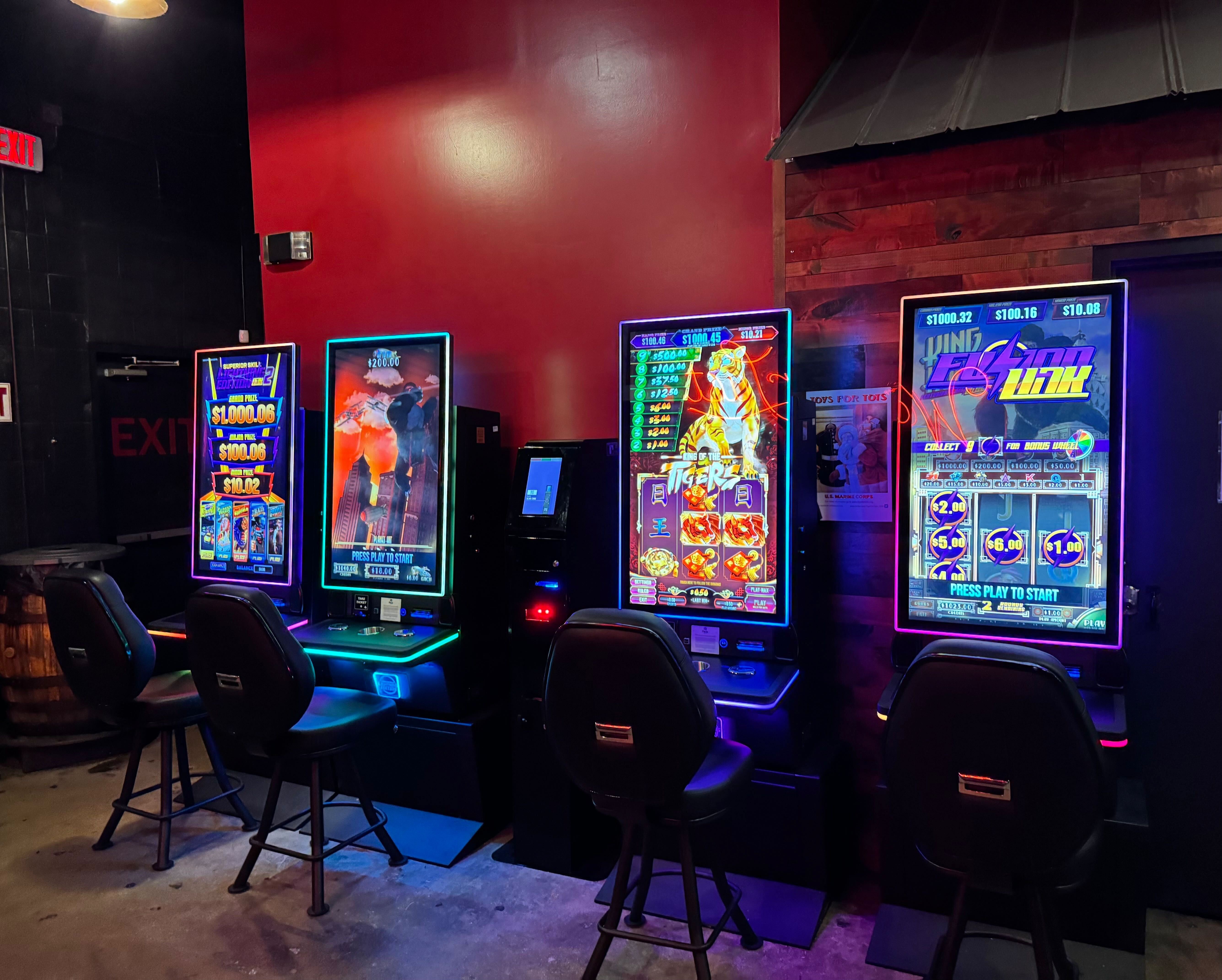
Why Skill Based Gaming in Texas Is Changing Hospitality
Guests are looking for more than background noise or a TV on the wall. They want something to do.
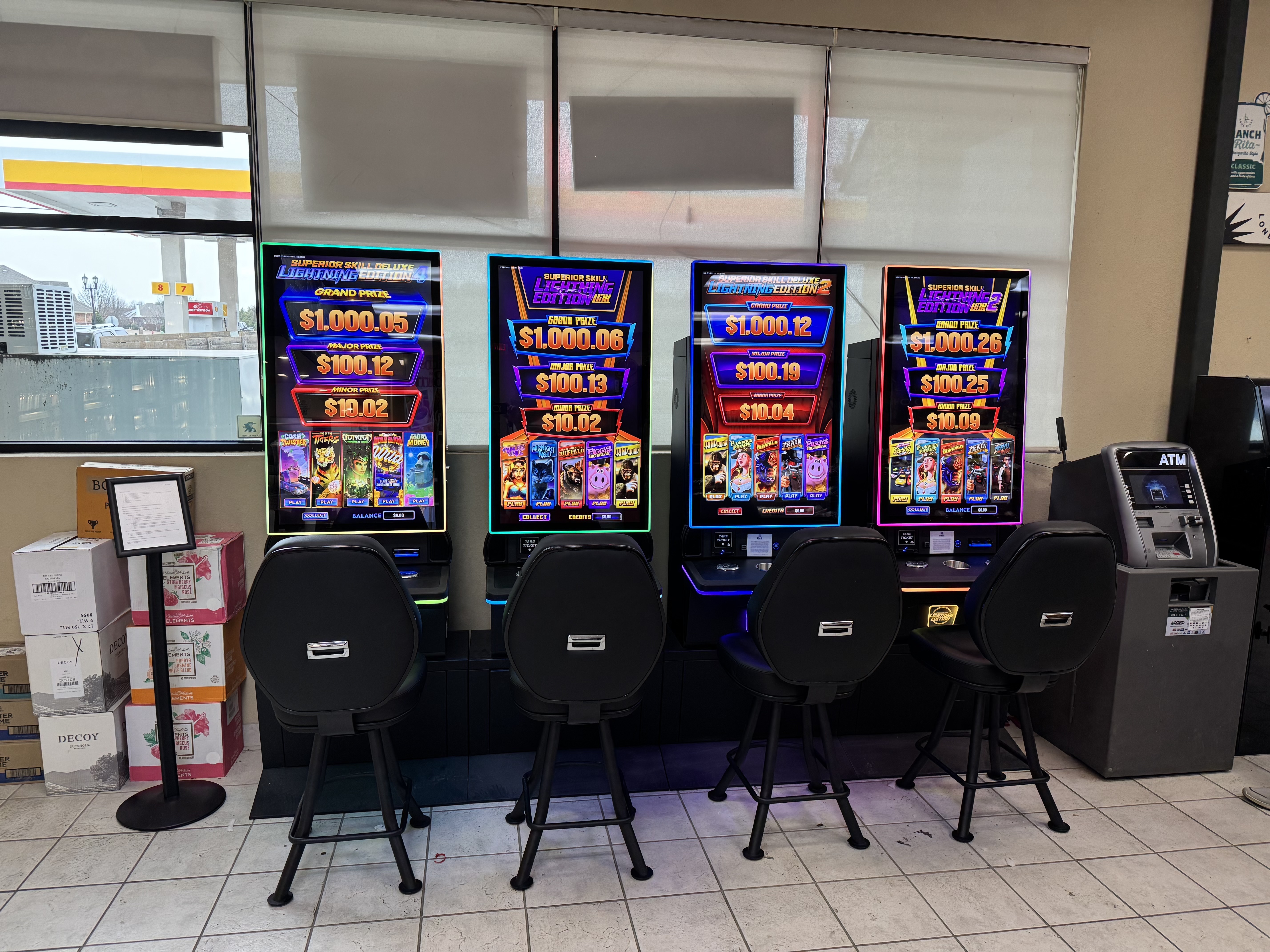
Owner’s Guide to Buying Skill-Based Gaming Machines in Texas
Think buying more machines equals more profits? Not quite.
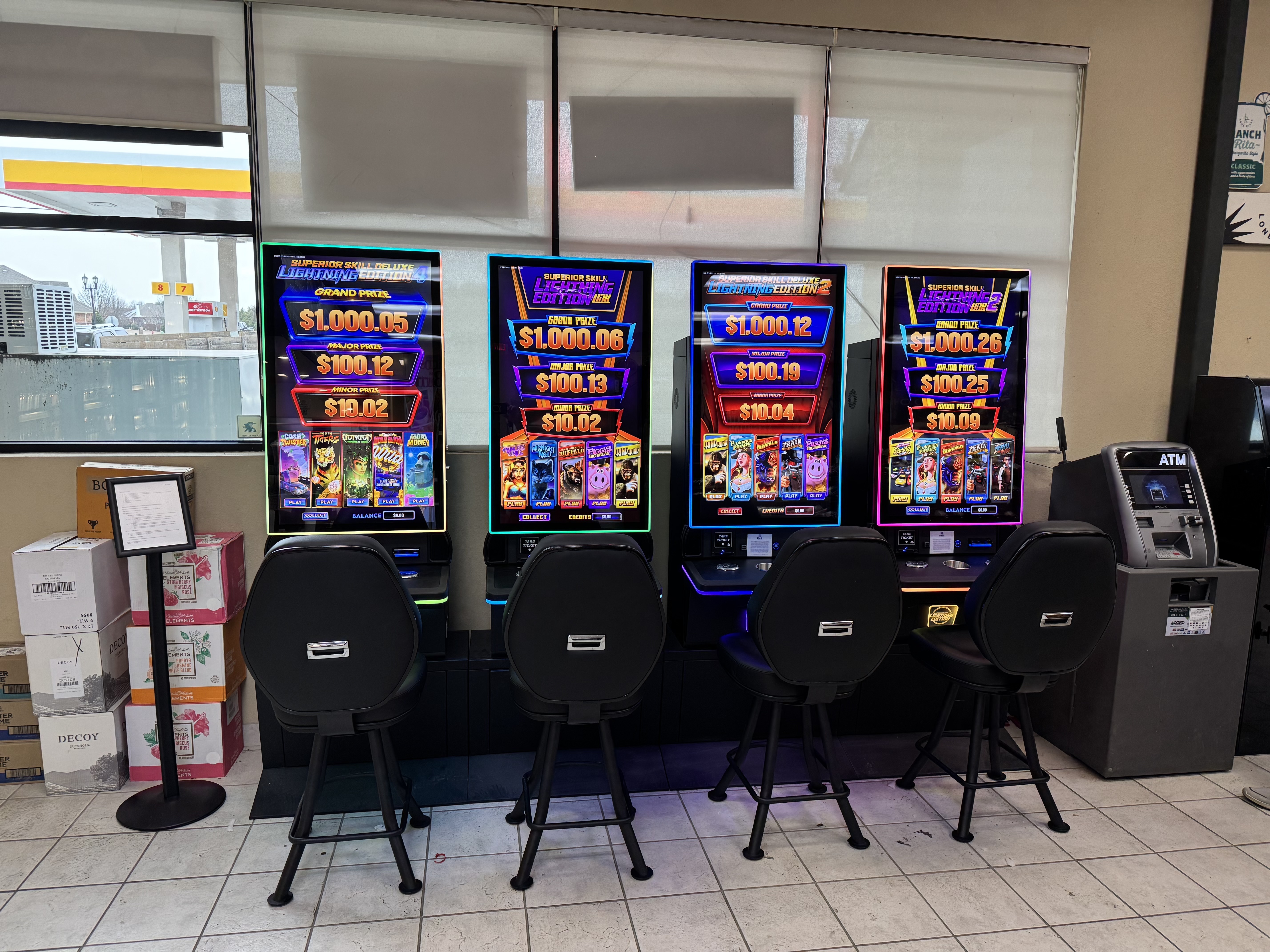
How Age Impacts Player Behavior in Skill-Based Games
The landscape of skill games in Texas has undergone a dramatic transformation. Read to know more.
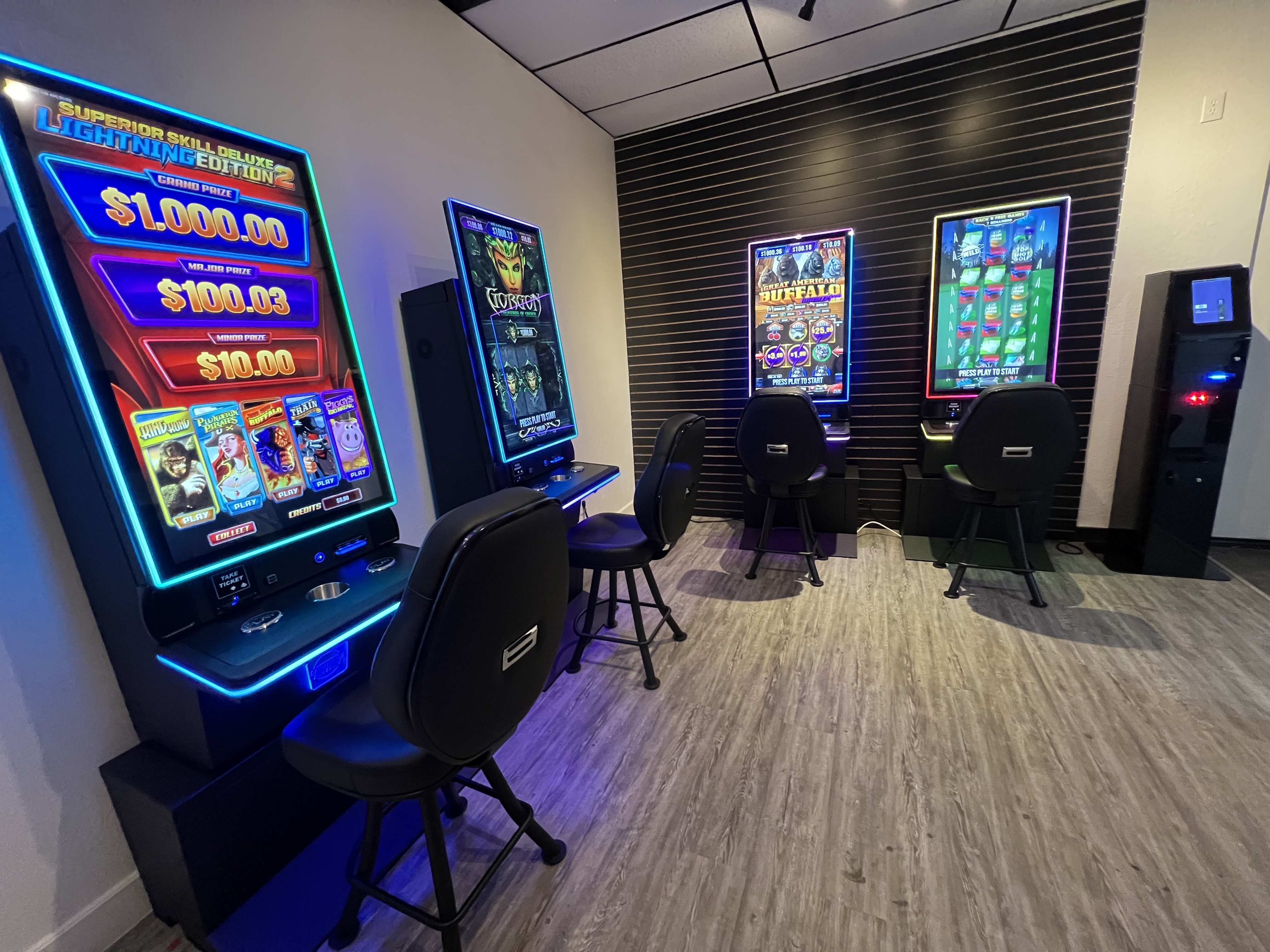
Skill-Based Gaming in Texas: A Rising Opportunity for Businesses
Gaming landscape is evolving, and skill-based gaming is leading, especially in states like Texas.
Skill Games vs. Slot Machines: A Comprehensive Comparison
Among the most popular are skill games & slot machines. But how do these two types of games differ?
Role of Video Gaming Terminal Operators and Why They Matter
This lucrative industry is driven by machines and often-overlooked work of VGT operators.
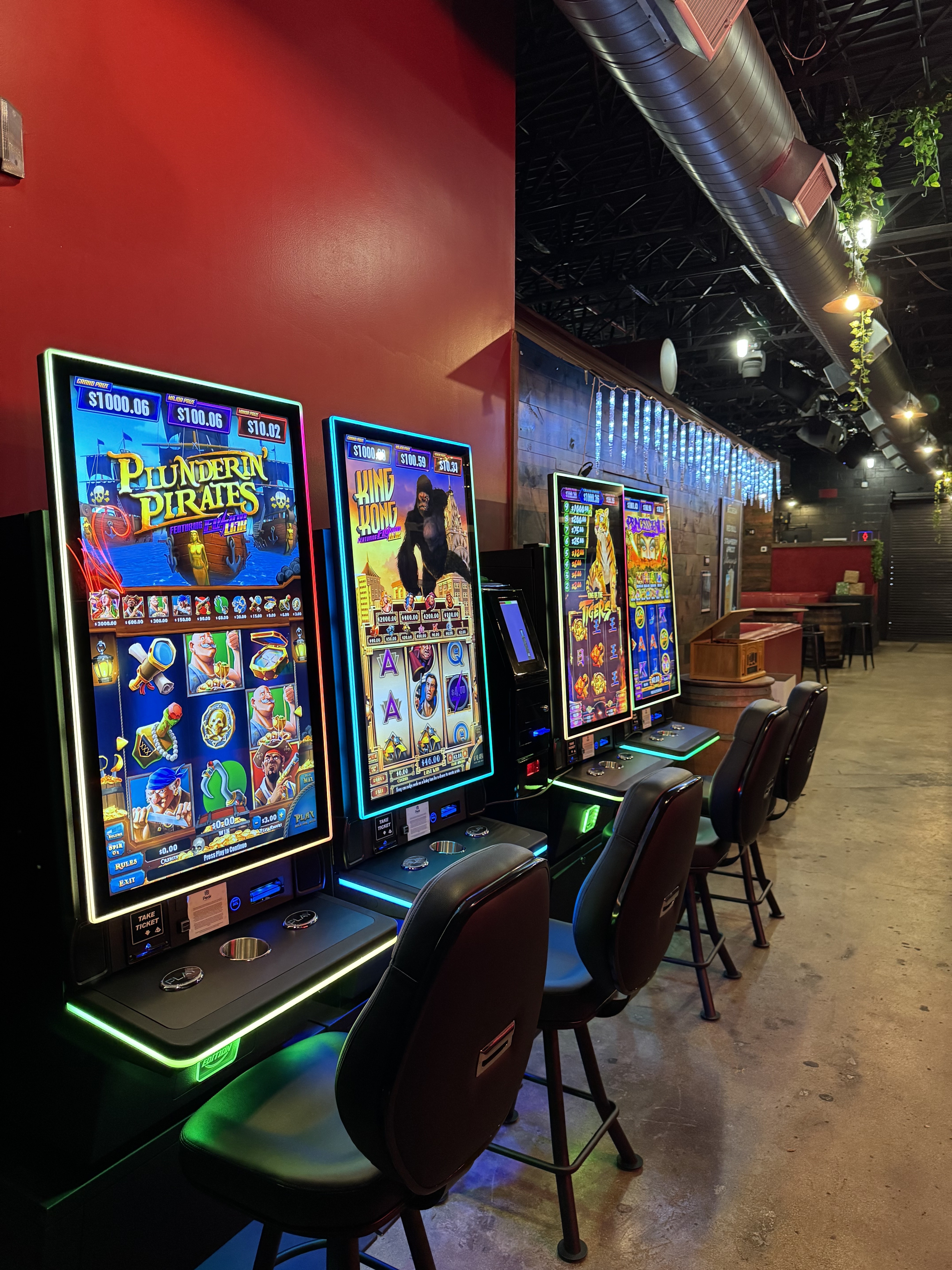
Skill-Based Gaming: Growing Trend in Gaming
Skill-based gaming is creating a new wave of interactive entertainment.
Ready to partner with us?

Contact
(+1) 855-484-1400
contact@peakentertainment.com
sales@peakentertainment.com
Follow us


Peak Entertainment © All Rights Reserved • Terms of Use • Privacy Policy