
Gaming Equipment Basics: Essential Terms for Texas Owners
Author
September 26, 2025
When you're exploring skill-based gaming opportunities for your business, industry terminology can feel overwhelming. You hear vendors mention "8-liners," "VGTs," and "RTS systems," but what do these terms actually mean for your operation? Understanding these core definitions helps you make informed decisions, communicate effectively with vendors, and ensure your business stays compliant with local regulations.
This focused glossary covers the 15 most essential gaming terms you'll encounter as a Texas business owner. Master these definitions, and you'll navigate vendor conversations and regulatory discussions with complete confidence.
Core Equipment Types You Must Understand
8-Liner Machines
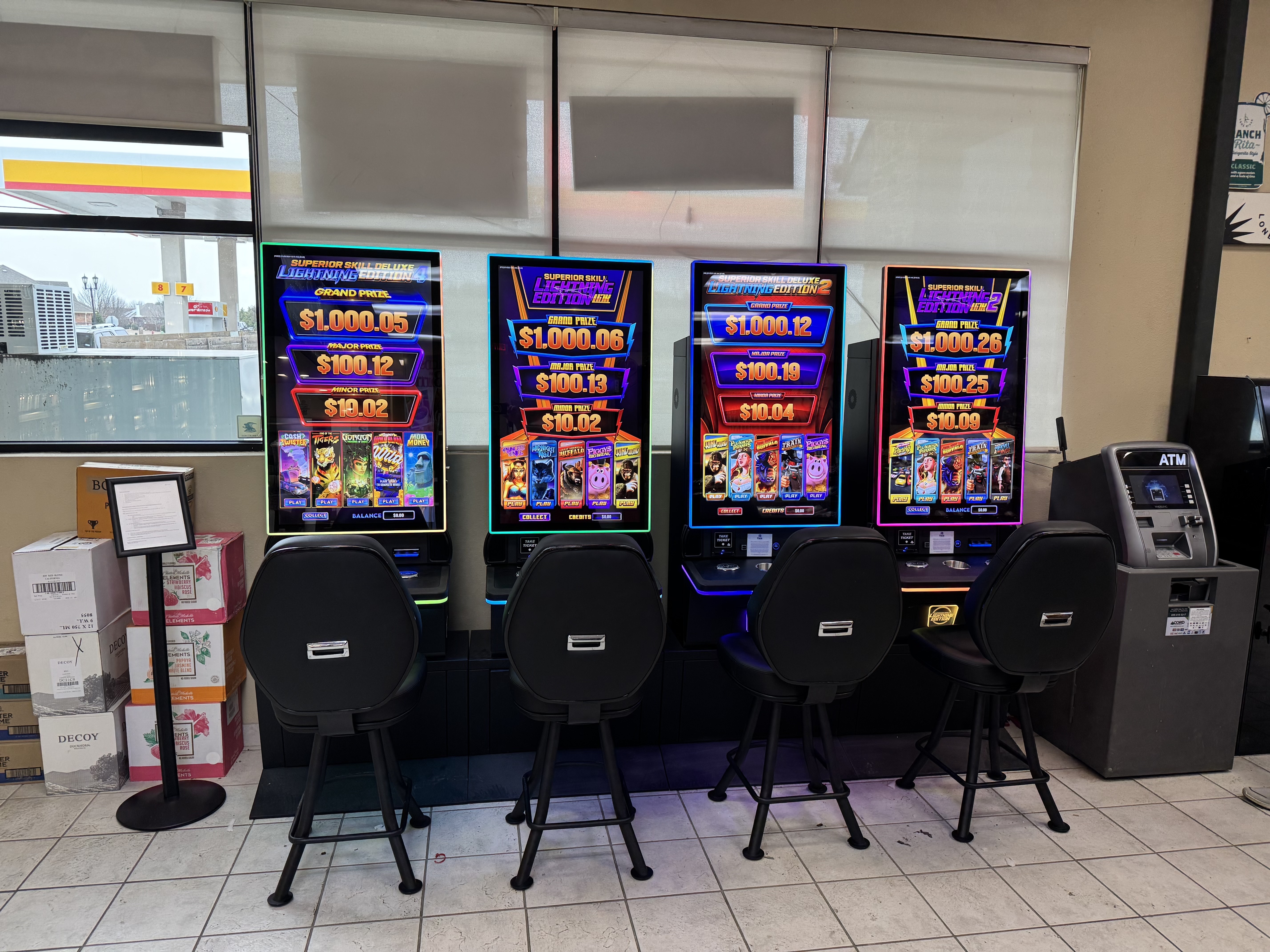
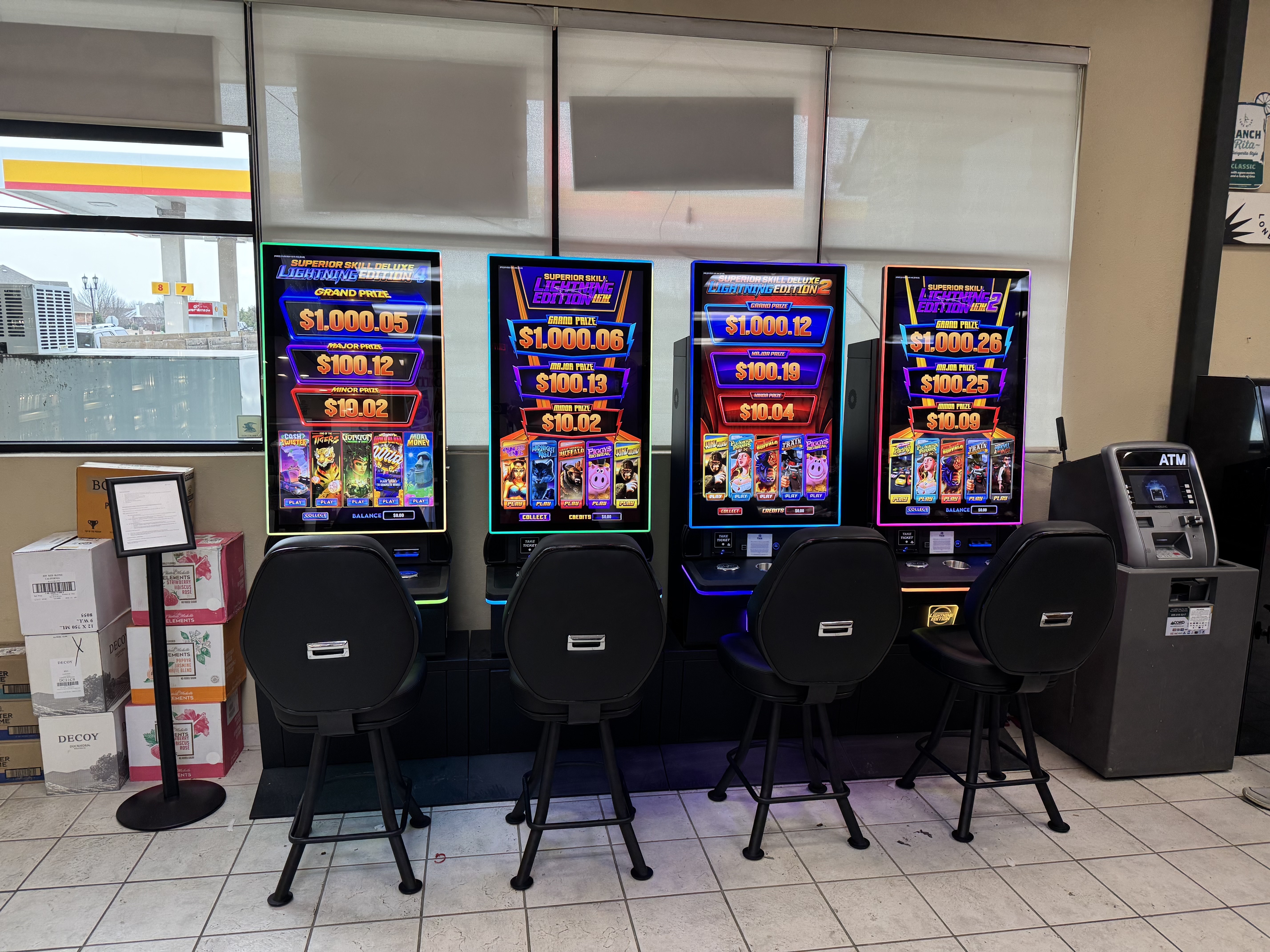
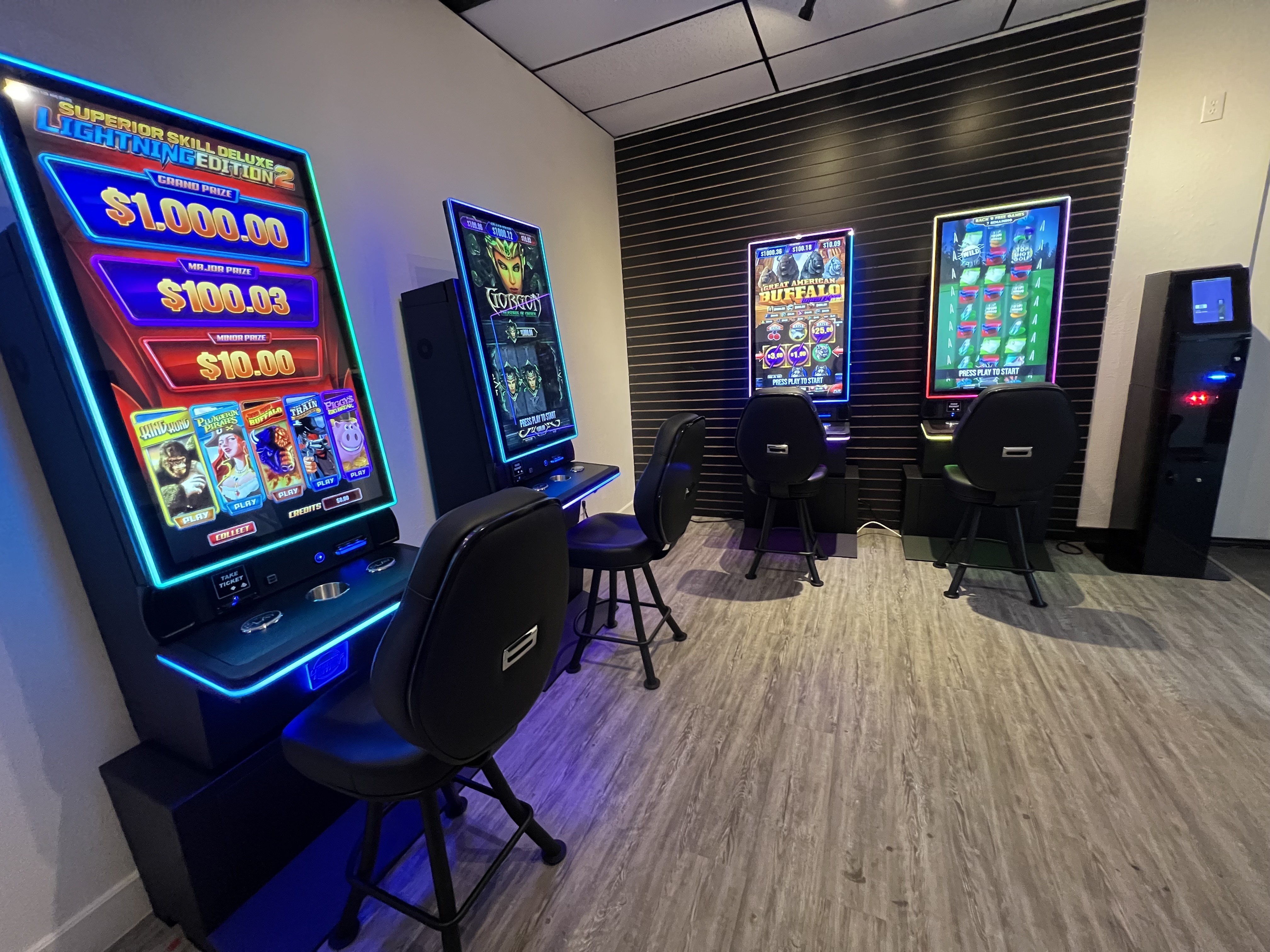
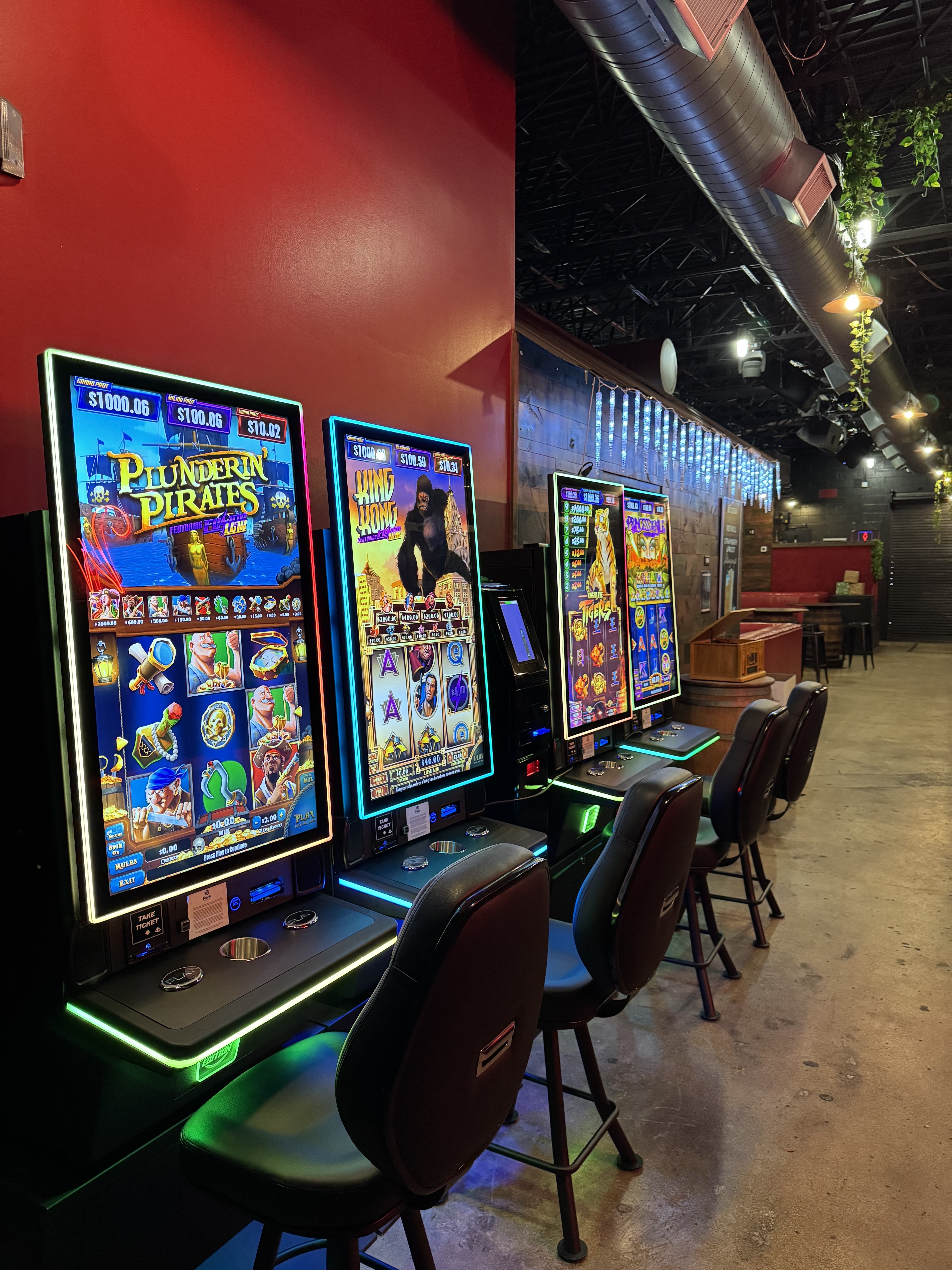
8-liner machines are skill-based entertainment systems featuring eight lines of play where your customers' timing and decision-making determine outcomes. When vendors discuss 8-liner games, they're referring to equipment that requires player skill rather than chance. These machines prove skill-based operation by showing experienced players consistently achieve better results than beginners.
Video Gaming Terminals (VGTs)
A video gaming terminal processes player inputs through digital interfaces, where skill determines success. When you're evaluating VGT machines, you're looking at electronic systems that reward customer ability through sophisticated performance tracking. These terminals must demonstrate that player decisions drive outcomes rather than random chance.
Redemption Terminal Systems (RTS)
RTS machines convert demonstrated customer skill into redeemable credits or prizes for your business. These systems track performance and award redemption value based on skill levels rather than luck. These terminals help you offer compelling customer experiences while maintaining compliance with local regulations.
Skill Games vs Chance Games
Skill-based gaming equipment requires that the user’s ability represent the predominant factor in determining outcomes. Player skill encompasses timing, strategy, and decision-making that improve with practice. Your equipment must prove that experienced customers achieve consistently better results than novices.
Chance games rely on random outcomes where customer skill cannot influence results. Understanding this distinction is crucial because Texas regulations treat these categories completely differently.
Sweepstakes Machines
Sweepstakes machines operate under promotional frameworks, but you must understand sweepstakes vs gambling distinctions. These systems require careful evaluation to ensure they meet skill-based requirements in your municipality.
Redemption Games
Redemption games convert customer skill into redeemable prizes while maintaining non-cash structures required by most Texas municipalities. These systems track customer performance and award prizes based on demonstrated ability rather than chance outcomes.
Essential Regulatory Terms
Gaming License Texas
Gaming license Texas requirements vary significantly by municipality, affecting your operational costs and compliance obligations. Each city and county maintains discretion over licensing requirements, making local consultation essential before equipment installation.
Machine Operator vs Location Owner
As a machine operator, you place and manage equipment in various locations, requiring specific operational permits. As a location owner, you provide space for gaming equipment, typically needing location permits from your municipality. Understanding which role you're taking affects your licensing and compliance requirements.
Municipal Compliance
Municipal compliance means adhering to your specific city's requirements, which vary dramatically across Texas. State regulations provide overarching frameworks, but local authorities maintain significant discretion over gaming equipment regulation. Always verify requirements with your local city and county before proceeding.
Predominant Factor Test
The predominant factor test decides whether your equipment qualifies as skill-based or chance-based. Regulatory authorities evaluate whether customer skill or random chance primarily drives outcomes. This classification affects your licensing, operational requirements, and legal status.
Critical Business Terms
Revenue Sharing
Revenue-sharing agreements with equipment providers determine how profits are split between you and operators. These arrangements affect your cash flow, operational responsibilities, and long-term profitability. Understanding different revenue-sharing models helps you negotiate better partnerships.
Lease Agreements
Lease agreements establish equipment placement terms, maintenance responsibilities, and compliance obligations for your location. These contracts define your financial commitments, operational duties, and legal responsibilities throughout the partnership.
Compliance Monitoring
Compliance monitoring systems track your equipment performance and regulatory adherence. Many municipalities require ongoing verification that your gaming systems maintain skill-based operation and proper documentation. Understanding these requirements prevents costly compliance issues.
Supporting Services You Need
Equipment Financing
Equipment financing options provide funding solutions for acquiring gaming systems. Understanding available financing options helps you manage cash flow while building profitable gaming operations.
Installation and Support Services
Installation services ensure proper equipment setup and initial compliance verification. Technical support maintains equipment reliability and addresses operational issues that could affect your customer experience and regulatory compliance.
Final Word
This essential terminology foundation prepares you for informed conversations with vendors, regulators, and industry partners. When you understand these core definitions, you can evaluate opportunities confidently, ask the right questions, and make decisions that protect your business interests.
The gaming industry uses precise terminology where small distinctions carry significant regulatory and financial implications. Mastering these 15 essential terms ensures you communicate effectively, avoid costly misunderstandings, and build successful operations within your local regulatory framework.
Ready to explore skill-based gaming opportunities for your business? Armed with this core terminology knowledge, you can engage with experienced providers who will help you select appropriate equipment, navigate compliance requirements, and build profitable operations that serve your customers while meeting all regulatory obligations.
Frequently Asked Questions
-
What licenses do I need for gaming equipment?
License requirements depend entirely on your municipality. You'll typically need permits as a location owner, while your equipment provider handles machine operator licensing. Contact your local city or county authorities first to understand specific requirements for your area.
-
How do I know if equipment is skill-based versus chance-based?
Skill-based gaming equipment must prove that player skill is the predominant factor in outcomes. Look for documentation showing experienced customers consistently outperform beginners, and verify that random elements play minimal roles in determining results.
-
What's the difference between 8-liners and VGTs?
8-liner machines feature eight lines of play with skill-based outcomes, while VGT machines are electronic terminals with digital interfaces. Both require skill-based operation, but they use different technologies and may have different regulatory classifications in your municipality.
-
Are sweepstakes machines legal in Texas?
Sweepstakes machines legality depends on your specific municipality and whether they meet skill-based gaming requirements. Sweepstakes vs gambling distinctions require careful evaluation with local authorities before installation.
-
What is revenue sharing in gaming operations?
Revenue sharing means you and your equipment provider split profits according to predetermined percentages. These arrangements affect your income potential and operational responsibilities, so understanding different models helps you negotiate better partnerships.
-
Do I need special compliance monitoring?
Compliance monitoring requirements vary by municipality, but many areas require ongoing documentation proving your equipment maintains skill-based operation. Understanding these obligations prevents regulatory issues and protects your business investment.
More Into
Announcements








Ready to partner with us?

