Seating for Success: How Bar Stool Comfort Drives Sales
Admin
March 24, 2026
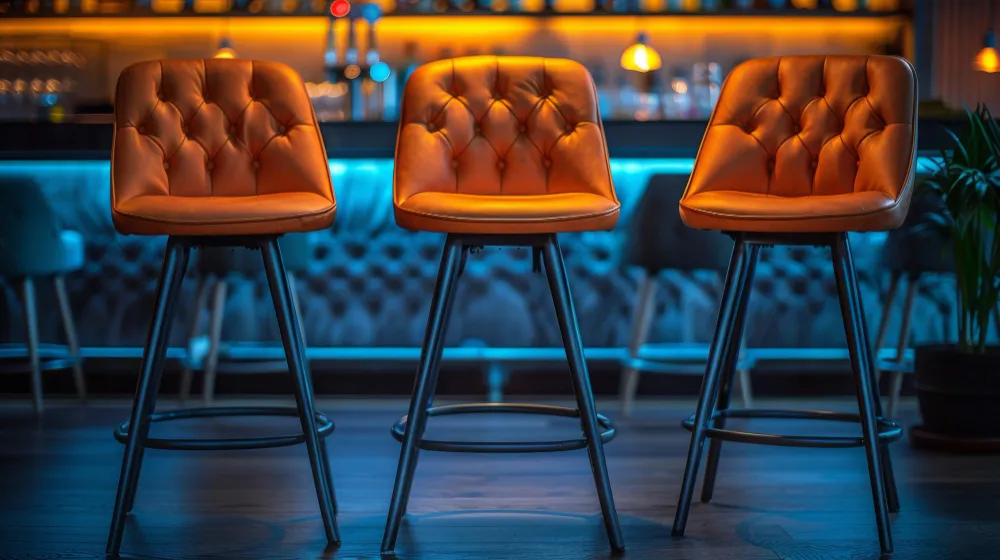
A bar stool is the only piece of equipment in your building that can simultaneously speed up a tab or kill a customer’s night. For the independent Texas owner, bar stool comfort is not a luxury or a design afterthought; it is a critical revenue lever. If your seating is uncomfortable, you are essentially installing a fast-forward button on your guest’s departure. In a market where independent venues must compete with massive chains, your physical environment, specifically where your guests park themselves, dictates whether they stay for one quick round or anchor in for an entire evening of entertainment.
Pressed for time? Here’s the gist:
- Comfort is Currency: High-quality seating with back support can increase dwell time by over 40%.
- The "Anchor" Effect: Guests seek physical security (backs to walls) to feel comfortable staying longer.
- Social Movement: Swivel stools encourage social scanning, leading to higher engagement with amenities.
- Revenue Mapping: Aligning comfortable seating with high-margin areas like skill-game cabinets boosts ROI.
- Durability Matters: Texas humidity requires commercial-grade materials to avoid a "tired" venue look.
Why "Good Enough" Seating is Killing Your Profit Margins
Many operators view furniture as a sunk cost, choosing the most affordable backless metal stools available. This is a strategic error. In the Texas hospitality landscape, where the "ice house" and neighborhood tavern cultures thrive, "turnover" is often a myth for small business owners. You aren't a fast-food joint; you are a destination. Every time a guest stands up because their lower back aches or their legs are dangling without a footrest, you lose potential revenue.
When a guest feels physical fatigue, their "hospitality psychology" shifts from relaxation to exit-planning. By prioritizing bar stool comfort, you remove the physical barriers to consumption. A comfortable guest is a staying guest, and a staying guest is a spending guest.
The Anatomy of High-Retention Bar Stool Ergonomics
Maximizing customer dwell time requires an understanding of how the human body reacts to commercial furniture. It isn't just about padding; it's about engineering.
The Backrest Factor: Lumbar Support as a Retention Tool
The difference between a 30-minute stay and a 3-hour session often comes down to a few inches of wood or padding. Stools with back support allow guests to shift their center of gravity backward, relaxing the core muscles. This physical ease is the baseline for improving customer experience. When the body is supported, the mind is free to engage with the environment, friends, and on-site entertainment.
The Swivel Effect: Encouraging Discovery
Static stools lock a guest into a single field of vision, usually the back of the bar. Swivel bar stools, however, allow for "social scanning." This minor mechanical feature encourages guests to look around the room, notice other patrons, and discover secondary revenue streams like your Texas skill machines. 360-degree movement makes the venue feel more dynamic and less restrictive.
Footrest Precision: Solving "Dangling Leg Syndrome"
Ergonomics experts agree that a footrest positioned 10 to 12 inches below the seat is the "gold standard." Without proper foot support, the weight of the legs pulls on the lower back, causing discomfort within fifteen minutes. If you want to increase dwell time, ensure your stools have integrated, scuff-resistant footrests that accommodate various heights.
Designing for the "Anchor Effect" and Layout Optimization
Humans are biologically programmed to seek "Prospect and Refuge." We want a clear view of the room (prospect) while having our backs protected (refuge). This is why corner seats and wall-adjacent booths are always the first to fill up.
Strategic bar seating layout involves creating these "anchor spots" throughout your floor plan. Avoid placing stools in high-traffic "collision zones" where servers or other guests constantly brush past. Instead, use your layout optimization to create pockets of privacy.
Pro-Tip: Position your most comfortable, high-back stools near your Texas-certified skill games. By creating a "lounge-style" environment around these machines, you facilitate a mental "flow state" where the player is focused on the game rather than their physical discomfort.
Maintenance and the Texas Climate: Choosing Materials That Last
Texas owners face a unique challenge: the heat and humidity can turn cheap upholstery into a sticky, peeling mess. When selecting comfortable bar seating, prioritize "performance materials."
- Breathable Fabrics: Avoid cheap vinyl that traps heat. High-grade, treated commercial fabrics or top-grain leathers offer better thermal regulation.
- Wipe-Down Efficiency: In a high-traffic tavern, maintenance must be simple. Choose materials with a high Wyzenbeek rating (50,000+ double rubs) that can withstand daily sanitization without losing their luster.
- Frame Stability: A wobbling stool is a liability. For a small bar design, fully welded metal frames or solid hardwoods like European beech offer the best lifecycle ROI.
Putting It Together: The ROI of a Seating Audit
If improving customer retention is your goal, start with a "seat-time test." Sit in every stool in your venue for twenty minutes. If you feel the urge to stand up before your "drink" is finished, your furniture is costing you money.
Upgrading your seating doesn't always require a total remodel. Even incremental changes, like adding cushions to existing frames or replacing a few "quick-exit" stools with premium, high-back options, can have a measurable impact on your average check size.
At Peak Entertainment, we understand that the physical environment is the foundation of a profitable venue. Our experienced gaming terminal maintenance and marketing support are designed to work in harmony with a well-planned space. When you pair a high-comfort environment with compelling in-person entertainment, you create a "sticky" venue that guests return to time and again.
Your Partner in Success
Maximizing your venue’s potential requires more than just great drinks; it requires a strategic partner who understands the nuances of the Texas hospitality market. From machine installation to long-term revenue-sharing skill game models, Peak Entertainment helps independent owners transform their floor plans into high-performance revenue engines. If you're ready to see how optimized seating and compliant entertainment can impact your bottom line, contact us for a consultation today.
Frequently Asked Questions
1. How does bar stool comfort directly impact my revenue?
Comfortable seating increases "dwell time." When guests are physically at ease, they are more likely to order a second round of drinks or engage with on-site amenities, directly increasing the average transaction value.
2. What is the ideal height for a commercial bar stool?
For a standard 42-inch bar top, you should choose stools with a 30-inch seat height. The goal is to maintain 10 to 12 inches of clearance between the seat and the underside of the bar for optimal legroom.
3. Are backless stools ever a good idea for a neighborhood bar?
Backless stools are best suited for high-turnover areas or very tight spaces where you need to tuck the stools under the counter. However, for a neighborhood spot where you want guests to linger, stools with back support are significantly more effective at driving revenue.
4. What are the best materials for Texas bars?
Given the climate, look for breathable upholstery and frames made of powder-coated steel or solid hardwoods. Avoid residential-grade materials that may warp or peel due to humidity and heavy cleaning.
5. How should I arrange seating near my skill-game machines?
Create a "zone" of comfort. Use swivel stools with high backs and padded seats to allow players to stay engaged for longer periods without physical strain. Ensure there is enough space between stools to provide a sense of privacy.
6. Can seating layout affect my staff's efficiency?
Absolutely. A poor bar seating layout creates bottlenecks. Ensure there are at least 42 to 48 inches of clearance in main walkways so your staff can move quickly without disturbing seated guests.
More Into
Announcements
Adult Easter Strategy: How Texas Bars Can Own Saturday Night
The biggest threat to =Saturday night isn't the holiday itself, it's the "business as usual" mindset
Ready to partner with us?

Contact
(+1) 855-484-1400
contact@peakentertainment.com
sales@peakentertainment.com
Follow us


Peak Entertainment © All Rights Reserved • Terms of Use • Privacy Policy